The right stand keeps your instrument secure, accessible, and ready to play between songs, set changes, and rehearsals. For live performers, stability matters just as much as portability.
We selected 10 stands for different instruments and performance setups, from folding guitar tripods to dedicated brass, orchestral, handpan, wind, and accordion holders.
Best 10 Instrument Stands for Live Performances Picks for 2026
Compact Folk Instrument Stand

- Folding, lightweight design
- Rubber foam contact points
- 5-pound load capacity
Best For: Portable folk-instrument support
Adjustable Guitar Stand
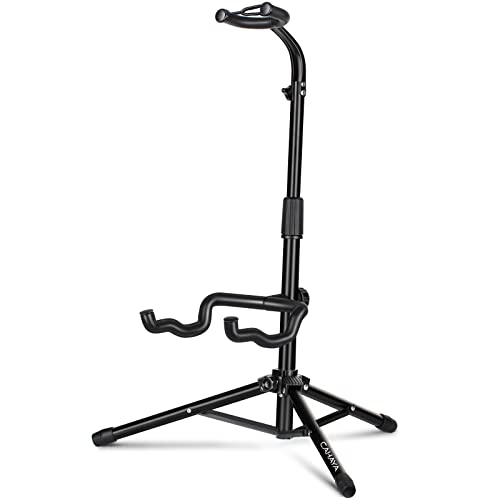
- 30.7–37-inch height range
- Padded, reinforced cradle
- Folds flat for transport
Best For: Versatile guitar and string-instrument setups
Flugelhorn Bell Stand

- Five-leg stable base
- Legs store inside the bell
- Protective rubber and felt contact
Best For: Portable flugelhorn support between sets
Heavy-Duty Orchestra Stand
Hercules DS538B Multi Orchestral

- 44-pound load capacity
- Adjustable backrest
- Locking, folding yoke
Best For: Large orchestral instruments and sturdy stage support
Portable Percussion Pick
Adjustable Wooden Handpan Stand

- Fits 12- to 22-inch handpans and tongue drums
- Foldable tripod design with padded support
- Solid wood construction and adjustable rope
Best For: Portable handpan and steel tongue drum setups
Large Brass Instrument Stand
Hercules Tuba/Euphonium Performance Stand

- Dedicated tuba and euphonium design
- Adjustable height and removable instrument pad
- Foldable legs with a 55.1-pound listed capacity
Best For: Tuba and euphonium performance setups
Everyday Guitar Stand
Amazon Basics Foldable Guitar Stand

- Fits most acoustic, electric, and bass guitars
- Foldable and lightweight for transport
- Padded support with adjustable height and tripod feet
Best For: Standard guitars and banjos at temporary setups
Compact Wind Instrument Support
Folding Digital Wind Instrument Stand

- Made for electric and digital wind instruments
- Steady foldable tripod base
- Rust-resistant metal construction
Best For: Digital wind players needing portable stage support
Versatile Guitar Stage Stand
Adjustable Folding A-Frame Guitar Stand

- Fits acoustic and electric guitars
- Three adjustable width settings
- Padded, foldable, and fully assembled
Best For: Guitarists needing portable stage and storage support
Adjustable Accordion Access
Nomad Music Accordion Performance Stand

- Fits diatonic accordions
- Six height options from 16.5 to 23.75 inches
- Collapsible aluminum and rubber design
Best For: Accordion players needing adjustable live-performance access
Compact Folk Instrument Stand – Hercules GS303B TravLite
For musicians comparing instrument stands for live performances, the Hercules GS303B is a lightweight, folding option designed for folk instruments. Its rubber foam contact points and non-slip pads help keep the instrument supported while the compact design makes transport straightforward.
Best For: Folk-instrument players who need a portable stand for rehearsals, sets, and compact stage setups.
Pros:
- Folding design is convenient for storage and transport.
- Rubber foam contact points help protect the instrument.
- Non-slip rubber pads support stability on the floor.
- Lightweight 1.9-pound alloy-steel construction.
Cons:
- Five-pound load capacity limits it to lighter instruments.
- Designed for folk instruments rather than broad multi-instrument use.
Choose this Hercules stand when portability and gentle instrument contact matter more than high weight capacity or extensive adjustability.
Adjustable Guitar Stand – CAHAYA Folding Tripod Holder
Among instrument stands for live performances, the CAHAYA folding tripod stands out for adjustable height and broad compatibility. Its reinforced metal structure, padded contact points, and folding format make it suitable for transporting between practice spaces, venues, and events.
Best For: Guitarists and string players needing an adjustable stand for acoustic, electric, bass, banjo, mandolin, or V-shaped guitars.
Pros:
- Height adjusts from 30.7 to 37 inches.
- Thick sponge padding helps protect instrument contact areas.
- Tripod base uses extended legs and anti-slip rubber feet.
- Folds flat for transportation and storage.
Cons:
- Its larger dimensions may take more room than compact stands.
- Height adjustment and setup add more components to manage.
This is a flexible choice for performers who share one stand among several string instruments and want adjustable positioning onstage.
Flugelhorn Bell Stand – K&M 15240 Professional Stand
For brass players seeking instrument stands for live performances, the K&M 15240 provides a specialized flugelhorn solution. The detachable five-leg base supports the instrument between sets, while the folded legs store inside the bell for compact transport.
Best For: Flugelhorn players who want a compact, protective stand that fits conveniently in an instrument case.
Pros:
- Folding legs store in the flugelhorn bell for portability.
- Five-leg base provides a stable resting platform.
- Rubber peg tip and felt pads help protect the finish.
- Made in Germany with a three-year repair-or-replacement warranty.
Cons:
- Designed specifically for flugelhorns, not general instrument use.
- Three-and-a-half-pound load capacity is relatively limited.
This purpose-built K&M stand is especially practical when case space is limited and protecting a flugelhorn between performance passages is a priority.
Heavy-Duty Orchestra Stand – Hercules DS538B Multi Orchestral
For larger instruments and demanding instrument stands for live performances, the Hercules DS538B offers a sturdy multi-orchestral platform. Its locking folding yoke, adjustable backrest, and 44-pound load capacity are built to provide secure support while the stand is in use.
Best For: Orchestral musicians who need a high-capacity stand with adjustable support and a locking fold mechanism.
Pros:
- Supports up to 44 pounds.
- Adjustable backrest helps support the instrument safely.
- Locking pin secures the upper yoke in position.
- Locking mechanism allows the stand to fold for transport.
Cons:
- At 4.7 pounds, it is heavier than minimalist stands.
- Its 15.6-inch height may not suit every instrument or playing setup.
The DS538B is the sensible pick when load capacity and locking support are more important than achieving the smallest possible stage footprint.
Portable Percussion Pick – Adjustable Wooden Handpan Stand
For musicians comparing instrument stands for live performances, this foldable wooden tripod stand offers adjustable support for 12- to 22-inch handpans and steel tongue drums. Its padded holder and compact design suit rehearsals, outdoor sessions, and stage setups.
Best For: Handpan and steel tongue drum players who need a portable, adjustable stand.
Pros:
- Triangular tripod structure provides stable support.
- Solid wood construction with stainless steel hardware.
- Adjustable rope and sponge pads accommodate different instrument sizes.
- Folds for storage and transport.
Cons:
- Designed specifically for compatible handpans and steel tongue drums.
- Fit and stability should be checked before playing.
- Unfinished wood may require more care than a coated stand.
This is a practical choice when portability and a natural wooden appearance matter. Confirm your instrument’s size and the stand’s opening configuration before a performance.
Large Brass Instrument Stand – Hercules Tuba/Euphonium Performance Stand
Among instrument stands for live performances, the Hercules DS553B is built for tuba and euphonium players who need a dedicated performance stand. It combines adjustable height, a removable instrument pad, and foldable legs for practical setup and transport.
Best For: Tuba and euphonium players seeking a dedicated, height-adjustable performance stand.
Pros:
- Designed specifically for tuba and euphonium.
- Adjustable height helps tailor the playing setup.
- Removable instrument pad adds setup flexibility.
- Foldable legs simplify storage and transport.
Cons:
- Its 5.2-pound weight is less lightweight than compact stands.
- It is specialized rather than suitable for multiple instrument types.
- Proper placement is important despite the listed 55.1-pound load capacity.
With its dedicated design and substantial stated load capacity, this stand is a focused solution for large brass instruments. It makes the most sense for performers who value adjustability over universal compatibility.
Everyday Guitar Stand – Amazon Basics Foldable Guitar Stand
For guitarists shopping for instrument stands for live performances, this Amazon Basics model provides a lightweight, foldable option for acoustic, electric, and bass guitars, plus banjos. Its padded contact points, adjustable height, and tripod base are suited to temporary setups on flat surfaces.
Best For: Guitarists and banjo players who need a portable stand for practice, rehearsals, or temporary performance setups.
Pros:
- Supports most acoustic, electric, and bass guitars and similar instruments.
- Foldable, lightweight design is easy to transport and store.
- Adjustable height includes a friction knob for securing the upper yoke.
- Rubber padding and anti-slip feet help protect the instrument.
Cons:
- Not recommended for oversized or unusually shaped instruments.
- Intended for flat, even surfaces rather than heavy-duty permanent use.
- Legs and adjustment knob must be fully positioned and tightened for stability.
This stand is a sensible everyday option when portability and broad standard-guitar compatibility are priorities. Check the body shape, extend all legs, and tighten the height adjustment before placing an instrument onstage.
Compact Wind Instrument Support – Folding Digital Wind Instrument Stand
For musicians comparing instrument stands for live performances, this folding tripod is tailored to electric and digital wind instruments, including aerophones. Its metal construction, triangular base, and portable design make it a practical choice for stage setups, rehearsals, and transport.
Best For: Digital wind instrument players who need a compact, foldable stand for gigs and practice.
Pros:
- Designed for electric and digital wind instruments.
- Steady three-legged triangular base supports the instrument.
- Metal construction is described as rust-resistant, water-resistant, and durable.
- Folds for easier installation, packing, and carrying.
Cons:
- Its 15.7-inch installed height may not suit every playing or display setup.
- Compatibility is focused on digital and electric wind instruments rather than general instruments.
This is a focused, portable stand rather than an all-purpose model. Choose it when your instrument is a compatible digital wind design and easy transport matters.
Versatile Guitar Stage Stand – Adjustable Folding A-Frame Guitar Stand
Among instrument stands for live performances, this A-frame model is a straightforward option for acoustic and electric guitarists. It arrives fully assembled, offers three width settings, and folds flat for transporting to gigs, rehearsals, or storage.
Best For: Acoustic and electric guitar players who want an adjustable, padded, travel-friendly stand.
Pros:
- Works with most acoustic and electric guitar shapes through three width settings.
- Soft foam arms and backrest help protect the guitar.
- Lightweight metal construction supports up to 10 kilograms.
- Folds flat and includes non-slip rubber feet.
Cons:
- Its A-frame design is intended for guitars, not a broad range of instruments.
- The supplied dimensions may require planning for compact storage or transport.
With no assembly required and useful width adjustment, this stand emphasizes convenience. It is a sensible pick for guitarists who need padded support that can move easily between performance locations.
Adjustable Accordion Access – Nomad Music Accordion Performance Stand
Accordion players looking for instrument stands for live performances can use this adjustable holder to keep the instrument positioned within reach. Six height options, secure L-brackets, and a collapsible design support stage access while making transport to gigs and rehearsals easier.
Best For: Diatonic accordion players who want adjustable playing access for performances and practice.
Pros:
- Designed to fit all diatonic accordions.
- Six height settings range from 16-1/2 to 23-3/4 inches.
- Adjustable L-brackets help keep the accordion securely positioned.
- Collapses for transport and storage; includes a one-year manufacturer warranty.
Cons:
- Compatibility is specifically described for diatonic accordions.
- The stand has one level, so adjustment is provided through bracket height rather than multiple tiers.
This stand is built around access and positioning rather than broad instrument compatibility. Its adjustable height range makes it a practical choice when an accordion player wants a more personalized setup for stage or practice.
How We Picked These Instrument Stands for Live Performances
We focused on stands that suit real-stage demands: dependable support, practical portability, useful adjustability, and designs that make instruments easy to place and retrieve. The selection includes dedicated models for specific instruments as well as versatile stands for guitarists and multi-instrumentalists.
We also considered how each stand fits into a working setup. A compact tripod may be ideal for a small venue or quick changeover, while a heavier or purpose-built stand can offer better support for larger brass instruments, orchestral equipment, or instruments that need a more specialized cradle.
Quick Comparison
| Best For | Stand Types to Consider | What to Prioritize |
|---|---|---|
| Guitarists | Folding tripod or A-frame | Padded contact points, width, quick setup |
| Brass players | Instrument-specific floor stand | Low center of gravity, fit, protective supports |
| Orchestral players | Multi-instrument stand | Capacity, footprint, secure cradles |
| Handpan and accordion players | Adjustable specialty stand | Platform size, height range, playing access |
| Electronic wind players | Folding instrument holder | Compact storage, balance, adjustment |
Key Buying Factors for Instrument Stands for Live Performances
Stability and Weight Capacity
A stand should remain planted when you remove or replace the instrument. Check the base design, leg spread, locking points, and stated compatibility. Larger instruments generally benefit from wider support and a lower center of gravity.
Padding and Contact Protection
Foam or rubber padding helps prevent scratches and reduces sliding. Inspect where the instrument rests, especially on guitar neck supports, brass cradles, and adjustable platforms. Padding should be secure rather than loose or easily compressed.
Portability and Setup Speed
Live performers often move stands between vehicles, stages, and rehearsal rooms. Folding legs, compact dimensions, and low carry weight are valuable, but do not choose a lightweight model if it sacrifices stability for your instrument.
Adjustability and Fit
Height and width adjustment can make a stand more versatile, but every locking mechanism should engage firmly. Verify that the stand fits your instrument type and does not interfere with controls, valves, strings, cases, or playing position.
Who Should Buy Which Instrument Stands for Live Performances?
Guitarists who need an affordable everyday option should look at a padded folding tripod or A-frame design. Players who transport several instruments may prefer a multi-instrument stand that reduces stage clutter. Brass musicians should choose a dedicated model matched to the instrument rather than relying on a generic holder.
Handpan, accordion, and electronic wind players should prioritize specialty stands with a usable height range and an open playing position. If your setup changes frequently, choose the most compact stand that still provides adequate support. For frequent touring, favor durable construction, secure locks, and a design that folds easily without requiring tools.