Dynamic microphones remain the go-to choice for reliable sound in loud rooms, on stage, and in home studios. They are durable, forgiving, and easy to use, which makes them a smart pick for beginners and pros alike.
In this roundup, we focus on the best options for vocals, podcasting, streaming, and instrument capture so you can choose a mic that fits your setup and your budget.
Best 10 Dynamic Microphones Picks for 2026
Legendary Stage Standard
Shure SM58 Pro XLR Dynamic Vocal Microphone

- Warm vocal tuning with subtle midrange lift
- Cardioid pattern helps reduce noise and feedback
- Rugged metal build for stage and studio
Best For: Singers and speakers who want a proven handheld vocal mic
Clean Handheld Voice Pick
Sennheiser XS 1 Handheld Dynamic Microphone

- Cardioid dynamic pickup for focused voice capture
- Includes clip and carrying pouch
- Built-in mute switch for easy live control
Best For: Speech, karaoke, and basic vocal use with XLR gear
Dual-Pack Karaoke Value
Cable Matters 2-Pack Cardioid Dynamic Vocal Microphones

- Two-mic set for shared karaoke or singing
- Cardioid pattern helps reduce background noise
- 15-foot cables and plug-and-play setup
Best For: Casual karaoke, parties, and simple dual-mic setups
Streamer-Friendly Hybrid Pick
FIFINE AmpliGame AM8 USB/XLR Dynamic Microphone

- USB and XLR support for flexible setups
- Cardioid pattern helps reject off-axis noise
- USB mode adds mute, gain, monitoring, and RGB
Best For: Gamers and streamers who want a flexible desktop mic
Broadcast Studio Classic
Shure SM7B Dynamic Vocal Microphone for Podcasting & Streaming
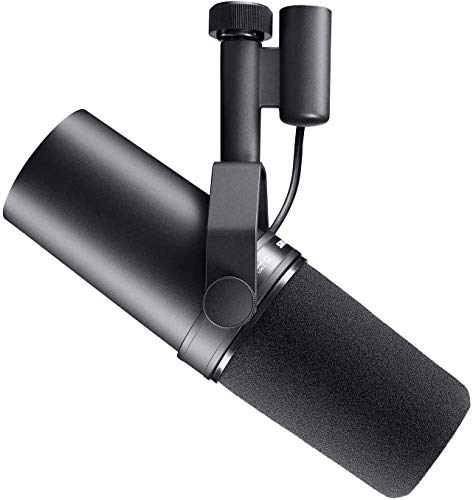
- Warm, balanced vocal tuning
- Cardioid pickup reduces room noise
- Built-in pop filtering and rugged metal build
Best For: Podcasters and studio vocal recording with XLR gear
Podcast Workhorse
RØDE PodMic Cardioid Dynamic Broadcast Microphone, XLR

- Broadcast-tuned capsule for speech
- Internal pop filter and shock mounting
- All-metal body with XLR connection
Best For: Podcast and streaming setups using an XLR interface
Hybrid Creator Mic
Shure MV7+ USB-C & XLR Podcast Dynamic Mic with Stand - Black

- USB-C and XLR connectivity
- Voice isolation with real-time denoiser
- Auto Level Mode and digital pop filter
Best For: Creators who want one mic for USB and XLR
Budget Stage-Ready Dynamic Mic
Pyle PDMIC58 Dynamic Microphone

- Cardioid pickup helps reduce background noise.
- Includes 15-ft XLR cable for immediate use.
- All-metal zinc-alloy build adds durability.
Best For: Budget singers, karaoke, and basic live setups
Instrument Workhorse Dynamic Mic

- Presence boost helps instruments cut through.
- Cardioid pattern reduces background bleed.
- Rugged build suits live and studio work.
Best For: Guitar amps, snare drums, brass, and close-miking instruments
Classic Vocal Dynamic Mic
Shure SM58 Pro with 25-ft Cable

- Tailored vocal response adds warmth and presence.
- Cardioid pickup helps reduce unwanted room noise.
- Includes 25-ft XLR cable and accessories.
Best For: Live vocals, spoken-word, and all-around stage use
Legendary Stage Standard – Shure SM58 Pro XLR Dynamic Vocal Microphone
If you’re comparing dynamic microphones for vocals, the Shure SM58 is the classic choice for live performance, recording, podcasting, and broadcast use. Its cardioid pattern helps keep your voice focused, while the built-in pop protection and rugged build make it a practical option for everyday gigs and sessions.
Best For: Singers, speakers, podcasters, and performers who want a dependable handheld mic with proven vocal tuning.
Pros:
- Finely tuned frequency response with a subtle midrange lift for warm, articulate vocals.
- Cardioid pickup pattern helps minimize background noise and feedback.
- Integrated spherical grille and filter reduce plosives, breath, and wind noise.
- Rugged metal construction is built for touring and professional use.
Cons:
- Requires XLR gear such as an audio interface or mixer.
- Best suited to vocals rather than wide-purpose studio capture.
Overall, this is the safe, familiar pick if you want a dynamic microphone with a long track record and straightforward vocal performance. It leans into durability and clean voice pickup rather than extra features.
Clean Handheld Voice Pick – Sennheiser XS 1 Handheld Dynamic Microphone
When shopping for dynamic microphones, the Sennheiser XS 1 is a straightforward handheld option for speech, singing, karaoke, and general amplified use. Its cardioid pickup pattern focuses on the main voice source, and the included clip and carrying pouch make it easy to transport and set up.
Best For: Users who want a simple XLR handheld mic for speech, karaoke, or basic vocal work.
Pros:
- Cardioid dynamic design helps isolate the voice from surrounding sound.
- Includes a mic clip and carrying pouch for easier setup and storage.
- XLR-3 connection works with mixers, amplifiers, and karaoke systems.
- Built-in mute switch adds convenience for live use.
Cons:
- Needs XLR-compatible equipment to operate.
- Less feature-rich than USB/XLR hybrid microphones.
As a no-frills handheld dynamic microphone, the XS 1 keeps the focus on dependable voice pickup and simple operation. It is a sensible pick if you want an affordable-feeling, practical mic setup without extra complexity.
Dual-Pack Karaoke Value – Cable Matters 2-Pack Cardioid Dynamic Vocal Microphones
If you need dynamic microphones for karaoke or quick voice setups, this Cable Matters 2-pack is built for simple plug-and-play use. Each mic uses a cardioid pattern for clearer vocal focus, and the included 15-foot cables give you enough reach for parties, home setups, and casual live use.
Best For: Buyers who want two wired microphones for karaoke, singing, or easy shared use.
Pros:
- Two microphones included, making it a practical value for pair use.
- Cardioid pickup helps reduce background noise and keep vocals clear.
- 15-foot cables add freedom of movement during performances.
- Simple plug-and-play connection works with standard AUX input setups.
Cons:
- Uses auxiliary-style connectivity rather than XLR.
- Designed more for karaoke and casual singing than pro studio recording.
This pack makes sense when convenience and quantity matter more than studio flexibility. It is a straightforward option for events where you want two ready-to-go vocal mics without extra setup.
Streamer-Friendly Hybrid Pick – FIFINE AmpliGame AM8 USB/XLR Dynamic Microphone
For creators comparing dynamic microphones for gaming and streaming, the FIFINE AmpliGame AM8 stands out because it supports both USB and XLR use. The cardioid dynamic design focuses on your voice, while USB mode adds handy controls like tap-to-mute, monitoring, and RGB lighting for desktop setups.
Best For: Streamers, gamers, and beginner creators who want flexibility between USB convenience and XLR expansion.
Pros:
- USB and XLR connectivity offers flexible setup options.
- Cardioid pickup helps reject off-axis noise for clearer voice capture.
- USB mode includes tap-to-mute, monitoring, gain control, and RGB lighting.
- Compatible with home studio, gaming, and on-the-go use.
Cons:
- XLR cable is not included for XLR operation.
- RGB and several controls only work in USB mode.
The AM8 is a practical choice if you want one mic that can grow with your setup. It gives beginners easy USB operation now, while leaving room to move into XLR gear later.
Broadcast Studio Classic – Shure SM7B Dynamic Vocal Microphone for Podcasting & Streaming
If you want one of the most trusted dynamic microphones for voice work, the Shure SM7B is built around warm, balanced vocal capture with a wide-range frequency response. Its cardioid pickup pattern, air suspension shock isolation, and included windscreen make it a strong fit for recording speech in less-than-perfect rooms.
Best For: Podcasters, streamers, voiceover artists, and studio vocal recording with an XLR setup.
Pros:
- Warm, natural vocal sound with wide-range frequency response
- Cardioid pattern and shock isolation help reduce room noise and vibration
- Built-in pop filtering and detachable windscreen help tame plosives
- Rugged all-metal design with electromagnetic shielding for reliable use
Cons:
- Requires an XLR interface or mixer
- Needs substantial gain for best results, with at least 60dB recommended
- Not a simple plug-and-play USB option
The SM7B is a practical choice if your priority is polished, broadcast-style voice capture and you already have, or plan to use, an interface with enough clean gain. It favors controlled, professional results over convenience features.
Podcast Workhorse – RØDE PodMic Cardioid Dynamic Broadcast Microphone, XLR
The RØDE PodMic is a straightforward dynamic microphone aimed at speech-first recording, with a broadcast-tuned capsule that rejects room noise in untreated spaces. It also includes internal pop protection and shock mounting, which is useful if you want cleaner desk or close-mic voice capture without adding extra accessories.
Best For: Podcast creators and streamers who want an XLR mic with built-in voice-focused protection.
Pros:
- Broadcast-quality dynamic capsule tuned for speech
- Rejects room noise well in untreated spaces
- Internal pop filter and shock mounting reduce plosives and desk thumps
- All-metal build for durable long-term use
Cons:
- Requires an audio interface or mixer with XLR input
- Not a USB microphone
- Designed primarily for speech, not a broad feature set
If you want a no-frills broadcast mic that focuses on voice clarity and practical noise control, the PodMic is an efficient pick. It is especially appealing for podcast and streaming setups built around XLR gear.
Hybrid Creator Mic – Shure MV7+ USB-C & XLR Podcast Dynamic Mic with Stand – Black
The Shure MV7+ is a flexible dynamic microphone for creators who want both USB-C and XLR connectivity in one setup. It combines voice isolation technology, real-time denoising, Auto Level Mode, and a virtual pop filter to help keep recordings clean for podcasting, streaming, and recording.
Best For: Creators who want a dynamic mic that can work in both beginner USB-C and pro XLR setups.
Pros:
- USB-C and XLR connectivity for flexible system compatibility
- Voice Isolation Technology and real-time denoiser help clean up ambient noise
- Auto Level Mode and digital pop filter simplify vocal capture
- LED touch panel with mute control and app-based customization
Cons:
- More feature-heavy than a basic plug-and-play mic
- Touch controls and app features may be more than some users need
- At 3.6 pounds, it is a substantial desktop mic setup
The MV7+ stands out if you want a modern dynamic microphone that adapts as your setup changes. It is a strong choice for creators who value clean audio, onboard control, and the option to move between USB-C and XLR.
Budget Stage-Ready Dynamic Mic – Pyle PDMIC58 Dynamic Microphone
If you want one of the more affordable dynamic microphones for stage or basic studio use, this Pyle handheld model covers the essentials well. It uses a cardioid, unidirectional pickup to help reduce background noise and feedback, and it comes ready to plug in with a 15-foot XLR cable.
Best For: Budget-conscious singers, karaoke setups, and simple live or home recording rigs.
Pros:
- Cardioid pattern helps isolate the main sound source and cut down on unwanted noise.
- Rugged zinc-alloy and metal construction is built for regular use.
- Built-in pop filter and steel mesh windscreen help reduce breath and plosive sounds.
- Includes a 15-ft XLR cable and needs no batteries or external power.
Cons:
- Lower sensitivity and 600-ohm impedance may not suit every setup equally well.
- Frequency range is more limited than higher-end vocal microphones.
Overall, this is a practical entry-level option if you need a dynamic microphone that is simple to use and durable enough for stage or practice. It focuses on reliability and convenience rather than premium detail, which is exactly what many first-time buyers need.
Instrument Workhorse Dynamic Mic – Shure SM57 Pro XLR
Among dynamic microphones for instruments, the Shure SM57 is a classic choice for close-miking amps, drums, brass, and other sources that need clear attack and detail. Its contoured frequency response and cardioid pattern are designed to keep the sound focused while reducing bleed in busy live or studio sessions.
Best For: Guitar cabinets, snare drums, brass, and versatile instrument recording.
Pros:
- Contoured frequency response adds presence and clarity to instruments.
- Cardioid pickup helps isolate the source and reduce bleed.
- Legendary rugged construction is built for high SPL and frequent transport.
- Works well across many instrument applications in live and studio environments.
Cons:
- Primarily tuned for instruments, so it is less vocal-focused than a dedicated vocal mic.
- Does not include a cable in the box.
If you need one dynamic microphone that can handle a wide range of instrument duties, the SM57 remains a dependable pick. It is especially appealing for buyers who value proven performance, low bleed, and road-ready durability over extra features.
Classic Vocal Dynamic Mic – Shure SM58 Pro with 25-ft Cable
If you are shopping dynamic microphones for lead vocals, the Shure SM58 is the standard benchmark many buyers compare against. Its tailored vocal response, cardioid pickup pattern, and built-in pop filtering are aimed at delivering consistent vocal sound on stage or in the studio.
Best For: Live singers, spoken-word use, and anyone who wants a proven vocal mic with a cable included.
Pros:
- Tailored frequency response gives vocals warmth, clarity, and presence.
- Cardioid pattern helps focus on the voice and reject surrounding noise.
- Internal pop filtering and spherical grille reduce wind and plosives.
- Includes a 25-ft XLR cable, stand adapter, and storage bag.
Cons:
- Primarily optimized for vocals, so it is not the first choice for instrument miking.
- Standard handheld format may not suit users looking for a desktop or broadcast setup.
For buyers who want a proven vocal dynamic microphone with dependable handling and a complete starter bundle, the SM58 is an easy recommendation. It emphasizes consistency, durability, and simple setup, which is why it remains a staple for live performance and recording.
How We Picked the Best Dynamic Microphones
We prioritized real-world usefulness over marketing claims. The best picks offer strong voice isolation, dependable build quality, consistent output, and a clear fit for a specific use case such as live performance, podcasting, streaming, or instrument recording. We also considered connectivity, since some Dynamic Microphones use XLR only while others support USB-C or dual output for more flexible setups.
Quick Comparison
For stage vocals, classic handheld XLR models are usually the safest bet. For podcasting and streaming, broadcast-style mics often provide more controlled tone and better off-axis rejection. If you want an easier plug-and-play option, USB or USB/XLR hybrid models reduce the need for extra gear. For instruments, a rugged cardioid mic with a focused pickup pattern is often the most practical choice.
Key Buying Factors for Dynamic Microphones
Pickup Pattern and Voice Isolation
Cardioid patterns are the most common because they help reduce room noise and focus on the source in front of the mic. This matters a lot if you record in untreated rooms or noisy environments.
Connectivity and Gear Requirements
XLR mics offer the most upgrade flexibility, but they require an audio interface or mixer. USB models are simpler to set up, while USB/XLR hybrids give you room to grow.
Handling Noise and Durability
Many Dynamic Microphones are designed for handheld use, so check for sturdy housings, internal shock resistance, and accessories like clips, cables, or stands if you need an all-in-one setup.
Use Case Fit
A broadcast mic is not always the best choice for live vocals, and a stage mic may not be ideal for detailed podcast work. Match the microphone to how and where you’ll use it most.
Who Should Buy Which Dynamic Microphones?
If you want a proven all-around vocal mic, choose a classic stage handheld model. If your priority is podcasting or streaming, look for a broadcast-style dynamic mic with strong speech clarity. Content creators who want simplicity should lean toward USB or hybrid models, while musicians and live performers will usually be best served by rugged XLR Dynamic Microphones built for consistent performance night after night.
The best choice is the one that matches your room, your workflow, and the gear you already own. That approach will get you better results than chasing specs alone.