Thick bass traps can make a bigger difference than adding more thin wall panels when your room sounds boomy, uneven, or difficult to mix. The products in this roundup cover large corner absorbers, triangular foam designs, stackable traps, and ceiling-corner options.
Use the guide below to compare construction, placement, coverage, and practical installation needs before choosing a set for your recording space, listening room, or home theater.
Best 10 Thick Bass Traps Picks for 2026
Studio-Grade Control
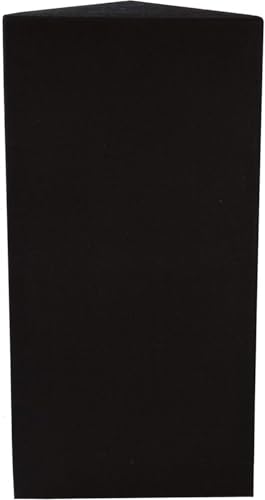
ATS Acoustics Low-Frequency Corner Trap
- NRC 1.40 absorption rating
- Solid wood internal frame
- Includes mounting hardware and template
Best For: Studios and permanent corner treatment
Modular Foam Coverage

- Deep open-cell polyurethane foam
- Stackable vertical-corner design
- 30 adhesive tabs included
Best For: Expandable wall-corner treatment
Framed Room Treatment

- Solid wood frame with fabric covering
- Fiberglass interior
- Two-pack for low and mid frequencies
Best For: Home studios and rooms needing fabric-style treatment
Upper-Corner Coverage
Foroomaco Triangular Pyramid Traps

- Designed for trihedral ceiling corners
- Deep 12-inch polyurethane foam
- Four-pack with adhesive tabs
Best For: Ceiling-corner treatment in studios and theaters
Best Modular Pick
TroyStudio Stackable Corner Bass Traps

- Two freestanding, stackable absorbers
- Dense foam core with 360° felt shell
- No-tool, renter-friendly setup
Best For: Flexible home studios and rental spaces
Best Multi-Pack Value
8-Pack Corner Acoustic Foam Bass Traps

- Eight 8×8×12-inch foam pieces
- High-density, B1 fire-retardant foam
- Suitable for multiple corners
Best For: Studios needing broad fixed corner coverage
Best Lightweight Option
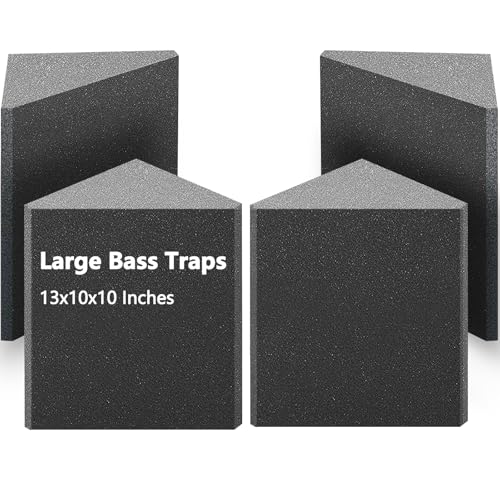
- Four large 10×10×13-inch pieces
- Targets bass buildup and reverberation
- Lightweight and easy to move
Best For: Flexible home studio and theater treatment
Best All-Around Value

- Eight pieces for flexible corner coverage
- Fire-retardant high-density foam
- Works in studios, theaters, and podcast rooms
Best For: Treating multiple corners on a budget
Best for Simple Setup

- Deep triangular corner profile
- Adhesive dots included
- Targets bass buildup and reflections
Best For: Quick treatment in studios and home cinemas
Best for Deep Coverage

- 12-inch-thick corner design
- 30 kg/m³ updated foam density
- Removable adhesive tape included
Best For: Studios needing substantial corner treatment
Studio-Grade Control – ATS Acoustics Low-Frequency Corner Trap
ATS Acoustics Corner Bass Trap, Low Frequency Range, NRC 1.40, 24" x 48" x 13" (Black)
Check Price On AmazonFor shoppers seeking thick bass traps with substantial low-frequency absorption, this ATS Acoustics corner model is a durable, professionally oriented option. Its 13-inch depth, NRC 1.40 rating, and corner-focused design help control unwanted reverb, echo, and bass buildup while reflecting higher frequencies.
Best For: Recording studios, mixing rooms, and listeners who want a robust, permanent corner treatment.
Pros:
- Low-frequency design helps control bass buildup while reflecting high frequencies.
- NRC 1.40 provides strong stated sound absorption.
- Solid wood frame protects edges and corners from damage.
- Includes mounting hardware and a template for easier installation.
Cons:
- At 41 pounds, it is considerably heavier than foam-based alternatives.
- Its 24-by-48-by-13-inch size requires sufficient corner space.
This is the most substantial-looking choice in the group, combining a wood frame and jute covering with specified low-frequency performance. Choose it when durability and a polished studio appearance matter more than low weight.
Modular Foam Coverage – Foroomaco Delta Bass Traps
These thick bass traps use deep open-cell polyurethane foam to add meaningful porous depth in vertical wall corners. The stackable 16.5-by-15.8-by-12-inch Delta units are designed to build taller corner columns and help reduce boomy low-end buildup.
Best For: Home studios and mixing spaces that need flexible, stackable treatment for vertical corners.
Pros:
- Deep foam construction extends into the corner beyond a standard wall panel.
- Flat top and bottom surfaces allow multiple units to stack.
- Two-pack format supports targeted or expandable treatment.
- Includes 30 double-sided adhesive mounting tabs.
Cons:
- Designed for vertical wall corners rather than ceiling corners.
- Additional packs may be needed for floor-to-ceiling coverage.
The Delta traps are a practical modular choice for gradually building a corner-treatment system. They are especially useful when you want to preserve floor space and expand coverage over time.
Framed Room Treatment – QGU Wooden Corner Bass Traps
For a framed alternative to foam, these thick bass traps pair a solid wood frame with fiberglass behind an environmentally friendly fabric covering. Their corner-oriented design targets low and mid frequencies while helping reduce waves, reverb, and flutter echo in smaller to medium-sized rooms.
Best For: Home studios, podcast rooms, home theaters, and living spaces that favor a conventional fabric-panel look.
Pros:
- Solid wood frame helps protect edges and corners.
- Fiberglass interior is covered by a fabric surface.
- Designed for trihedral-edge low-frequency problems.
- Flame-retardant, recyclable, odorless, and non-toxic materials are specified.
Cons:
- The supplied dimensions are unclear beyond the stated 24-by-12-inch panel size.
- The notes do not provide an NRC rating or specific frequency range.
- Installation hardware is not listed in the supplied details.
This two-pack is a sensible budget-conscious choice when you want corner treatment that blends into a room more like framed acoustic décor. Its stated materials and broad room-use guidance make it versatile, though performance specifications are less detailed than the ATS model.
Upper-Corner Coverage – Foroomaco Triangular Pyramid Traps
These thick bass traps are shaped for trihedral ceiling corners, where two walls meet the ceiling and low-frequency buildup can collect. The deep polyurethane-foam pyramids provide upper-corner coverage without taking up floor space and can complement vertical-corner traps and wall panels.
Best For: Studios, podcast rooms, rehearsal spaces, and home theaters needing dedicated ceiling-corner treatment.
Pros:
- Purpose-built for ceiling corners and three-surface junctions.
- 12-inch depth adds porous treatment beyond standard acoustic panels.
- Four-pack can cover up to four upper corners.
- Includes 30 double-sided adhesive mounting tabs.
Cons:
- Targets ceiling corners rather than vertical wall corners.
- Foam construction may offer less physical protection than framed traps.
- Full-room treatment may require additional wall panels or Delta traps.
This is the most specialized option here: it addresses upper-corner buildup while leaving floor and vertical wall-corner space available. Pair it with complementary treatments if you are building a more complete room-acoustics system.
Best Modular Pick – TroyStudio Stackable Corner Bass Traps
If you need thick bass traps with flexible placement, this two-piece TroyStudio set offers a freestanding, stackable design for room corners. Its dense foam core and felt shell target low-frequency buildup while also helping control reverb and resonance.
Best For: Renters, home studios, podcast rooms, listening rooms, and anyone who wants movable corner treatment.
Pros:
- Stackable design can extend from floor to ceiling.
- Dense open-cell foam core and 360-degree felt shell absorb sound from multiple directions.
- Freestanding setup requires no tools, brackets, or adhesive.
- Charcoal geometric design can double as a plant stand or display pedestal.
Cons:
- Only two units are included, so larger rooms may need additional treatment.
- The compressed foam requires shaping and up to 48 hours to fully recover.
- The product is relatively bulky compared with flat acoustic panels.
This is a versatile choice when you want substantial corner absorption without permanent installation. The stackable format and furniture-like appearance make it particularly practical for flexible or rental spaces.
Best Multi-Pack Value – 8-Pack Corner Acoustic Foam Bass Traps
This eight-pack is a practical option for covering multiple corners with thick bass traps. The 8-by-8-by-12-inch polyurethane foam pieces are designed to reduce low-frequency standing waves and can be arranged from the floor toward the ceiling.
Best For: Recording studios, home theaters, podcast rooms, music rooms, and buyers treating several corners at once.
Pros:
- Eight pieces provide broad corner-treatment coverage.
- High-density foam is tested to the CA117 standard and rated B1 fire-retardant.
- Designed to improve low-frequency response and reduce standing-wave effects.
- Compressed packaging makes the set easier to ship and handle.
Cons:
- Double-sided tape or spray adhesive is required but not included.
- Pieces need 24 to 48 hours in a ventilated area to expand.
- Installation is less convenient than a freestanding design.
Choose this set if coverage and quantity matter more than portability after installation. It is well suited to a more permanent acoustic-treatment plan with adhesive mounting.
Best Lightweight Option – Large Delta Corner Bass Traps
These four large delta-style pieces provide a straightforward way to add thick bass traps to room corners. Their acoustic foam is intended to absorb low frequencies, reduce bass buildup, and improve clarity in studios, homes, and theaters.
Best For: Buyers seeking lightweight, easy-to-move corner treatment for a home studio or theater.
Pros:
- Four 10-by-10-by-13-inch pieces offer substantial corner presence.
- Designed to target low-frequency buildup and unwanted reverberation.
- Lightweight construction makes repositioning simple.
- Works in studios, home theaters, and general rooms where quieter acoustics are desired.
Cons:
- The notes do not specify mounting hardware or adhesive.
- Four pieces provide less total coverage than the eight-pack option.
- Foam construction may require a separate installation approach for secure placement.
This set is a sensible middle ground for users who want larger corner pieces without a complicated setup. Its compact, movable format is especially useful when you are experimenting with room placement.
Best All-Around Value – 8-Pack Corner Foam Bass Traps
If you need thick bass traps for several corners, this eight-piece set offers broad coverage in a compact foam format. The 4.7-inch-thick corner pieces are designed to help address low-frequency buildup and standing waves in studios, theaters, podcast rooms, and other listening spaces.
Best For: Buyers treating multiple corners or ceilings on a budget, especially in home studios, home theaters, and podcast spaces.
Pros:
- Eight corner pieces provide flexible room coverage.
- High-density foam is described as fire-retardant and compliant with CA117 testing.
- Can be arranged from floor to ceiling or mounted in ceiling corners.
- Suitable for studios, theaters, offices, rehearsal spaces, and more.
Cons:
- Double-sided tape or spray adhesive is not included.
- Compressed foam requires 24–48 hours to expand and air out.
- The 4.7-inch thickness may offer less physical depth than larger triangular traps.
This is a practical choice when quantity and versatile placement matter most. Plan for unpacking time and purchase mounting supplies separately.
Best for Simple Setup – Triangular Corner Bass Traps
These thick bass traps use a triangular 16.5-inch-wide by 12-inch-deep design to fit into wall corners where bass energy and reflections can collect. Included adhesive dots make them a convenient option for quick acoustic treatment in smaller creative and entertainment spaces.
Best For: Users who want straightforward corner installation for a studio, gaming room, rehearsal space, podcast room, or home cinema.
Pros:
- Triangular shape provides more treatment depth than flat wall panels.
- Designed to reduce low-frequency buildup, echoes, and reverberation.
- Double-sided adhesive dots are included for easier mounting.
- Lightweight construction supports quick setup.
Cons:
- The four-pack covers fewer corners than the eight-piece option.
- Adhesive mounting may not suit every wall surface.
- The notes do not specify fire-retardant certification or foam density.
Choose this set when easy installation and a deeper triangular profile are more important than maximum piece count. It is especially convenient for targeted corner treatment.
Best for Deep Coverage – 4-Pack 12-Inch Corner Traps
For shoppers prioritizing substantial corner depth, these thick bass traps measure 12 inches in thickness and use a 30 kg/m³ updated-density foam. They are intended to reduce low-frequency reflections, bass reverb, and unwanted echoes in studios, theaters, vocal booths, and content-creation rooms.
Best For: Recording and listening spaces where deeper corner treatment and included wall-mounting tape are priorities.
Pros:
- 12-inch thickness offers a substantial corner treatment profile.
- 30 kg/m³ updated-density foam is designed to help manage low frequencies.
- Includes 30 pieces of removable, washable double-sided adhesive tape.
- High-density material is described as fireproof and non-toxic.
Cons:
- Only four traps are included.
- Each wedge requires six pieces of tape to install.
- Large dimensions may require careful corner and ceiling planning.
This set stands out for its deeper construction and specified foam density. It is a strong fit for buyers who want focused, substantial corner treatment rather than a larger number of thinner pieces.
How We Picked These Thick Bass Traps
We focused on products designed for corners, where low-frequency energy commonly accumulates. The selection includes thick foam and larger absorber formats, with attention to stated dimensions, pack size, placement flexibility, fire-retardant claims, and whether a design can work on walls, floors, or ceiling corners.
Because bass performance depends heavily on room size, construction, and installation, published NRC ratings and product descriptions should be treated as comparison points rather than guarantees. Proper corner coverage and an air gap behind an absorber can often improve real-world results.
Quick Comparison
| Type | Best for | Main advantage | Things to check |
|---|---|---|---|
| Large rigid or fabric-wrapped traps | Dedicated studios and serious mixing rooms | Greater depth and broad corner coverage | Mounting, weight, and available space |
| Delta or triangular foam traps | Affordable room treatment | Simple corner installation | Foam thickness and fire rating |
| Stackable or freestanding traps | Renters and flexible setups | Easy repositioning | Stability and floor clearance |
| Ceiling-corner traps | Rooms with limited wall space | Uses overlooked reflection areas | Adhesive or hardware requirements |
Key Buying Factors for Thick Bass Traps
Thickness and Usable Coverage
Look beyond the pack count. A deeper trap generally has more potential to absorb lower frequencies than a thin decorative panel, but the actual result depends on the material and how much of the corner it covers. Compare each unit’s depth, height, and width, not just its advertised size.
Material and Performance Claims
Foam is lightweight and convenient, while dense fiber or fabric-wrapped designs may provide a more substantial solution for broadband absorption. Check whether the listing provides an NRC value, density information, or fire-resistance details. Avoid assuming that any product labeled “bass trap” will eliminate deep bass on its own.
Placement and Installation
Install traps in vertical room corners first, prioritizing corners behind or beside speakers. If possible, leave a small air gap between the absorber and wall. Ceiling-wall junctions can also help, especially after the main vertical corners are treated. Confirm whether mounting hardware is included and whether adhesive is suitable for your wall surface.
Room Appearance and Safety
Consider color, exposed foam, cleanability, and stability. Freestanding units are useful when you cannot drill, but they should not tip into walkways. For studios and public-facing rooms, verify the manufacturer’s fire-rating documentation rather than relying only on marketing language.
Who Should Buy Which Thick Bass Traps?
Choose large, deep corner absorbers if you have a dedicated studio or theater and want the greatest practical coverage from each installation point. Choose triangular or delta foam traps for a lower-cost first treatment, particularly in small rooms where several corners need coverage.
Choose stackable or freestanding designs if you rent, rearrange equipment often, or want to test placement before committing to wall mounting. Choose ceiling-corner models when floor-to-ceiling corners are already treated or when wall space is occupied by shelving and equipment.
For the best results, treat multiple corners rather than placing every unit in one location, then evaluate the room with familiar recordings or measurement software. Thick Bass Traps work as part of a balanced acoustic plan that may also include first-reflection panels, a calibrated listening position, and sensible speaker placement.