A good patch bay can make a crowded pedalboard far easier to use, maintain, and expand. It helps centralize connections, protect jacks, and speed up setup changes.
Below, we focus on practical options for players who want cleaner routing, better space management, and a more professional signal chain.
Best 10 Patch Bay for Guitar Pedals Picks for 2026
Rack-Style Multi-I/O Hub
ROCKBOARD B MOD 2 V2 patch bay hub

- 4 TRS thru connections
- USB, MIDI, and AC IEC thru
- Centralizes effector setup connections
Best For: Players who want one hub for pedals, USB, MIDI, and power passthroughs
Compact Board Junction Box
EX Pedalboard Junction Box passive I/O
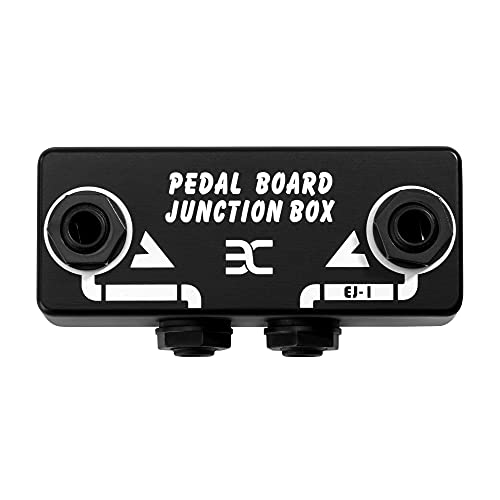
- Aggregates input and output in one place
- Passive, no-power design
- Vertical or horizontal connector angles
Best For: Players who want a simple, space-saving way to route guitar in and amp out
Balanced Studio Patch Bay
ART TPatch eight-point TRS patch bay
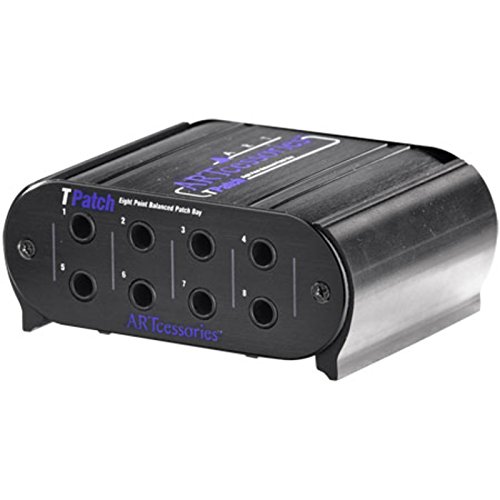
- Eight balanced signal points
- Four linked input/output pairs
- Half-normal and normal modes
Best For: Studio and rack users who need balanced TRS patching
Passive Stereo Routing Box
SONICAKE 4-channel TRS junction box

- Four passive TRS stereo channels
- True bypass, no power needed
- Accepts mono or stereo connections
Best For: Guitarists and bassists who want a compact passive pedalboard routing box
Ultra-Transparent Pedalboard Routing

- Ultra transparent buffer for clean pedalboard signal management
- Five identical TRS in/out connections
- Buffered TS connection can be switched on or off
Best For: Guitarists who want a buffered patch bay for pedals
Studio Patchbay Control

- 48-point balanced patchbay for organized routing
- Four operating modes: Parallel, Half-normalled, Normalled, Open
- Rugged build with high-quality jack connectors
Best For: Users who need a flexible 48-point patchbay
Gold-Plated Routing Hub

- 48-point patchbay with 96 gold-plated TRS connectors
- Normal and Half-normal output modes
- Stainless steel enclosure with 2-year warranty
Best For: Players who want a durable 48-point TRS patchbay
Studio Hub
Samson S-Patch Plus Balanced 48-Point 1/4" Patch Bay

- 48-point fully balanced 1/4-inch patch bay
- Normalled, half-normalled, and thru modes
- 19-inch, 1U rack-mountable design
Best For: Rack users who need flexible, centralized routing
XLR Router
Black Lion Audio PBR XLR Patchbay

- 16-point patchbay with 32 XLR connectors
- Gold-plated connectors for easy patching
- Compact aluminum build with 2-year warranty
Best For: XLR-based studio or live signal routing
Rack Organizer
Art Pro Audio P48-48 Point Balanced Patch Bay

- 48-point balanced rack patch bay
- Fully shielded to organize cables
- Helps reduce connector wear in audio rigs
Best For: Organized rack setups across studio and live gear
Rack-Style Multi-I/O Hub – ROCKBOARD B MOD 2 V2 patch bay hub
If you want a patch bay for guitar pedals that also centralizes other board connections, this RockBoard module is built for all-in-one routing. It combines multiple 1/4-inch mono TRS thru points with USB, MIDI, and AC IEC thru connections, making it practical for keeping a pedalboard setup organized and easier to manage.
Best For: Players who want a centralized connection module for pedals plus USB, MIDI, and power passthroughs.
Pros:
- 4 x 6.3mm / 1/4-inch mono TRS thru connections
- Includes USB thru, 2 MIDI thru, and AC IEC thru
- Helps manage effector setup and connections in one place
- 2-year warranty included
Cons:
- More specialized than a simple two-jack pedalboard junction box
- May be more than needed if you only want basic guitar I/O routing
Overall, this is a strong choice when your board needs more than just instrument in and amp out. It is best viewed as a multi-connection routing hub for players building a more integrated setup.
Compact Board Junction Box – EX Pedalboard Junction Box passive I/O
This patch bay for guitar pedals is designed to gather instrument input and amp output in one place, which helps simplify pedalboard setup on stage or in the studio. Its passive design and compact metal build make it a straightforward option for routing signal while reducing repeated plugging and unplugging at the pedal jacks.
Best For: Guitarists who want a simple passive junction box to tidy input/output routing and protect pedal jacks.
Pros:
- Aggregates instrument input and amplifier output in one place
- Passive design requires no power supply
- Vertical or horizontal connector angles for flexible placement
- Compact metal build saves space on the board
Cons:
- Limited to basic junction-box duties rather than multi-format routing
- No powered features or advanced switching functions
If you only need a clean, reliable way to manage board entry and exit points, this is the most straightforward pick here. It focuses on space-saving routing and jack protection without adding complexity.
Balanced Studio Patch Bay – ART TPatch eight-point TRS patch bay
For players who need a patch bay for guitar pedals in a broader studio or rack environment, the ART TPatch is built around balanced signal routing. With eight points, linked input/output pairs, and switchable half-normal and normal modes, it is more of a studio patch solution than a compact pedalboard junction box.
Best For: Home studio and rack users who need balanced TRS patching alongside pedal or instrument workflows.
Pros:
- Eight balanced direct signal points
- Four linked input/output pairs
- Switchable half-normal and normal modes
- Rugged extruded aluminum case
Cons:
- Geared more toward studio patching than a simple pedalboard board junction
- Requires a setup that benefits from balanced TRS connections
This is the most studio-oriented option in the group, so it makes sense when your routing needs go beyond a basic guitar board. If your priority is balanced line-level organization, it offers more structure than a simple pedalboard I/O box.
Passive Stereo Routing Box – SONICAKE 4-channel TRS junction box
If you want a patch bay for guitar pedals that keeps a board tidy without requiring power, this SONICAKE junction box is built for that job. It offers four passive TRS stereo channels, accepts mono or stereo connections, and uses a true-bypass design to maintain the instrument’s original sound while organizing lines.
Best For: Guitar and bass players who want a compact passive routing box for neat pedalboard organization.
Pros:
- 4-channel passive TRS stereo configuration
- Accepts mono or stereo connections
- True bypass design
- No power supply needed; plug and play
Cons:
- 90-day warranty is shorter than some alternatives
- Focused on basic routing rather than advanced I/O features
Among compact pedalboard options, this one stands out for keeping the setup simple and neat. It is a practical pick when you want a small signal hub that protects jack wear and does not add power requirements.
Ultra-Transparent Pedalboard Routing – Friedman Buffer Bay 6
Friedman Amplification Buffer Bay 6 Ultra Transparent Buffer & Professional Patch Bay
Check Price On AmazonIf you want a patch bay for guitar pedals that also adds buffering, the Friedman Buffer Bay 6 is built for clean, practical pedalboard routing. It combines five identical 1/4″ TRS in/out connections with a buffered TS connection that can be switched on or off, plus a 7-pin MIDI thru, so it suits players who need tidy signal management in a compact unit.
Best For: Guitarists who want an ultra-transparent buffer and patch bay in one compact pedalboard-friendly unit.
Pros:
- Ultra transparent, natural, and musical-sounding buffer
- Five identical 1/4″ TRS in and out connections
- Buffered TS connection can be switched on or off
- Includes 7-pin MIDI thru connection for added routing flexibility
Cons:
- Not a large-format multi-channel studio patchbay
- Focused on pedalboard routing rather than broad studio use
This is a strong choice if you want simple, transparent signal management and value the added buffer. It is less about maximum channel count and more about keeping a guitar rig clean and easy to connect.
Studio Patchbay Control – Behringer PX3000
Behringer ULTRAPATCH PRO PX3000 Multi-Functional 48-Point 3-Mode Balanced Patchbay
Check Price On AmazonThe Behringer Ultrapatch Pro PX3000 is a practical patch bay for guitar pedals and studio routing when you want to reduce cable clutter and reorganize connections easily. Its 48-point layout and selectable Parallel, Half-normalled, Normalled, and Open modes give you a lot of routing control, which is useful if your pedalboard sits alongside other audio gear.
Best For: Players and home-studio users who want a flexible, configurable 48-point patchbay.
Pros:
- 48-point balanced patchbay layout
- Selectable Parallel, Half-normalled, Normalled, and Open modes
- Designed to eliminate cable clutter and add order
- Rugged construction and high-quality jack connectors
Cons:
- More of a general-purpose patchbay than a pedalboard-specific unit
- Large and heavy compared with compact pedalboard solutions
If you need a patchbay with more routing options than a simple pedal-only box, this model offers plenty of flexibility. It makes the most sense for users who want one dependable hub for multiple balanced connections.
Gold-Plated Routing Hub – Black Lion Audio PBR TRS
The Black Lion Audio PBR TRS is a 48-point patch bay for guitar pedals and broader audio routing when you want solid hardware and straightforward operation. With 96 gold-plated TRS connectors and Normal or Half-normal output modes, it is aimed at users who need a durable, clean patching solution rather than a feature-heavy control center.
Best For: Guitarists and studio users who want a 48-point TRS patchbay with gold-plated connectors.
Pros:
- 48-point patchbay with 96 gold-plated TRS connectors
- Normal and Half-normal audio output modes
- Stainless steel enclosure for a solid feel
- 2-year warranty included
Cons:
- Only two output modes listed, so routing options are more limited than some competitors
- Primarily a TRS patchbay, not a compact pedalboard-specific utility box
This model is a good fit if you value robust connectors and a simple signal-routing workflow. It is best treated as a dependable TRS hub for organized pedal or studio connections.
Studio Hub – Samson S-Patch Plus Balanced 48-Point 1/4" Patch Bay
Samson S-Patch Plus Balanced 48-Point 1/4" Patch Bay | 1/4 Inch Phone Connections
Check Price On AmazonIf you want a patch bay for guitar pedals that also works cleanly in a larger audio rack, the Samson S-Patch Plus gives you a central 48-point routing hub with balanced 1/4-inch connections. Its normalled, half-normalled, and thru options make it useful when you need flexible signal flow without constantly reaching behind your gear.
Best For: Players and studio users who want a rackmount patch bay with flexible routing modes and balanced 1/4-inch connections.
Pros:
- 48-point fully balanced design with 1/4-inch phone connectors front and rear
- Configurable for Normalled, Half-normalled, or Thru operation
- Rack-mountable 19-inch, 1U format keeps wiring centralized
- Front-panel toggle switches make setup easier
Cons:
- Built as a general audio patch bay, not a pedalboard-specific unit
- Uses TRS-style balanced connections, so it may not suit every pedal setup
For organized routing in a rack or hybrid guitar rig, the S-Patch Plus is the most flexible option here. It is best when your priority is clean signal management and easy access rather than a simple stompbox-only solution.
XLR Router – Black Lion Audio PBR XLR Patchbay
For a patch bay for guitar pedals that sits in a broader recording or live-sound setup, the Black Lion Audio PBR XLR Patchbay offers a compact 16-point layout with 32 gold-plated XLR connectors. Its easy-patch design is aimed at quick signal routing when you want dependable connections in a studio or stage rack.
Best For: Engineers and players who need an XLR-based patchbay for signal routing in recording or live sound rigs.
Pros:
- 16-point patchbay with 32 gold-plated XLR connectors
- Designed for easy patching and high-quality connections
- Compact aluminum construction
- Backed by a 2-year warranty
Cons:
- XLR format is not the typical choice for pedalboard-only patching
- Fewer points than a 48-channel patchbay
This is a practical choice if your pedal rig is part of a studio or live workflow that already uses XLR. It focuses on solid routing and quality connectors rather than maximum channel count or pedal-specific conveniences.
Rack Organizer – Art Pro Audio P48-48 Point Balanced Patch Bay
If you need a patch bay for guitar pedals as part of a broader rig, the Art Pro Audio P48 gives you a 48-point balanced layout in a 19-inch rack format. It is built to organize cables and reduce wear on equipment connectors, which is helpful when you want a neater, more serviceable signal chain.
Best For: Guitarists and home or pro studio users who want a balanced rack patch bay for organized routing.
Pros:
- 48-point balanced patch bay in a standard 19-inch rack design
- Fully shielded to help keep routing tidy
- Helps organize cables and reduce wear on connectors
- Works in pro and home studios, plus live sound and PA setups
Cons:
- XLR-based design may not match every pedalboard configuration
- At 0.2 kg, it is lightweight but still meant for rack installation
The P48 is a sensible pick when you want a versatile patch bay that can sit alongside pedals, guitars, keyboards, and other gear in a rack. It is less about pedalboard convenience and more about clean, shielded signal organization.
How We Picked the Best Patch Bay for Guitar Pedals
For this Patch Bay for Guitar Pedals roundup, we prioritized routing flexibility, build quality, connector type, and how well each unit fits real pedalboard use. We also considered whether a model is better as a simple junction box, a buffer-equipped solution, or a full studio-style patchbay adapted for pedal rigs.
We favored products that solve common pain points: cable clutter, worn pedal jacks, awkward board access, and the need to reconfigure effects without constantly reaching under the board.
Quick Comparison
Not every patch bay serves the same job. Simple junction boxes are best when you mainly want tidy input/output access. Buffered units help preserve signal integrity on larger boards. Multi-channel balanced patchbays are more versatile for hybrid rigs, but they can be overkill if you only need a few pedal connections.
If your setup is strictly guitar pedals, compact and pedalboard-friendly models usually make the most sense. If your board also ties into studio gear, switchers, or rack equipment, a balanced 48-point unit may offer more long-term flexibility.
Key Buying Factors for Patch Bay for Guitar Pedals
Connector Type and Signal Format
Match the patchbay to your signal path. Guitar pedals usually rely on 1/4-inch TS connections, while balanced TRS units are better when you need compatibility with studio routing or longer cable runs. If you use stereo effects or expression/control lines, make sure the layout supports that use case.
Buffering and Signal Preservation
Passive bays are simple and reliable, but very large pedalboards can benefit from buffering. A well-designed buffer can help maintain brightness and clarity, especially when your chain includes many true-bypass pedals and long cable lengths.
Channel Count and Expansion
Choose enough ports for your current board plus a little room to grow. A compact junction box may be perfect for a minimal rig, while a 48-point patchbay makes sense for players who regularly rewire, integrate rack effects, or manage multiple instruments and amp paths.
Mounting, Size, and Accessibility
Look for a form factor that fits your board or rack without creating cable strain. Easy front-panel access matters more than extra features if you change pedals often. The best Patch Bay for Guitar Pedals should make your setup simpler, not harder to reach.
Who Should Buy Which Patch Bay for Guitar Pedals?
Choose a compact junction box if you want cleaner pedalboard entry and exit points with minimal fuss. Pick a buffered patch bay if your priority is preserving tone on a larger chain. Go with a multi-point balanced patchbay if your setup blends pedals, rack gear, and studio routing, or if you want a more permanent, expandable hub.
In short, smaller boards benefit from simplicity, while complex rigs benefit from flexibility. The right choice depends on whether you want tidier access, better tone management, or a more modular signal-routing system.