Choosing the right optical cable can simplify connections between an audio interface, DAC, monitor controller, soundbar, or other S/PDIF equipment. The best options deliver dependable signal transfer while fitting your room layout and equipment ports.
This roundup compares 10 optical audio cables for home studios, including long-run models, multi-packs, flexible designs, and cables suited to tight spaces.
Best 10 Optical Audio Cables for Home Studios Picks for 2026
Two-Cable Value Pack

- Includes two six-foot optical cables
- Nylon mesh jacket protects the fiber core
- Supports PCM and 5.1/7.1 digital audio
Best For: Multiple standard-length studio connections
Everyday Studio Connection

- Six-foot length for typical equipment layouts
- Flexible PVC fiber-optic construction
- Gold-plated connectors and interference resistance
Best For: Routine connections in compact home studios
Flexible Long-Run Pick
iVANKY 10ft Optical Audio Cable

- 10-foot length for flexible equipment placement
- Japan Toray fiber core supports lossless audio
- Braided, CL3-rated construction with broad compatibility
Best For: Home studios needing extra reach and durable routing
Heavy-Duty Build Pick
Monoprice Premium 6ft Toslink Cable

- Metal mesh jacket helps resist nicks, cuts, and kinks
- Polished fiber tips and gold-plated ferrules
- Lifetime warranty included
Best For: Durable six-foot connections in home audio setups
Extra-Long Installation Pick

- 25-foot length for widely separated equipment
- Optical transmission avoids EMI, RFI, and ground loops
- Supports PCM, surround audio, ADAT, and LPCM
Best For: Long-distance studio and professional AV installations
Flexible Two-Pack
Conwork 6ft Fiber Optic TOSLink Cable

- Two 6-foot cables included
- Supports S/PDIF, ADAT, PCM, and surround sound
- Slim, flexible design with strain relief
Best For: Multi-device home studio setups needing two optical connections
Long-Run Installation Pick
Amazon Basics 15ft CL3 Optical Cable
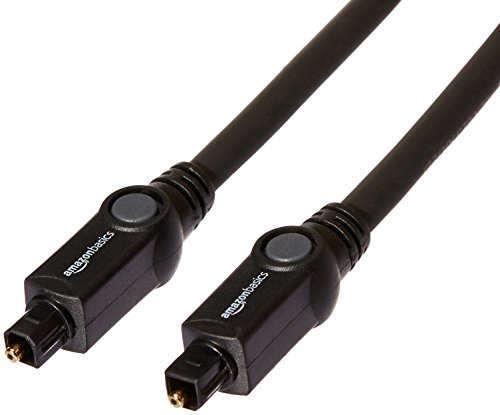
- 15-foot length for distant components
- CL3 rated for in-wall use
- Flexible cable with gold-plated connectors
Best For: Long optical runs in home studios or media rooms
Durability Choice
BlueRigger 6ft Toslink Optical Cable

- Supports PCM, surround formats, ADAT, and LPCM
- PVC jacket rated for 25,000+ bend cycles
- Gold-plated connectors and lifetime warranty
Best For: Frequently handled studio and AV connections
Long-Run Studio Setup – 20ft KabelDirekt TOSLINK Cable
For home studios that need extra reach between a TV, console, amplifier, DAC, or other digital audio equipment, this 20-foot KabelDirekt cable is a practical option among optical audio cables for home studios. Its flexible PVC jacket and fiber-optic construction are designed for interference-free TOSLINK connections.
Best For: Longer cable runs between separated studio, entertainment, and digital audio components.
Pros:
- 20-foot length supports flexible equipment placement.
- Fiber-optic construction is immune to electrical interference.
- Gold-plated TOSLINK connectors and multi-stage manufacturing tests support durability.
- Compatible with TOSLINK and S/PDIF-equipped devices, including amplifiers, DACs, consoles, and soundbars.
Cons:
- The 20-foot length may be excessive for compact desk setups.
- It uses standard straight TOSLINK connectors, which may be less convenient in tight spaces.
This is the most suitable pick here when distance is the main concern. It offers a straightforward, flexible connection for larger home-studio or media-room layouts.
Two-Cable Value Pack – FosPower 6ft Toslink Cables
The FosPower two-pack gives home studios a convenient pair of six-foot optical connections for receivers, preamps, audio systems, soundbars, TVs, and compatible source devices. For anyone comparing optical audio cables for home studios, its braided jacket and interference-resistant fiber core make it useful for everyday routing.
Best For: Studio owners who need two standard-length optical cables for multiple devices or backup use.
Pros:
- Two six-foot cables provide useful flexibility for multiple connections.
- Fiber construction eliminates RF, EM, and ground-loop interference.
- Nylon mesh jackets help protect the fiber core from bending damage.
- Supports uncompressed PCM and compressed 5.1/7.1 digital surround sound.
Cons:
- Six feet may not be enough for widely separated equipment.
- The supplied notes do not identify a specific warranty or certification.
This pack is a sensible value choice when you need more than one cable. Its standard length fits many desk, rack, and home-theater connections without committing to a long cable run.
Tight-Space Routing – EMK 90-Degree Toslink Cable
The EMK optical cable is designed for home studios where ports sit close to walls, racks, or other equipment. Its 90-degree, 360-degree free-rotating plug can help reduce severe bends, making it a distinctive option among optical audio cables for home studios.
Best For: Compact setups that need a flexible right-angle connection around tight spaces.
Pros:
- 90-degree, 360-degree rotating plug helps with constrained routing.
- Nylon braided, 6.0 mm construction helps resist kinks and nicks.
- Supports uncompressed PCM and compressed 5.1 to 7.1 audio formats.
- Compatible with DACs, preamps, receivers, computers, TVs, and game consoles with optical ports.
Cons:
- The 3.3-foot length limits use across larger setups.
- The angled plug may be unnecessary where standard straight connectors fit easily.
Choose this cable when connector orientation and bend protection matter more than length. It is especially practical for compact desks, wall-mounted equipment, and crowded racks.
Everyday Studio Connection – KabelDirekt 6ft TOSLINK Cable
This six-foot KabelDirekt cable is a straightforward choice for connecting compatible TVs, consoles, amplifiers, soundbars, PCs, DACs, and other digital audio equipment. Its flexible PVC jacket and metal-free fiber construction make it a practical baseline among optical audio cables for home studios.
Best For: Standard-distance connections in desks, racks, and compact home audio systems.
Pros:
- Six-foot length suits many everyday equipment layouts.
- Fiber-optic construction is immune to electrical interference.
- Flexible PVC jacket supports easier routing.
- Gold-plated connectors and manufacturing testing are intended to support reliable use.
Cons:
- One cable may not cover multi-device setups.
- The standard straight design may be less convenient in sharply confined spaces.
This is a well-rounded option when you want a conventional TOSLINK cable without extra length or specialized connector geometry. It fits routine digital-audio connections in smaller studio and media setups.
Flexible Long-Run Pick – iVANKY 10ft Optical Audio Cable
For home studios that need extra reach, this 10-foot iVANKY cable is a practical option among optical audio cables for home studios. Its Toslink connection supports uncompressed PCM and compressed surround formats, while the braided jacket and CL3 rating suit flexible installations around audio equipment.
Best For: Home studio and home theater setups where a longer, durable optical connection is useful.
Pros:
- 10-foot length makes it easier to arrange equipment without stretching the cable.
- Japan Toray fiber core supports lossless, zero-distortion digital transmission.
- Nylon braid, aluminum shells, and gold-plated connectors are designed for durability.
- Compatible with standard Toslink ports on TVs, receivers, DACs, consoles, and soundbars.
Cons:
- Its 10-foot length may be more cable than needed for a compact setup.
- It requires devices with standard Toslink or S/PDIF optical ports.
The iVANKY stands out when cable length and installation flexibility matter. The braided construction and broad device compatibility make it a well-rounded choice for routing digital audio between separated studio components.
Heavy-Duty Build Pick – Monoprice Premium 6ft Toslink Cable
This six-foot Monoprice cable offers a sturdy, straightforward connection for optical audio cables for home studios. It uses full-sized male Toslink connectors, precision-polished fiber tips, and a mesh metal jacket intended to help protect against everyday nicks, cuts, and kinks.
Best For: Users who prioritize a robust six-foot cable for indoor audio, home theater, or gaming-console connections.
Pros:
- Heavy-duty mesh metal jacket helps protect the cable from physical damage.
- Metal connector heads provide a substantial, durable connection design.
- Gold-plated ferrules resist corrosion, while polished fiber tips support signal transfer.
- Lifetime warranty is included.
Cons:
- Six feet offers less routing flexibility than the longer alternatives here.
- The heavier metal-mesh construction may be less convenient for minimalist setups.
- The supplied compatibility details specifically emphasize gaming consoles and home theater use.
Choose this Monoprice model when physical protection is more important than maximum length or a lightweight feel. Its six-foot run is suitable for many workstation layouts, provided both devices use male Toslink ports.
Extra-Long Installation Pick – BlueRigger 25ft Toslink Cable
When studio components are spread across a room, the 25-foot BlueRigger provides substantial reach for optical audio cables for home studios. Its fiber-optic transmission avoids electrical, radio-frequency, and electromagnetic interference, while support for PCM, surround formats, ADAT, and LPCM covers a range of digital audio applications.
Best For: Long-distance routing between separated audio equipment, receivers, DACs, and other Toslink-compatible devices.
Pros:
- 25-foot length suits professional AV installations and widely separated equipment.
- Optical transmission eliminates electrical interference, RFI, EMI, and ground-loop interference.
- Supports uncompressed PCM, 5.1/7.1 formats, ADAT, and LPCM.
- Includes a flexible PVC jacket, gold-plated connectors, removable tips, and a lifetime warranty.
Cons:
- The 25-foot length can be excessive for a compact home studio.
- PVC construction may feel less premium than a braided or metal-mesh jacket.
- Protective caps must be removed before use.
The BlueRigger is the practical choice when distance and interference resistance are the main concerns. Its long run and format support make it particularly useful for installations where short optical cables cannot reach cleanly.
Flexible Two-Pack – Conwork 6ft Fiber Optic TOSLink Cable
For home studios using optical audio cables, the Conwork two-pack offers a practical way to connect multiple S/PDIF or ADAT-equipped devices. Its slim 4.0mm design is lightweight and flexible, while fiber-optic transmission avoids electromagnetic and radio-frequency interference.
Best For: Home studios that need two 6-foot optical connections for audio equipment, receivers, preamps, or compatible digital systems.
Pros:
- Includes two 6-foot TOSLink cables.
- Supports uncompressed PCM and compressed 5.1/7.1 digital surround sound.
- Compatible with S/PDIF and ADAT connections.
- 360-degree grip treads and molded strain reliefs help with handling and cable stress.
Cons:
- The 4.0mm slim profile may be less substantial than thicker cable designs.
- Both cables are the same 6-foot length, limiting length options.
With two cables in the package, interference-resistant fiber transmission, and a limited lifetime warranty, this is a useful value-oriented choice for straightforward studio and home audio routing.
Long-Run Installation Pick – Amazon Basics 15ft CL3 Optical Cable
The Amazon Basics 15-foot cable is a strong option when optical audio cables for home studios need to span a longer distance. Its CL3 rating supports in-wall installation, while the fiber-optic construction is designed for multi-channel digital audio connections.
Best For: Studios or media rooms requiring a long optical run between a TV, audio system, receiver, processor, or DAC.
Pros:
- 15-foot length accommodates wider equipment layouts.
- CL3 rated for in-wall installations.
- Supports multi-channel fiber-optic digital audio.
- Flexible, lightweight construction with corrosion-resistant gold-plated connectors.
Cons:
- Only one cable is included.
- The longer length may be unnecessary for compact studio racks.
- Protective end caps must be removed before use.
This cable makes the most sense for permanent or longer-distance routing, especially where an in-wall-rated optical cable is more important than having a short patch cable.
Durability Choice – BlueRigger 6ft Toslink Optical Cable
The BlueRigger 6-foot cable combines optical isolation with a durable PVC jacket, making it a practical candidate among optical audio cables for home studios. It supports PCM, 5.1/7.1 surround formats, ADAT, and LPCM through standard Toslink connections.
Best For: Home studios and AV setups that want a flexible, repeatedly handled optical cable with broad Toslink compatibility.
Pros:
- Supports uncompressed PCM, 5.1/7.1 audio, ADAT, and LPCM.
- Optical transmission eliminates RFI, EMI, and ground-loop interference.
- PVC jacket is rated for more than 25,000 bend cycles.
- Includes 24K gold-plated connectors, protective caps, and a lifetime warranty.
Cons:
- Only a single 6-foot cable is included.
- Protective covers must be removed before connecting.
- Its length may not suit especially short or long routing needs.
For users who frequently reconnect equipment or want extra confidence in cable longevity, the bend-cycle rating, connector protection, and lifetime support make this a well-rounded studio cable.
How We Picked the Best Optical Audio Cables for Home Studios
We focused on practical compatibility, construction, connector fit, length options, and value. Every cable here uses a Toslink-style optical connection for digital S/PDIF audio, while several models also list support for formats such as Dolby or ADAT. Because optical cables transmit light rather than electrical signals, shielding is less important than it is with analog cables; connector alignment, bend protection, and suitable length matter more.
We also included a range of cable lengths and designs so you can choose a dependable match for your studio layout instead of paying for unnecessary cable or struggling with a short connection.
Quick Comparison
- Best for long runs: 20-foot and 25-foot options provide extra reach between separated components.
- Best value: Two-packs are useful when connecting multiple devices or keeping a spare available.
- Best for tight spaces: Right-angle and rotating-plug designs can reduce strain behind equipment.
- Best for compact setups: Six-foot cables keep cable management simple around a desk or rack.
- Best for flexible routing: Lightweight jackets are easier to guide through small home-studio spaces.
Key Buying Factors for Optical Audio Cables for Home Studios
Length and Routing
Measure the actual path between devices, not just the straight-line distance. A little extra slack helps prevent tension, but excessive length can create unnecessary loops around a desk or rack. For nearby equipment, 6 feet is often sufficient; 10 feet or more is better when components sit across the room.
Connector Design and Clearance
Standard Toslink connectors work with most compatible optical ports, but crowded equipment panels may benefit from a 90-degree or rotating plug. Check that the connector can fully seat in the device and remove any protective caps before installation.
Compatibility
Confirm that both devices use optical Toslink or S/PDIF ports. Optical cables do not replace USB, HDMI ARC, coaxial S/PDIF, or analog RCA connections. Also verify the required signal format, particularly when using ADAT equipment or multichannel audio.
Build Quality and Handling
Look for strain relief, a flexible but protected jacket, and connectors that remain aligned during installation. Avoid sharp bends and kinks; optical fiber can be damaged even when the outer jacket appears intact.
Who Should Buy Which Optical Audio Cables for Home Studios?
Choose a standard 6-foot cable if your interface, DAC, monitor controller, or other digital components are close together. A 10-foot model suits a larger desk or a setup with equipment on separate shelves. Select a 20- or 25-foot cable when routing around a room, but secure the run and avoid tight bends.
A two-pack makes sense for studios with several optical devices or anyone who wants a backup. If rear-panel clearance is limited, choose the right-angle or rotating-connector option. For a simple, budget-conscious connection, a conventional Toslink cable from a recognized brand should be enough; prioritize correct length and connector compatibility over premium appearance.