The best laptops for photo editing combine accurate displays, responsive processors, ample memory, and fast storage so Lightroom, Photoshop, and similar apps stay smooth.
This roundup covers 10 options ranging from color-focused creator machines to practical large-screen laptops, helping you match performance and price to your workflow.
Best 10 Laptops for Photo Editing Picks for 2026
Best Premium Pick

- 3.2K Tandem OLED with full Adobe RGB coverage
- RTX 5060 graphics with 8GB GDDR7
- 32GB RAM and 1TB SSD
Best For: Professional and enthusiast photo editors
Best Budget Option
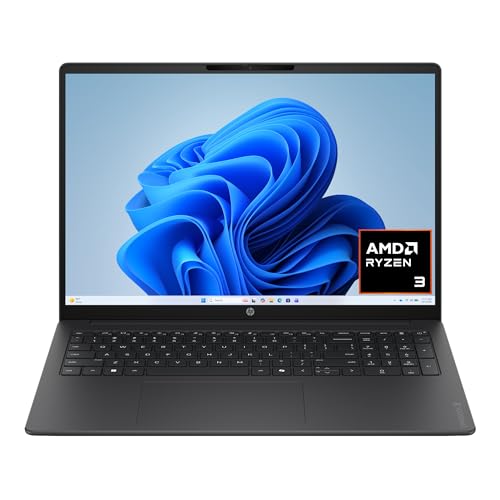
- 16-inch 2K touchscreen
- Lightweight 3.6-pound design
- Up to 14 hours and 15 minutes of claimed battery life
Best For: Casual editing, schoolwork, and everyday photo tasks
Best Storage Value

- 2TB SSD and 32GB RAM
- 100% sRGB 120Hz touchscreen
- Thunderbolt 4, USB4, and Wi-Fi 7
Best For: Creators needing storage and strong everyday multitasking
Best Large 4K Display

- 17-inch 3840 x 2400 UHD+ display
- RTX 2060 dedicated graphics
- 32GB RAM and 1TB NVMe SSD
Best For: Plugged-in editing with a spacious, high-resolution display
Upgradeable Creator Workhorse

- Ryzen 7 processor with 32GB DDR5 RAM
- 1TB SSD plus expandable memory and storage
- Integrated Radeon 780M graphics and USB4
Best For: Multitasking photo editors who value upgradeability
Color-Critical Powerhouse
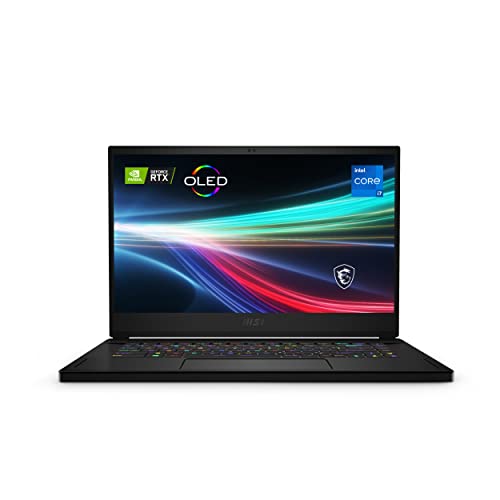
- 15.6-inch 4K OLED display with 100% DCI-P3
- RTX 3060 dedicated graphics with 6GB GDDR6
- Core i7 processor and Thunderbolt 4 connectivity
Best For: Color-focused photo editing and demanding creative work
Everyday Editing Value
HP 15.6-inch Ryzen 7 Touchscreen
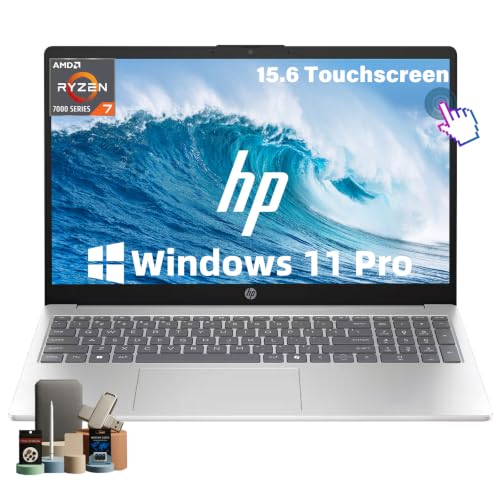
- 32GB RAM and 1TB NVMe SSD
- Full HD IPS touchscreen with Windows 11 Pro
- Light 3.52-pound design with integrated Radeon graphics
Best For: Everyday photo organization and casual editing
Large-Screen Starter

- Roomy 17.3-inch Full HD display
- Ryzen 5 with 4 cores and 8 threads
- 8GB RAM and 512GB SSD
Best For: Beginners wanting a large screen for light editing
Storage-Focused Workstation

- 16GB RAM and 1TB SSD
- Large matte Full HD display
- Memory card slot and external-monitor support
Best For: Multitaskers with sizable photo libraries
Best Premium Pick – Lenovo Yoga Pro 9i
For photographers who want a powerful all-around option, the Lenovo Yoga Pro 9i is one of the most capable laptops for photo editing in this group. Its 3.2K Tandem OLED panel covers 100% Adobe RGB, DCI-P3, and sRGB, while the RTX 5060 and 32GB of memory support demanding creative workflows.
Best For: Professional and enthusiast photo editors who value accurate color, a high-resolution touchscreen, and strong GPU performance.
Pros:
- 3.2K Tandem OLED display with 100% Adobe RGB, DCI-P3, and sRGB coverage
- Dedicated NVIDIA GeForce RTX 5060 GPU with 8GB GDDR7 memory
- 32GB RAM and a 1TB PCIe Gen4 SSD
- Bright 120Hz HDR display with up to 1,000 nits
Cons:
- Memory is soldered and cannot be expanded beyond 32GB
- Touchscreen has a glare finish
- Premium specifications may be more than casual editors need
The Yoga Pro 9i stands out when color coverage and graphics performance are priorities. Its 16-inch display and dedicated GPU make it especially well suited to large image files, layered projects, and other demanding editing tasks.
Best Budget Option – HP OmniBook 3 16
The HP OmniBook 3 16 is a practical entry-level choice among laptops for photo editing. Its 16-inch 2K IPS touchscreen, Ryzen 3 processor, and fast SSD are suitable for everyday photo adjustments, organization, and light creative work.
Best For: Students, home users, and casual photo editors working with lighter projects.
Pros:
- Large 16-inch 1920 x 1200 touchscreen
- 256GB PCIe NVMe SSD provides responsive storage
- Up to 14 hours and 15 minutes of claimed battery life
- Lightweight 3.6-pound design with Wi-Fi 6
Cons:
- 8GB of onboard RAM limits heavier multitasking
- 256GB storage may fill quickly with photo libraries
- Display covers 62.5% sRGB, making it less suited to color-critical work
This HP makes sense for basic edits and general productivity rather than professional color grading. Buyers with large RAW libraries or complex layered projects should consider a model with more memory, storage, and wider color coverage.
Best Storage Value – Acer Aspire 16 AI
The Acer Aspire 16 AI combines generous storage and memory with a color-capable display, making it a well-balanced option among laptops for photo editing. Its 2TB SSD can accommodate a substantial photo library, while the 32GB of RAM supports multitasking across editing and productivity apps.
Best For: Creators who need substantial local storage, accurate sRGB color, and a lightweight everyday system.
Pros:
- 2TB PCIe Gen4 NVMe SSD for large photo collections
- 32GB LPDDR5 memory
- 16-inch 120Hz touchscreen with 100% sRGB coverage
- Thunderbolt 4, USB4, HDMI 2.1, and Wi-Fi 7 connectivity
Cons:
- Intel Arc 140V graphics are integrated rather than dedicated
- 1920 x 1200 resolution is lower than many premium editing displays
- Memory is listed as LPDDR5 and may not be upgradeable
The Aspire 16 AI is compelling for photographers who prioritize workflow flexibility and storage capacity over dedicated graphics. It should handle standard photo editing smoothly, while more GPU-intensive work may favor the Lenovo.
Best Large 4K Display – Dell XPS 17 9700
The Dell XPS 17 9700 remains an appealing choice for photo editors who want a spacious 4K workspace. Its 17-inch UHD+ display, 32GB of RAM, 1TB SSD, and RTX 2060 dedicated graphics provide a strong foundation for viewing and editing high-resolution images.
Best For: Desktop-oriented editors who prefer a large, high-resolution screen and dedicated graphics.
Pros:
- 17-inch 3840 x 2400 UHD+ display
- NVIDIA GeForce RTX 2060 with 6GB GDDR6 memory
- 32GB RAM and 1TB NVMe SSD
- Dual opposite outlet fans help increase airflow
Cons:
- Older 10th-generation Intel processor and Windows 10 Home
- Heavier 5.5-pound design
- Listed battery life is 3 hours
The XPS 17 offers a large, detailed canvas and dedicated GPU acceleration, but its older platform and short listed battery life make it better suited to plugged-in editing than mobile workflows. It is most attractive when screen size takes priority.
Upgradeable Creator Workhorse – NIMO 15.6-inch Ryzen 7 Laptop
For shoppers comparing laptops for photo editing, the NIMO offers a strong multitasking foundation with a Ryzen 7 8745HS processor, 32GB of DDR5 memory, and a 1TB PCIe 4.0 SSD. Its integrated Radeon 780M graphics and 15.6-inch Full HD anti-glare screen suit everyday photo workflows, though users seeking especially color-critical editing may want a higher-gamut display.
Best For: Photo editors who prioritize memory, storage, upgradeability, and general creative multitasking.
Pros:
- Ryzen 7 8745HS, 32GB DDR5 RAM, and 1TB PCIe 4.0 SSD support demanding multitasking.
- Radeon 780M graphics can assist with creative applications and Premiere Pro exports.
- Dual SODIMM and dual M.2 slots allow future memory and storage expansion.
- USB4, HDMI 2.1, multiple USB ports, and a Micro SD reader provide flexible connectivity.
Cons:
- The 15.6-inch display is Full HD rather than a higher-resolution panel.
- Integrated graphics are less suitable for highly demanding GPU-heavy work than a dedicated GPU.
The NIMO is a practical choice when smooth application switching and upgrade potential matter more than a premium color-focused display. Its generous memory and storage make it well suited to maintaining a photo library and running several creative tools together.
Color-Critical Powerhouse – MSI Creator 15 4K OLED
Among laptops for photo editing, the MSI Creator 15 stands out for its 15.6-inch 4K OLED display with 100% DCI-P3 coverage. Its RTX 3060 graphics and Core i7-11800H processor also provide substantial performance for demanding creative applications, while the 512GB SSD may require additional storage for large photo libraries.
Best For: Photo editors who prioritize a high-resolution, wide-gamut display and dedicated graphics performance.
Pros:
- 4K OLED display offers 100% DCI-P3 coverage for detailed, color-focused work.
- RTX 3060 graphics with 6GB GDDR6 supports demanding creative workflows.
- Eight-core Intel Core i7 processor provides strong application performance.
- Thunderbolt 4, HDMI, Wi-Fi 6E, and 2.5GbE support versatile workstation setups.
Cons:
- The 512GB SSD provides less working storage than some competing creator laptops.
- At 5.4 pounds, it is less convenient for frequent travel than lighter models.
- The listed model is from 2021 and includes Windows 10 with a stated upgrade path to Windows 11.
The Creator 15 is the most display-focused option in this group. Its 4K OLED panel and DCI-P3 coverage are compelling for photographers who need a more color-oriented screen, while the RTX 3060 adds useful headroom for broader creative workloads.
Everyday Editing Value – HP 15.6-inch Ryzen 7 Touchscreen
For everyday laptops for photo editing, this HP combines a Ryzen 7 7730U processor, 32GB of RAM, and a 1TB NVMe SSD with a Full HD IPS touchscreen. It is a sensible option for organizing photos, making routine edits, and handling general productivity, but its integrated graphics and 45% color gamut make it less suited to color-critical professional work.
Best For: Students, home users, and general-purpose editors who want ample memory and storage at a practical size.
Pros:
- 32GB RAM and a 1TB NVMe SSD support large libraries and responsive multitasking.
- Ryzen 7 7730U with eight cores handles everyday creative and office applications.
- 15.6-inch Full HD IPS touchscreen offers convenient touch control and wide viewing angles.
- Light 3.52-pound design, Wi-Fi 6, Windows 11 Pro, and a camera privacy shutter suit mobile productivity.
Cons:
- Integrated AMD Radeon graphics are not intended for the most demanding GPU-heavy editing.
- The listed 45% color gamut is less appropriate for color-critical photo work.
- The display is Full HD rather than 4K.
The HP makes sense for casual and intermediate photo work where storage, memory, portability, and everyday usability matter most. Editors who need dependable on-screen color should consider an external calibrated monitor or a laptop with a wider-gamut display.
Budget Touchscreen Pick – HP Pavilion 15.6-inch Laptop
For shoppers comparing laptops for photo editing on a budget, this HP Pavilion offers generous memory and storage in a familiar 15.6-inch design. Its touchscreen and anti-glare coating are useful for everyday photo organization and light editing, though the HD resolution and integrated graphics are better suited to casual workflows than color-critical work.
Best For: Casual photo editing, photo organization, schoolwork, and general home use.
Pros:
- 16GB of RAM supports multitasking across editing software and browser tabs.
- 1TB PCIe NVMe SSD provides ample space for photo libraries and quick boot times.
- Touchscreen, anti-glare finish, HDMI, USB-C, and two USB-A ports add flexibility.
Cons:
- The 1366 x 768 display offers less workspace and detail than a Full HD screen.
- Intel UHD integrated graphics and the 2-core processor are limiting for demanding editing.
- The listed 220-nit brightness and 45% NTSC gamut are modest for color-sensitive projects.
This is a practical entry-level choice when storage and RAM matter more than display quality. Photographers doing serious color work should consider a higher-resolution, wider-gamut screen.
Large-Screen Starter – HP 17.3-inch FHD Laptop
This 17.3-inch HP is one of the more spacious laptops for photo editing in this group, with a Full HD anti-glare display that gives editing panels and image previews more room. The Ryzen 5 processor is suitable for everyday creative work, while the 8GB memory configuration is a consideration for larger files and heavier multitasking.
Best For: Beginners who want a large Full HD workspace for light photo editing and general productivity.
Pros:
- 17.3-inch 1920 x 1080 display provides a roomy editing workspace.
- Ryzen 5 7520U has 4 cores and 8 threads for everyday multitasking.
- 512GB PCIe NVMe SSD, Wi-Fi 6, HDMI, and USB-C support a practical workstation setup.
Cons:
- 8GB of RAM may feel restrictive with large photo files or several creative apps open.
- Integrated graphics are not intended for demanding GPU-accelerated workloads.
- The large chassis is less convenient for frequent travel than a smaller laptop.
The Full HD screen is a meaningful step up from basic HD models for viewing and arranging photos. Its memory ceiling is listed as 8GB, so it is best chosen for lighter editing rather than ambitious professional projects.
Storage-Focused Workstation – HP 17.3-inch FHD Laptop
For photographers who want a large screen and more room for files, this HP 17.3-inch model combines a Full HD display with 16GB of RAM and a 1TB SSD. It is a sensible option among laptops for photo editing when multitasking and local storage are priorities, although its integrated Radeon graphics and listed 45% color gamut make it less suited to demanding color-critical production.
Best For: Home photographers, students, and multitaskers who need a large screen, substantial storage, and Windows 11 Pro.
Pros:
- 16GB RAM is better suited to multitasking and larger editing applications than an 8GB configuration.
- 1TB PCIe NVMe SSD offers useful space for photo libraries and quick file access.
- 17.3-inch 1920 x 1080 matte display includes a memory card slot and supports up to two external monitors.
Cons:
- Integrated AMD Radeon graphics are less capable than a dedicated GPU for advanced workloads.
- The listed 45% color gamut may not satisfy photographers needing broad color coverage.
- Its 17.3-inch form factor is better for desk use than portability.
Among these options, the 16GB-and-1TB configuration is the most comfortable for managing sizable photo collections and multiple applications. It offers practical productivity value, but serious color grading may call for an external, color-accurate monitor.
How We Picked These Laptops for Photo Editing
We evaluated the listed models around the features that matter most for editing photographs: display quality, processor performance, graphics capability, memory, storage, screen size, and overall value. Color coverage and resolution are especially important because an attractive screen is not necessarily an accurate one. We also considered whether each laptop is better suited to occasional edits, a large photo library, or demanding RAW and layered-image work.
Specifications can vary by retailer or configuration, so confirm the exact display panel, operating system, ports, and warranty before buying. Manufacturer claims such as battery life and comparative processor performance should be treated as estimates rather than guarantees.
Quick Comparison
| Best For | What to Prioritize | Models to Consider |
|---|---|---|
| Professional color work | Wide color gamut, high resolution, strong calibration | Lenovo Yoga Pro 9i, MSI Creator 15, Acer Aspire 16 AI Creator |
| Heavy editing and exports | 32GB RAM, powerful CPU, dedicated GPU, fast SSD | Lenovo Yoga Pro 9i, Dell XPS 17, NIMO 15.6-inch |
| Large workspace | 17-inch display, Full HD or better, comfortable ergonomics | HP 17 models, Dell XPS 17 |
| Everyday or light editing | 16GB RAM if possible, SSD storage, accurate-enough display | HP 15.6-inch, HP Pavilion 15.6-inch |
| Lowest-cost basic use | SSD storage and realistic expectations about multitasking | HP OmniBook 3 16-inch |
Key Buying Factors for Laptops for Photo Editing
Display Quality
Look for at least Full HD resolution, strong brightness, and wide color coverage such as 100% sRGB. OLED panels can provide excellent contrast and vivid color, while higher-resolution screens make it easier to inspect fine details. For print or professional work, calibration support and a dependable color profile matter more than touchscreen capability.
Processor, RAM, and Graphics
A modern multi-core processor helps with RAW previews, batch processing, and exports. Choose 16GB of RAM for comfortable general editing and 32GB for large catalogs, Photoshop layers, or long-term use. Integrated graphics can handle many photo workflows, but a dedicated GPU is useful for GPU-accelerated effects, AI tools, high-resolution files, and occasional video work.
Storage, Ports, and Portability
A 1TB SSD is a practical starting point for an active photo library, though external storage or cloud backup remains essential. Check for USB-C, USB-A, an SD card reader, and an external-display connection. Larger 16- and 17-inch laptops offer more workspace but are less convenient to carry; also consider fan noise, charger size, and battery performance.
Who Should Buy Which Laptops for Photo Editing?
Professional photographers and serious enthusiasts: Favor the Lenovo Yoga Pro 9i, MSI Creator 15, or Acer Aspire 16 AI Creator when display quality and sustained performance are priorities.
Power users with demanding catalogs: Look for 32GB RAM, a dedicated GPU, and at least 1TB of storage. The Yoga Pro 9i, Dell XPS 17, and NIMO are the strongest fits among these specifications.
Students, families, and occasional editors: The HP 15.6-inch and Pavilion models offer a more practical balance for basic RAW adjustments, organization, and everyday computing. The HP OmniBook 3 is best reserved for lighter workloads because its memory and storage are more limited.
Desktop-replacement shoppers: Choose one of the HP 17-inch laptops or the Dell XPS 17 if screen size matters more than portability, but verify resolution and panel color coverage before purchase.