Choosing a condenser microphone for vocals can make a huge difference in clarity, detail, and overall polish. The right model should suit your room, your voice, and your recording setup.
Below, we’ve rounded up 10 standout options for 2026, from affordable entry-level mics to studio-ready picks for cleaner, more professional vocal capture.
Best 10 Condenser Microphone for Vocals Picks for 2026
Studio Standard
Audio-Technica AT2020 Condenser Mic
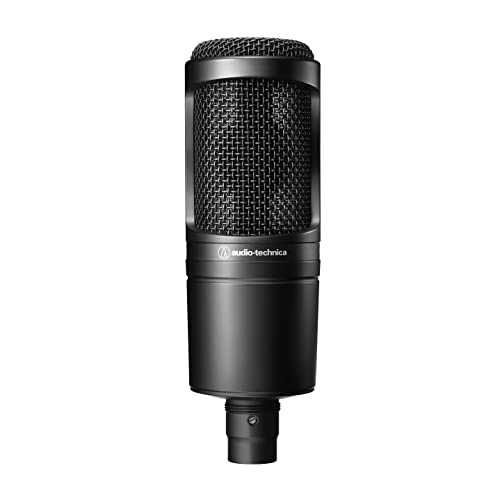
- Price/performance benchmark for home studios
- Cardioid pickup helps isolate vocals
- Wide dynamic range and high SPL handling
Best For: Home studio vocal recording on a budget
Detail Champion
LEWITT LCT440PURE Vocal Condenser

- 1-inch true condenser capsule for detail
- Includes shock mount and magnetic pop filter
- Cardioid pattern helps reject rear sound
Best For: Detailed vocal recording with included accessories
Versatile Workhorse
Audio-Technica AT2035 Studio Mic

- Smooth, natural sound with low noise
- Includes shock mount plus pad and high-pass filter
- Built for home to professional studio use
Best For: Flexible vocal recording with extra control features
Starter Value
Tascam TM-80 Home Recording Mic
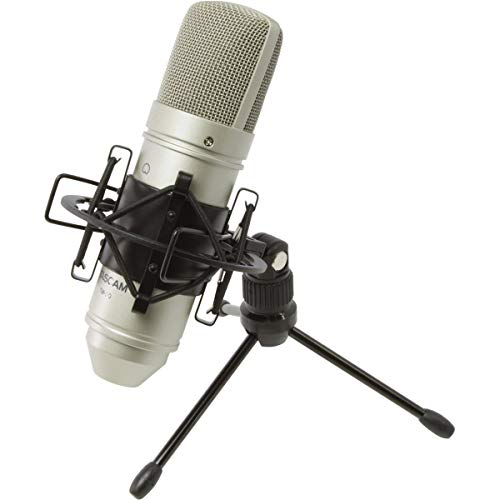
- Affordable condenser for home recording
- Includes stand, cable, and shockmount
- Cardioid pattern suits vocals and instruments
Best For: First-time home recording setups
Legendary Studio Vocal Pick
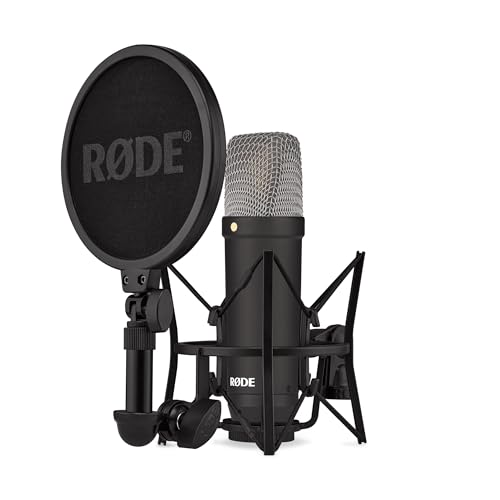
- Whisper-quiet large-diaphragm condenser
- Tight cardioid pattern for vocals
- Shock mount, pop filter, and XLR cable included
Best For: Vocalists wanting a classic studio XLR mic with low noise
Most Versatile Starter Kit

- USB/XLR condenser with plug-and-play convenience
- Includes boom arm, shock mount, pop filter, and foam
- Cardioid pattern plus USB software controls
Best For: Creators who want an easy starter kit with room to grow
Budget Studio Value

- Affordable large-diaphragm condenser
- Cardioid pattern reduces ambience
- Shock mount and XLR cable included
Best For: Home studio buyers looking for an inexpensive XLR vocal mic
Studio-Ready XLR Kit

- Cardioid XLR mic with smooth, natural vocal clarity
- Includes boom arm, shock mount, pop filter, and cable
- Needs phantom power or an audio interface
Best For: Home studios, voice-over, and vocal recording setups
Easy USB Starter

- USB plug-and-play condenser mic for computers
- Cardioid pattern helps isolate vocals
- Includes metal body, tripod stand, and volume knob
Best For: Beginners and desktop creators who want simple vocal recording
Budget Studio Classic

- Affordable XLR condenser for vocals and instruments
- Cardioid pattern with pad and bass-cut options
- Handles loud sources up to 150 dB
Best For: Budget home studios and singers with an audio interface
Studio Standard – Audio-Technica AT2020 Condenser Mic
If you want a straightforward condenser microphone for vocals that has become a common benchmark in project and home studios, the Audio-Technica AT2020 is built around value, detail, and simple XLR operation. Its cardioid pattern helps reduce side and rear pickup, while the low-mass diaphragm and wide dynamic range make it a practical pick for vocal tracking and other basic studio jobs.
Best For: Home studio singers and creators who want an affordable, versatile XLR condenser for vocal recording.
Pros:
- Price/performance standard for side-address studio condenser mics
- Cardioid pattern improves isolation by reducing off-axis pickup
- High SPL handling and wide dynamic range add versatility
- Low-mass diaphragm supports extended frequency response and transient detail
Cons:
- Requires phantom power and an XLR setup
- No included shock mount or pop filter mentioned in the supplied notes
For singers building a first serious recording chain, the AT2020 offers a proven, no-frills path into condenser vocal recording. It is especially appealing if you want a mic that can also handle other studio sources without feeling overly specialized.
Detail Champion – LEWITT LCT440PURE Vocal Condenser
The LEWITT LCT 440 PURE is a large-diaphragm condenser microphone for vocals that focuses on clarity, depth, and low-noise capture. Its 1-inch true condenser capsule is designed to pick up nuance, while the cardioid pattern provides effective rear rejection for studio, stage, and home recording.
Best For: Singers who want a clearer, more detailed condenser for vocal tracking and versatile recording.
Pros:
- 1-inch true condenser capsule captures nuance with depth and clarity
- Cardioid pattern offers effective rear rejection
- Works well on vocals and other sources like acoustic instruments and drums
- Includes a shock mount and magnetic pop filter
Cons:
- XLR connectivity means you need compatible recording gear
- Higher-end feature set may be more than a basic starter setup needs
If your priority is vocal detail and a cleaner studio capture, the LCT 440 PURE stands out for its included accessories and broad application range. It is a strong option when you want one condenser that can handle vocals today and other instruments tomorrow.
Versatile Workhorse – Audio-Technica AT2035 Studio Mic
The Audio-Technica AT2035 is a practical condenser microphone for vocals if you want a more feature-rich XLR option for home, project, or professional studio use. Its large diaphragm and cardioid pattern are aimed at smooth, natural sound with low noise, and the included shock mount helps with isolation during vocal sessions.
Best For: Vocalists and creators who want a flexible studio condenser with built-in control features.
Pros:
- Designed for critical home, project, and professional studio applications
- Large diaphragm delivers smooth, natural sound with low noise
- Switchable 80 Hz high-pass filter and 10 dB pad add flexibility
- Includes a custom shock mount for better isolation
Cons:
- Needs an XLR chain and phantom power to operate
- More feature-heavy than a simple entry-level vocal mic
The AT2035 makes sense if you want one mic that can adapt to different recording situations without losing focus on vocals. Its pad, filter, and rugged build make it easier to work around louder sources and less-than-ideal rooms.
Starter Value – Tascam TM-80 Home Recording Mic
The Tascam TM-80 is a budget-minded condenser microphone for vocals and home recording, built to give you a simple XLR path into recording. Its cardioid pickup pattern, internal noise-reduction circuitry, and included accessories make it an accessible option for first-time studio setups.
Best For: Beginners building a home recording setup who want an affordable condenser for vocals.
Pros:
- Designed and priced for home recording
- Cardioid pattern works on vocals and acoustic instruments
- Internal circuitry aims to reduce noise and distortion
- Includes tabletop stand, XLR cable, and elastic shockmount
Cons:
- Not as feature-rich as higher-end studio condensers
- XLR setup still requires compatible audio gear
For an entry-level vocal mic, the TM-80 is attractive because it bundles the basics you need to start recording. It is best viewed as a practical starter microphone rather than a specialist upgrade.
Legendary Studio Vocal Pick – RØDE NT1 Signature Series
If you want a condenser microphone for vocals with a serious studio pedigree, the RØDE NT1 Signature Series is built around the well-known NT1 large-diaphragm voicing. It keeps the focus on the voice with a tight cardioid pattern, and the included shock mount, pop filter, XLR cable, and dust cover make it easy to get recording right away.
Best For: Vocalists and streamers who want a quiet, ready-to-record XLR condenser with a classic studio sound.
Pros:
- Very low self-noise, which helps capture clean vocal takes
- Cardioid pattern is tuned to focus on the voice and reduce room pickup
- Includes shock mount with pop filter, XLR cable, and dust cover
- Legendary NT1 voicing has been trusted in studios for years
Cons:
- Requires an audio interface to record
- Single-pattern XLR design is less flexible than multi-mode mics
For vocal recording, this is the most straightforward choice in the group if you already plan to use an interface. It is aimed at clean, polished capture rather than extra features, which is often exactly what home studios need.
Most Versatile Starter Kit – MAONO A04 Gen2
The MAONO A04 Gen2 is a practical condenser microphone for vocals if you want one mic that can work over USB or XLR. It offers plug-and-play recording for PC, phone, and other compatible devices in USB mode, while the XLR side is there when you want to move into an interface-based setup.
Best For: Beginners and creators who want an all-in-one vocal mic kit with both USB convenience and XLR upgrade options.
Pros:
- Dual USB/XLR connectivity adds flexibility for different setups
- Comes with a full accessory kit, including arm stand, shock mount, pop filter, and foam windscreen
- Cardioid pattern and built-in noise reduction tools help reduce off-axis sound
- USB mode includes software controls for gain, noise reduction, EQ, compressor, and limiter
Cons:
- XLR use requires phantom power and an interface or mixer
- Software audio controls are only available in USB mode
This is the most flexible option here for buyers who want to start simple and add more gear later. It is especially appealing if you need a complete desktop setup for voiceover, streaming, or podcast-style vocal recording.
Budget Studio Value – Mackie EM-91C
The Mackie EM-91C is a no-frills condenser microphone for vocals and other studio work, built around a large-diaphragm cardioid design. It is positioned as an affordable professional-quality option, and it comes with the essentials needed for a simple XLR recording setup.
Best For: Budget-conscious home studio users who want a straightforward vocal mic with included accessories.
Pros:
- Affordable professional-quality condenser microphone
- Cardioid pattern helps reduce ambience in home and studio spaces
- Includes shock mount and XLR cable
- Rugged construction suited to regular studio use
Cons:
- Requires an audio mixer or interface for XLR use
- Basic package offers fewer extras than some competing kits
If you want a simple vocal mic without paying for extras you may not need, the EM-91C is the most economical option in this group. It is a practical pick for home-based studios that need dependable sound and a clean cardioid pickup pattern.
Studio-Ready XLR Kit – TONOR TC20 Condenser Mic Kit
If you want a condenser microphone for vocals that comes as a full starter kit, the TONOR TC20 is built for straightforward studio-style recording. It uses XLR connectivity, so you’ll need 48V phantom power, an audio interface, mixer, or preamp, but that also makes it a better fit for more controlled vocal setups.
Best For: Home studio singers, voice-over work, podcasting, and creators who want an all-in-one XLR mic package.
Pros:
- Cardioid pattern helps reduce side and rear noise for cleaner vocal capture.
- Upgraded capsule and low-noise FET preamp are tuned for smooth, warm, natural clarity.
- Includes boom arm, shock mount, pop filter, mic cover, XLR cable, and cable ties.
- Steel T20 arm supports larger contact area and is rated for heavier mics.
Cons:
- Requires external power and an XLR setup, so it is not plug-and-play.
- Bulkier kit may be more than you need if you only want a simple desk mic.
Overall, this is the most complete option here if you’re building a vocal recording setup from scratch and want the accessories included. It leans toward practical studio use rather than casual USB convenience.
Easy USB Starter – FIFINE K669B USB Vocal Mic
If you need a condenser microphone for vocals that’s easy to set up, the FIFINE K669B keeps things simple with USB plug-and-play operation. It connects directly to a PC or laptop without 48V phantom power, making it a practical choice for everyday recording, streaming, and meetings.
Best For: Beginners, desktop users, and anyone who wants a simple USB vocal mic for recording or calls.
Pros:
- Plug-and-play USB design makes setup quick on compatible computers.
- Cardioid pickup focuses on your voice and helps reduce background noise.
- Metal construction adds durability for desk use and regular handling.
- Built-in volume knob gives you easy on-mic level control.
Cons:
- Not compatible with Xbox or phones.
- Less flexible than an XLR mic if you plan to expand into a larger audio chain.
This is a sensible pick if your priority is convenience rather than a fully modular studio setup. It covers the basics well for vocals, streaming, and voice work on a computer.
Budget Studio Classic – AKG P120 XLR Condenser Mic
The AKG P120 is a straightforward condenser microphone for vocals if you want an affordable XLR option for a home or project studio. Its low-mass diaphragm is designed to deliver clear sound and accurate detail, and it connects to common audio interfaces with phantom power.
Best For: Budget-conscious singers and home-recording users who want a reliable XLR vocal mic.
Pros:
- Clear sound with accurate sonic detail for vocals, speech, and instruments.
- Cardioid pattern helps focus on the main source and limit room pickup.
- High SPL handling up to 150 dB supports louder sources without distortion.
- Includes a stand adapter and a bass cut filter plus -20 dB pad for flexibility.
Cons:
- Requires phantom power and an interface or mixer, so it is not a simple USB mic.
- Only the microphone and stand adapter are included, so you’ll need extra accessories.
For the price, the P120 is aimed at users who want dependable vocal capture without paying for extra kit. It is a solid entry point if you already have the rest of your recording chain.
How We Picked the Best Condenser Microphone for Vocals
We focused on vocal performance first: clear top-end detail, sensible self-noise, reliable cardioid pickup, and practical accessories or connectivity. We also weighed value, build quality, and how well each Condenser Microphone for Vocals fits common real-world setups like home studios, podcast rooms, and streaming desks.
Quick Comparison
USB models are the easiest path for plug-and-play recording, while XLR models offer more long-term flexibility and better upgrade potential with an audio interface. Large-diaphragm condensers typically deliver a fuller vocal tone, while smaller or more budget-focused options can be a smart choice for spoken word, demos, and starter rigs.
Key Buying Factors for a Condenser Microphone for Vocals
Pickup Pattern
Cardioid is usually the best starting point because it helps reduce room noise and focuses on the voice. If your space is untreated, this matters even more than small differences in frequency response.
Connectivity
Choose XLR if you want the most upgrade path and already use an interface or mixer. Choose USB if you want simplicity, especially for recording on a PC without extra gear.
Self-Noise and Sensitivity
For vocal recording, lower self-noise helps preserve quiet details and keeps tracks sounding cleaner. Higher sensitivity can be useful, but it also means your room noise may be captured more easily.
Included Accessories
Shock mounts, pop filters, and boom arms can improve results and save money. A well-equipped bundle can be a better value than a bare mic, especially for first-time buyers.
Room and Voice Match
Bright microphones can add presence and air, while smoother designs may be better for sibilant voices. If your room sounds harsh, a less revealing mic may be more forgiving than a hyper-detailed one.
Who Should Buy Which Condenser Microphone for Vocals?
If you’re building a serious vocal chain, an XLR condenser is the best fit. If you’re a beginner, streamer, or remote worker who wants easy setup, a USB option is often the smarter choice. Budget buyers should prioritize a solid cardioid pattern and decent included accessories over fancy extras. For a reliable Condenser Microphone for Vocals, match the mic to your room, workflow, and upgrade plans rather than chasing specs alone.