Choosing the best bass traps can make a room sound tighter, clearer, and easier to mix or enjoy. The right option depends on your room size, corner layout, available mounting space, and whether you prioritize absorption, appearance, or value.
This roundup compares foam, fabric-style, wooden, and hybrid corner treatments across different sizes and pack counts, so you can match your acoustic treatment to the problems your room actually has.
Best 10 Bass Traps Picks for 2026
Best Value Corner Coverage
8-Pack 12-Inch Black Foam Bass Traps

- Eight corner pieces for flexible room coverage
- High-density, B1-class fire-retardant foam
- Suitable for studios, theaters, and podcast rooms
Best For: Budget-conscious buyers treating multiple corners
Best for Stackable Treatment

- Deep open-cell foam for vertical wall corners
- Flat surfaces allow stackable columns
- Includes 30 adhesive mounting tabs
Best For: Modular studio and mixing-room corner treatment
Best Finished-Panel Option
ATS Acoustics Full-Range Bass Trap
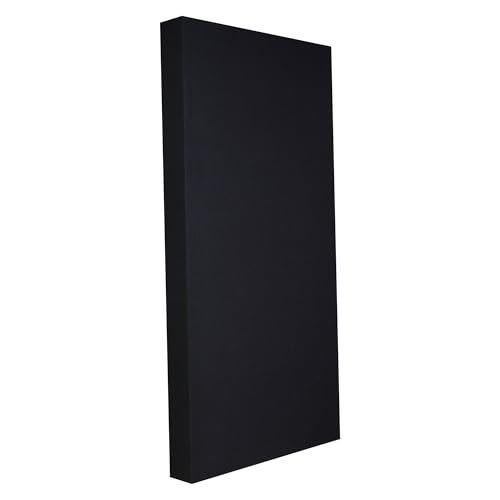
- 24 x 48 x 4-inch framed mineral-wool panel
- Full-range absorption with NRC 1.28
- Includes mounting template and hardware
Best For: Finished recording and listening rooms
Best Compact Foam Set
8-Pack 4.7-Inch Black Corner Traps

- Eight compact pieces for flexible placement
- High-density, B1-class fire-retardant foam
- Designed for corners and ceiling locations
Best For: Small rooms and lightweight foam treatment
Premium Corner Control
ATS Acoustics Low-Frequency Bass Trap

- NRC 1.40 for strong absorption
- Solid wood internal frame
- Includes mounting hardware and template
Best For: Durable, finished-looking studio corner treatment
Flexible Foam Value
4-Pack Corner Acoustic Foam Bass Traps

- Four wedges for multi-corner treatment
- 30 kg/m³ updated density
- Removable adhesive installation
Best For: Affordable home studio and theater treatment
Absorption and Diffusion
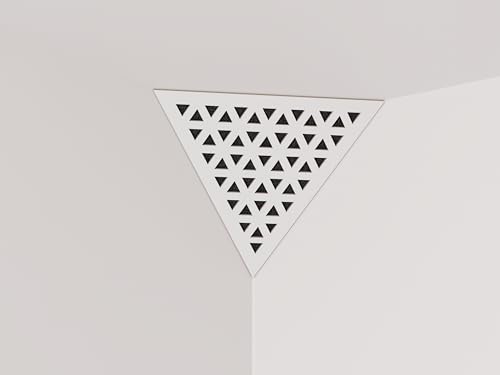
- Two-pack corner-mounted design
- Combines absorption and diffusion
- Overall NRC of 0.57
Best For: Finished-looking ceiling-corner acoustic treatment
Best Value Foam Bass Traps
TroyStudio 12-Piece Corner Foam Set

- 12 dense polyurethane corner panels
- Designed to reduce low-frequency buildup and echoes
- Lightweight, cuttable, and flame retardant
Best For: Flexible foam treatment for home studios and compact rooms
Best Easy-Install Bass Traps
Triangular Corner Acoustic Foam 4-Pack

- Deep triangular profile for room corners
- Includes double-sided adhesive dots
- Suitable for studios, gaming rooms, and home cinemas
Best For: Quick, lightweight corner treatment with minimal setup
Best Wood-Frame Bass Traps
QGU 24-Inch Fabric-Covered Pair

- Solid wood frame with fabric-covered fiberglass interior
- Designed for low- and mid-frequency room issues
- Flame-retardant, odorless, and non-toxic materials
Best For: Finished-looking treatment for studios, theaters, and listening rooms
Best Value Corner Coverage – 8-Pack 12-Inch Black Foam Bass Traps
If you need broad corner coverage on a budget, these bass traps provide eight compressed polyurethane foam pieces sized for vertical corners or selected ceiling corners. Their high-density, fire-retardant construction is intended to help manage low-frequency standing waves and improve clarity in studios, theaters, and other listening spaces.
Best For: Buyers treating several corners in a home studio, podcast room, theater, or music space.
Pros:
- Eight 8 x 8 x 12-inch corner traps provide flexible coverage.
- Designed to improve low-frequency response and reduce standing-wave effects.
- High-density foam passed CA117 testing and offers B1-class fire-retardant performance.
- Can be installed with double-sided tape or spray adhesive.
Cons:
- Adhesive is not included.
- Compressed foam needs 24–48 hours in a ventilated area to expand.
- Polyurethane foam may offer less finished-room appeal than fabric-wrapped panels.
This is a practical choice when quantity and easy placement matter most. Plan the layout before mounting, and allow the foam to fully recover its shape first.
Best for Stackable Treatment – Foroomaco Delta Bass Traps
Foroomaco’s Delta bass traps are built for deep vertical wall corners, where their 16.5 x 15.8 x 12-inch open-cell foam bodies can provide more corner depth than standard wall panels. The flat top and bottom make them easy to stack into taller columns as your room-treatment plan develops.
Best For: Mixers and recordists who want modular, stackable treatment for vertical corners.
Pros:
- Deep 12-inch corner body targets low-frequency buildup in wall junctions.
- Stackable design supports partial-height or floor-to-ceiling coverage.
- Two-piece package can be expanded with additional packs.
- Includes 30 double-sided acrylic gel mounting tabs.
Cons:
- The two-pack may not cover a full room without additional units.
- Designed primarily for vertical wall corners rather than every corner location.
- Polyurethane foam has a utilitarian appearance.
The Delta is a strong fit for a modular acoustic plan. Start with the worst vertical corners, then add matching units if you need taller or more consistent coverage.
Best Finished-Panel Option – ATS Acoustics Full-Range Bass Trap
This ATS Acoustics panel takes a more finished approach to bass traps, combining a 24 x 48 x 4-inch framed mineral-wool core with fire-rated Guilford of Maine SONA fabric. Mounted across a corner, its open-back design is intended to absorb sound across the frequency range while maintaining a cleaner appearance than exposed foam.
Best For: Recording, mixing, and listening rooms where broad absorption and a polished installation matter.
Pros:
- Full-range absorption is designed to reduce boominess, echo, and reverberation.
- Mineral wool core and open-back frame allow sound to pass through for absorption.
- Includes a mounting template and installation hardware.
- Manufactured in the USA with fire-rated acoustic fabric.
Cons:
- At 4 inches thick, it has less stated depth than the deepest corner foam options.
- The large 24 x 48-inch format may require more wall-planning space.
- Only one panel is specified, so multiple corners require additional units.
Choose this model when acoustic performance needs to coexist with a more refined room design. Its across-corner mounting format makes placement especially important.
Best Compact Foam Set – 8-Pack 4.7-Inch Black Corner Traps
These compact bass traps offer an eight-piece solution for adding corner treatment without the larger footprint of deeper foam blocks. Each 9.8 x 9.8 x 4.7-inch piece is designed for corner or ceiling placement and uses high-density, fire-retardant foam for home studios, podcast rooms, theaters, and similar spaces.
Best For: Smaller rooms and buyers wanting multiple lightweight foam pieces for flexible placement.
Pros:
- Eight pieces allow treatment across several corners or ceiling locations.
- Compact dimensions suit spaces where deeper traps are difficult to place.
- High-density foam meets CA117 testing and offers B1-class fire-retardant performance.
- Compressed packaging is portable and easy to handle.
Cons:
- Adhesive or spray adhesive must be purchased separately.
- Pieces require 24–48 hours to expand after unpacking.
- The 4.7-inch depth provides less physical volume than deeper corner traps.
This set is a sensible starting point for compact rooms or targeted treatment. It offers quantity and placement flexibility, but buyers seeking maximum corner depth should consider a larger trap format.
Premium Corner Control – ATS Acoustics Low-Frequency Bass Trap
ATS Acoustics Corner Bass Trap, Low Frequency Range, NRC 1.40, 24" x 48" x 13" (Ivory)
Check Price On AmazonFor listeners who want a more polished room response, this ATS Acoustics bass trap targets low-frequency buildup in room corners. Its NRC 1.40 rating, solid wood frame, and natural jute covering make it a substantial option for studios and listening spaces.
Best For: Home studios, recording rooms, and listeners seeking a durable, furniture-like corner treatment.
Pros:
- Designed to absorb low frequencies while reflecting high frequencies.
- NRC 1.40 supports strong sound absorption for controlling reverb and echo.
- Solid wood internal frame helps protect edges and corners.
- Includes mounting hardware and a template for easier installation.
Cons:
- At 41 pounds, it is much heavier than foam-style bass traps.
- The 24-by-48-by-13-inch design requires substantial corner space.
This is a strong choice when durability, appearance, and dedicated low-frequency absorption matter more than a lightweight installation.
Flexible Foam Value – 4-Pack Corner Acoustic Foam Bass Traps
This four-pack of bass traps offers a practical way to treat multiple corners in a home studio, theater, or recording space. The updated 30 kg/m³ density is intended to reduce low-frequency reflections, reverb, and echo without requiring permanent wall modifications.
Best For: Podcast rooms, rehearsal spaces, home theaters, and budget-conscious users treating several corners.
Pros:
- Four corner wedges provide coverage for multiple room locations.
- 30 kg/m³ density is designed to help reduce low-frequency sound buildup.
- Fireproof, non-toxic material helps support indoor use.
- Included removable adhesive tape is designed to install without wall damage.
Cons:
- The supplied information does not provide an NRC rating or specific room coverage measurement.
- Installation requires six pieces of tape per wedge.
Choose this set when easy, removable installation and multi-corner coverage are more important than a framed, decorative treatment.
Absorption and Diffusion – TRI Ceiling Corner Bass Trap
These ceiling-corner bass traps combine foam absorption with a perforated laminated HDF plate for absorption and diffusion. The two-pack is designed for studios, home theaters, music rooms, and other spaces where low-frequency control and a more finished appearance are useful.
Best For: Rooms needing ceiling-corner treatment with both acoustic absorption and diffusion.
Pros:
- Combines absorption and diffusion in one corner-mounted design.
- Intended to absorb low, mid, and high frequencies, including slap echo.
- Two units are included for treating more than one corner.
- Triangular laminated HDF-and-foam construction offers a structured appearance.
Cons:
- Overall NRC is 0.57, lower than the rating listed for the ATS Acoustics trap.
- Euroclass E fire classification may matter for buyers with stricter fire-rating requirements.
- The supplied dimensions vary between the feature notes and product details, so verify fit before ordering.
This set suits buyers who want decorative ceiling-corner treatment with diffusion as well as absorption, rather than foam absorption alone.
Best Value Foam Bass Traps – TroyStudio 12-Piece Corner Foam Set
If you need bass traps for a home studio or listening room, this 12-piece TroyStudio set offers a flexible foam-based approach to treating corners. Its thick, high-density polyurethane construction is designed to help reduce low-frequency buildup, echoes, and overlapping sounds.
Best For: Home studios, vocal booths, podcast rooms, bedrooms, and other spaces where lightweight, cuttable corner treatment is useful.
Pros:
- Includes 12 dense, 4 x 4 x 12-inch foam panels for treating multiple corners.
- Extra thickness and density are intended to improve low-frequency absorption compared with regular acoustic foam.
- Flame-retardant, odorless, and non-toxic polyurethane construction.
- Can be cut and mounted on walls, floors, or ceilings using separately purchased accessories.
Cons:
- Adhesive and other mounting accessories are sold separately.
- Foam construction is not waterproof.
- The narrow 4-inch panel width may provide less coverage than larger corner traps.
This is a practical choice when you want a larger quantity of lightweight foam bass traps and need flexibility during installation. Plan for your own mounting method and measure corner coverage before ordering.
Best Easy-Install Bass Traps – Triangular Corner Acoustic Foam 4-Pack
These triangular bass traps are made for room corners, where sound energy can accumulate. The deeper triangular profile is intended to help manage low-frequency buildup and reflections while the included adhesive dots make installation straightforward.
Best For: Recording studios, podcast rooms, gaming rooms, rehearsal spaces, music rooms, and home cinemas needing quick corner treatment.
Pros:
- Triangular design fits into wall corners and provides more treatment depth than flat panels.
- Each trap measures 16.5 inches wide and 12 inches deep.
- Includes double-sided adhesive dots for convenient mounting.
- Lightweight design supports quick setup and repositioning.
Cons:
- The four-piece package may provide limited coverage in rooms with many untreated corners.
- Adhesive-dot installation may not suit every wall surface or permanent setup.
- Foam treatment is focused on reducing reflections and buildup rather than fully soundproofing a room.
Choose this set if ease of installation and a deeper corner profile matter more than covering every corner at once. It is a convenient starting point for improving clarity in smaller recording or listening spaces.
Best Wood-Frame Bass Traps – QGU 24-Inch Fabric-Covered Pair
For buyers who prefer a more finished look than exposed foam, this pair of wooden bass traps uses a solid wood frame, fabric covering, and fiberglass interior. The 24 x 12-inch panels are designed to address low-frequency and mid-frequency issues in smaller to medium-sized rooms.
Best For: Home studios, mixing rooms, listening rooms, home theaters, offices, and living spaces where framed acoustic treatment fits the décor.
Pros:
- Solid wood frame with an environmentally friendly fabric exterior.
- Fiberglass interior is intended to absorb sound and help reduce reverb and flutter echoes.
- 24 x 12-inch format targets low- and mid-frequency room problems.
- Flame-retardant, recyclable, odorless, and non-toxic materials are specified.
Cons:
- The two-panel pack offers less total coverage than larger multi-piece foam sets.
- At a listed 20.5 pounds, the pair may require more secure installation than lightweight foam.
- Supplied product dimensions are inconsistent with the stated 24 x 12-inch panel size, so confirm measurements before planning placement.
This pair suits buyers prioritizing a conventional framed appearance and substantial panels over maximum quantity. It can be a strong fit for focused treatment in a mixing or listening room, provided you verify the dimensions and mounting requirements.
How We Picked the Best Bass Traps
We compared these Bass Traps by their stated dimensions, construction, placement options, coverage, frequency claims, and suitability for common rooms. We also considered whether each design is practical for studios, home theaters, bedrooms, offices, or larger listening spaces. Because product specifications and room acoustics vary, published NRC or low-frequency claims should be treated as useful reference points rather than guarantees.
Corner placement was a priority because room corners are where low-frequency energy commonly accumulates. We also included different formats, from compact foam wedges and multi-piece kits to deeper panels and wooden treatments, giving buyers options for both limited and generous wall space.
Quick Comparison
| Type | Best For | Main Advantage | Watch For |
|---|---|---|---|
| Foam corner blocks | Budget treatment and small rooms | Lightweight and easy to install | Limited deep-bass absorption |
| Large mineral-wool-style panels | Recording and mixing rooms | Broader frequency control | Need more space and secure mounting |
| Wooden or hybrid traps | Visible living spaces | More finished appearance | Higher cost or heavier construction |
| Ceiling-corner traps | Rooms with limited wall corners | Uses overlooked boundary areas | Installation can be more involved |
Key Buying Factors for Bass Traps
Size and Depth
Deeper traps generally have a better chance of affecting lower frequencies, especially when they span a full corner or are mounted with an air gap. Small wedges can help reduce reflections and upper-bass buildup, but they may not solve serious room modes by themselves.
Coverage and Placement
Prioritize the vertical corners behind or beside your speakers, then add treatment to rear corners and ceiling-wall junctions if problems remain. Measure each corner before ordering, and check whether doors, windows, shelving, or furniture will interfere with installation.
Material and Finish
Foam is lightweight and convenient, while denser panel systems are often better suited to broadband absorption. Wooden or laminated designs may blend more naturally into a living room, but confirm their mounting hardware and weight requirements.
Fire Safety and Installation
Look for clearly stated fire-performance information rather than assuming every acoustic foam product has the same rating. Also verify whether adhesive, brackets, frames, or other mounting supplies are included.
Who Should Buy Which Bass Traps?
- Choose compact foam packs if you want an affordable first treatment for a bedroom studio, office, or small home theater.
- Choose larger, deeper panels if you are mixing music, recording vocals, or dealing with obvious low-frequency peaks and nulls.
- Choose ceiling-corner designs when floor-to-ceiling corners are occupied or you need additional treatment without using wall space.
- Choose wooden or finished traps if appearance matters in a shared living room or dedicated theater.
- Use multiple corners for more consistent results; treating only one location can leave the room acoustically unbalanced.
For the best result, combine Bass Traps with speaker positioning, a listening-position check, and basic measurement software. Acoustic treatment reduces problematic energy, but it cannot fully correct every room mode without thoughtful placement.