The best acoustic curtains can reduce echo, soften outside noise, block light, and add privacy without permanent construction. This roundup compares traditional curtain panels with heavy sound-dampening blankets for different room layouts and budgets.
Because these products vary widely in size, mounting style, insulation, and noise-control performance, the right choice depends on whether you are treating a window, door, studio wall, or multi-purpose room.
Best 10 Acoustic Curtains Picks for 2026
Best Layered Pick
RYB HOME 3-in-1 Acoustic Curtains

- Detachable felt layer for sound absorption
- 100% blackout, thermal insulation
- Two panels, 104-inch total width
Best For: Bedrooms and nurseries needing blackout coverage plus added sound absorption
Best Large-Format Absorber
US Cargo Control Sound Blanket
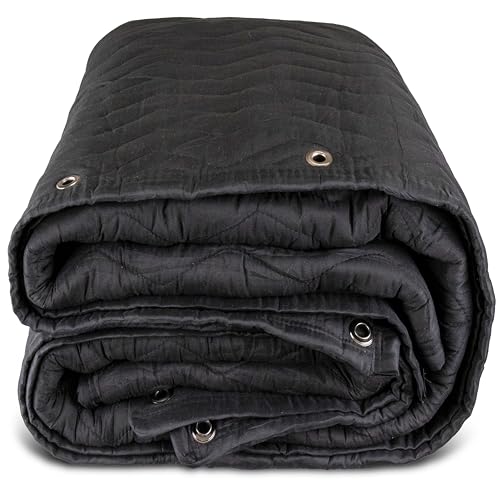
- 96-by-80-inch coverage
- NRC 0.35 for sound absorption
- 18 grommets and machine washable
Best For: Studios and large walls, windows, or doorways needing broad echo reduction
Best Everyday Curtain
NICETOWN Noise-Reducing Blackout Curtains
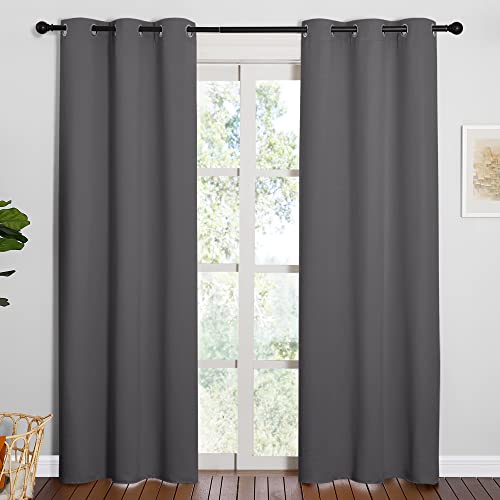
- Triple-weave polyester construction
- 85%–99% light and UV reduction
- Two 42-by-84-inch grommet panels
Best For: Everyday rooms needing blackout, thermal insulation, and modest noise reduction
Best Portable Barrier

- 96-by-80-inch portable blanket
- Grommets and loops for hanging
- Folds for storage and transport
Best For: Temporary studio, doorway, and moving applications needing a versatile barrier
Best Heavy-Duty Acoustic Curtains
Suvony Extra-Large Sound Blankets

- Oversized 96-by-80-inch panels
- Dense, weighted sound-dampening construction
- Grommets and straps support flexible installation
Best For: Studios and large openings needing portable coverage
Best Everyday Acoustic Curtains
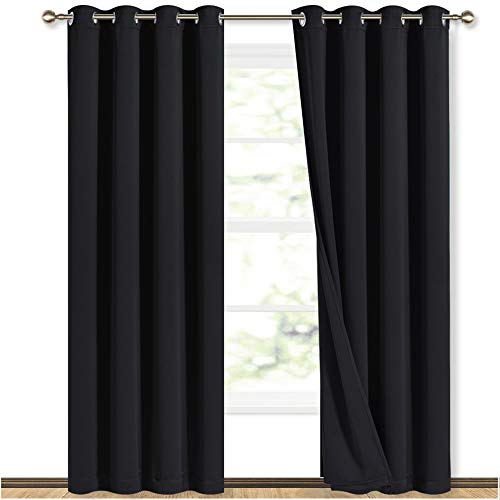
- Two-layer blackout and noise-reduction design
- Thermal insulation helps regulate temperature
- Grommets simplify standard-rod installation
Best For: Bedrooms and media rooms needing conventional blackout drapes
Single-Panel Coverage Pick
VEVOR 80 x 48 Soundproof Blanket

- 80-by-48-inch coverage
- Three-layer echo- and reflection-reducing design
- Grommets and straps simplify hanging
Best For: Doors, windows, home theaters, and projection areas
Large-Area Two-Pack Pick
VEVOR 96 x 80 Sound Dampening Blankets

- Two oversized panels for broad coverage
- Helps absorb echoes and reduce reflections
- Blackout fabric with grommets and straps
Best For: Large studios, music rooms, doors, and windows
Best Layered Pick – RYB HOME 3-in-1 Acoustic Curtains
These acoustic curtains combine blackout fabric with a detachable felt middle layer designed to absorb some annoying noise. The two-panel set is also thermally insulating, making it a practical option when you want darker, quieter, and more temperature-balanced surroundings.
Best For: Bedrooms, nurseries, and other spaces where blackout coverage and a removable sound-absorbing layer are useful.
Pros:
- Three-layer design includes a detachable felt fabric liner.
- Blackout construction helps block harsh light and UV rays.
- Thermal insulation can help reduce summer heat and winter chill.
- Machine washable after removing the felt liner.
Cons:
- Not 100% soundproof; noise reduction depends on the environment and listener.
- The set includes two panels with a total width of 104 inches, so measure carefully.
- The felt liner must be removed before washing.
Choose this set when you want the most curtain-like acoustic treatment among these options, along with strong light control. Its removable liner adds flexibility, but expectations should remain focused on sound absorption rather than complete soundproofing.
Best Large-Format Absorber – US Cargo Control Sound Blanket
This oversized acoustic blanket covers 96 by 80 inches and uses woven polyester filled with recycled cotton to absorb sound and reduce echoes. With 18 grommets, it can hang over walls, windows, doorways, or room divisions as a heavy-duty alternative to conventional acoustic curtains.
Best For: Studios, workshops, doorways, and large wall or window areas where broad sound-absorption coverage matters.
Pros:
- Large 96-by-80-inch format covers substantial areas.
- Recycled cotton filling provides sound absorption with an NRC rating of 0.35.
- Includes 18 grommets for flexible hanging orientation.
- Machine washable woven and quilted construction.
Cons:
- Designed for sound absorption, not sound blocking or complete soundproofing.
- At 12 pounds, it is heavier than typical curtain panels.
- Prolonged exposure to sunlight may cause fading or wear.
This is a strong choice when coverage and hanging flexibility are more important than a decorative curtain appearance. Its stated NRC rating and large surface area make it better suited to managing reverberation than stopping outside noise entirely.
Best Everyday Curtain – NICETOWN Noise-Reducing Blackout Curtains
These acoustic curtains use triple-weave polyester to reduce noise while blocking 85% to 99% of light and UV rays, with darker colors performing best for light control. The ready-made two-panel set also provides thermal insulation and fits standard rods through its 1.6-inch grommets.
Best For: Living rooms, home offices, bedrooms, and home theaters where conventional blackout curtains with some noise reduction are preferred.
Pros:
- Triple-weave fabric combines blackout, thermal, and noise-reducing functions.
- Two 42-by-84-inch panels are ready to hang.
- Six grommets per panel fit standard curtain rods.
- Machine washable and tumble dryable for straightforward care.
Cons:
- The unlined construction may provide less acoustic mass than layered curtains or blankets.
- Light blocking is listed as 85% to 99%, rather than complete blackout in every setting.
- Noise reduction is an added benefit, not full soundproofing.
For a normal window treatment with acoustic benefits, this is the most conventional option in the group. It prioritizes everyday appearance, light control, and temperature balance over the heavier sound absorption of a dedicated blanket.
Best Portable Barrier – VEVOR Sound Dampening Blanket
This 96-by-80-inch polyester blanket can hang as a blackout curtain, studio barrier, or protective cover using its metal grommets and loops. It folds for storage and transport, but the manufacturer describes its sound insulation as limited, so it is best viewed as a versatile barrier rather than a complete acoustic curtain solution.
Best For: Studios, moving areas, doors, furniture, and temporary setups that need portable light blocking or basic sound separation.
Pros:
- Large 96-by-80-inch surface provides broad coverage.
- Grommets and loops support hanging in multiple configurations.
- Folds freely for storage and portability.
- Water-resistant polyester fabric has sealed edges and double-lock Z-stitching.
Cons:
- Provides limited sound insulation and is mainly a protective barrier.
- Must be kept dry; prolonged dampness may cause odors or material damage.
- Only one blanket is included.
This option stands out for flexibility rather than maximum acoustic performance. Its portable design is useful for temporary partitions and light blocking, while buyers seeking meaningful echo control should consider a product with clearly specified sound-absorption performance.
Best Layered Acoustic Curtains – RYB HOME 3-in-1 Linen Curtains
These acoustic curtains combine a linen-textured front with a detachable felt liner and blackout backing. They are a practical choice for bedrooms or living rooms where you want noise reduction, strong light control, and added temperature insulation in one window treatment.
Best For: Bedrooms and living rooms needing blackout coverage, thermal insulation, and moderate noise reduction.
Pros:
- Three-layer design includes a detachable felt liner intended to absorb annoying noise.
- Blackout construction helps block harsh light and UV rays.
- Insulating design can help balance indoor temperatures in summer and winter.
- Includes two 52-inch-wide by 84-inch-long panels with grommet hanging.
Cons:
- Not completely soundproof; results vary by room and individual perception.
- The felt liner should be removed before machine washing.
- The linen-textured material is a 30% linen and 70% polyester blend rather than pure linen.
The RYB HOME curtains are a strong all-around option when window coverage matters as much as noise control. Their removable liner adds versatility, while the blackout and thermal features make them especially suitable for sleep spaces.
Best Heavy-Duty Acoustic Curtains – Suvony Extra-Large Sound Blankets
These oversized acoustic curtains are weighted sound-dampening blankets designed to cover doors, windows, or walls. Their dense construction and generous 96-by-80-inch size make them worth considering for studios, home offices, game rooms, and other spaces where portability and broad coverage are priorities.
Best For: Recording spaces, podcasts, home offices, and large openings requiring portable sound dampening.
Pros:
- Extra-large 96-by-80-inch panels provide substantial coverage.
- Dense nonwoven fabric and synthetic cotton filling are designed to absorb sound waves and vibrations.
- Each blanket includes nine metal grommets and straps for flexible hanging.
- Versatile design can also serve as a blackout curtain, moving blanket, furniture protector, or pet barrier.
Cons:
- Each blanket weighs 12.13 pounds, so installation may require sturdy support.
- The product may have an odor from enclosed shipping and needs ventilation after arrival.
- It is a sound-dampening solution, not a guarantee of complete soundproofing.
The Suvony blankets prioritize coverage and durability over a traditional curtain appearance. The two-panel set is particularly useful when you need to hang a temporary barrier across a large opening or move the panels between locations.
Best Everyday Acoustic Curtains – NICETOWN Blackout Drapes
NICETOWN’s two-layer acoustic curtains offer a more conventional drape design while helping reduce noise and block incoming light. The 52-by-84-inch panels are suited to bedrooms, living rooms, media rooms, and other areas where easy installation and everyday insulation are important.
Best For: Bedrooms, media rooms, and living spaces wanting traditional blackout curtains with noise-reduction features.
Pros:
- Two-layer construction blocks light and helps reduce noise.
- Thermal insulation helps regulate room temperature.
- Silver grommets fit standard curtain rods and simplify installation.
- Two 52-inch-wide by 84-inch-long panels provide 104 inches of total width.
Cons:
- Noise reduction is an added curtain feature rather than complete soundproofing.
- The black polyester design may not suit shoppers seeking a linen or decorative textured look.
- Care instructions advise against bleach and recommend low ironing or line drying.
For shoppers who want acoustic curtains that look and hang like standard window drapes, this NICETOWN set is a practical fit. It combines blackout coverage, thermal insulation, and noise reduction without the heavier blanket-style construction of studio panels.
Heavy-Duty Studio Pick – JZHLLA Sound Dampening Blanket
If you need acoustic curtains for a recording area, podcast setup, or home theater, the JZHLLA blanket provides a thick, versatile barrier for dampening noise and blocking light. Its 40-by-72-inch panel uses recycled fiberfill, weighs about 4 pounds, and can be hung using reinforced metal grommets.
Best For: Home studios, podcast rooms, gaming spaces, and DIY sound-dampening projects.
Pros:
- Thick polyester fabric and recycled fiberfill help absorb and dampen noise.
- Five heavy-duty metal grommets support flexible hanging arrangements.
- Can also serve as a blackout curtain, room insulation, or equipment protector.
Cons:
- It dampens and absorbs noise but does not block sound completely.
- The 40-by-72-inch size may provide limited coverage for larger windows or doors.
This is a practical choice when you want one durable panel for sound control, light reduction, and general room protection. Measure your opening first, since its compact size is best suited to smaller coverage areas.
Single-Panel Coverage Pick – VEVOR 80 x 48 Soundproof Blanket
For shoppers comparing acoustic curtains for a door, window, or temporary room divider, this VEVOR sound-dampening blanket offers broad 80-by-48-inch coverage. Its three-layer construction combines a polyester woven surface with recycled cotton filling to absorb echoes, reduce reflections, and block light.
Best For: Standard doors and windows, home theaters, projection spaces, and temporary darkrooms.
Pros:
- Large single-panel size covers broad areas with fewer seams.
- Quilted, double-stitched construction is designed for repeated hanging.
- Multiple metal grommets and woven straps allow installation with hooks, screws, or curtain rods.
- Dense black material provides effective light blocking.
Cons:
- It provides limited sound insulation and is primarily a protective barrier.
- It should be kept dry to help prevent odors and material damage.
This VEVOR panel is a useful middle-ground option for wider openings where light control matters as much as echo reduction. Its hanging hardware adds flexibility, but buyers should have realistic expectations about soundproofing performance.
Large-Area Two-Pack Pick – VEVOR 96 x 80 Sound Dampening Blankets
If you need acoustic curtains for a larger studio, music room, or bedroom, this VEVOR two-pack is designed to cover substantial areas with fewer seams. Each blanket measures 96 by 80 inches and combines a polyester woven surface with recycled cotton filling to absorb echoes, reduce reflections, and block some external noise.
Best For: Large windows, doors, studio spaces, music rooms, and blackout applications.
Pros:
- Two large panels provide wide coverage for expansive openings or spaces.
- Three-layer construction helps absorb echoes and reduce sound reflections.
- Blackout material helps create a darker environment for bedrooms, studios, or projections.
- Grommets and woven straps support hanging from hooks, screws, or curtain rods.
Cons:
- Sound insulation is limited, so the blankets should not be treated as complete soundproofing.
- The panels are not water-resistant and require spot cleaning.
- The two-pack weighs about 18.5 pounds, which may require sturdy mounting hardware.
Choose this set when coverage is the priority and you want both sound-dampening and blackout functionality. The large, heavy panels are well suited to permanent or semi-permanent installations, provided they are mounted securely and kept dry.
How We Picked the Best Acoustic Curtains
We selected products based on the features that matter most in practical room treatment: material weight, coverage area, grommet or panel design, light-blocking capability, thermal insulation, stated sound-dampening purpose, and installation flexibility. The list includes conventional curtain pairs as well as oversized acoustic blankets because both can help manage reflections and reduce perceived noise in the right setting.
It is important to set expectations. Most consumer Acoustic Curtains absorb or soften sound rather than fully soundproof a room. They work best when covering a large, well-sealed area and when combined with rugs, upholstered furniture, door seals, or acoustic panels.
Quick Comparison
| Best For | Look For | Typical Advantage |
|---|---|---|
| Windows and bedrooms | Two-panel blackout curtains | Cleaner appearance and easy daily use |
| Doors and studio openings | Heavy blankets with grommets | Large coverage and flexible hanging |
| Large walls | 96-by-80-inch blankets | More surface area for sound absorption |
| Shared living spaces | Insulated linen-style curtains | Noise control with a home-friendly finish |
Key Buying Factors for Acoustic Curtains
Coverage and Dimensions
Measure the opening before buying. For windows, allow extra width so the fabric can form folds when closed. For doors or walls, compare the blanket dimensions with the full area you want to cover, including overlap at the edges.
Weight and Construction
Heavier, multilayer products generally provide more sound absorption and light blocking than thin decorative curtains. Grommets are useful for hanging blankets on rods, hooks, or cable systems, but verify that your hardware can support the product’s weight.
Noise Control Versus Soundproofing
Look for “sound dampening,” “noise reducing,” or “acoustic” language rather than assuming a curtain will stop all sound transmission. These products are most useful for reducing high-frequency noise, echoes, drafts, and visual distractions; low-frequency noise and sound through walls usually require structural treatment.
Light, Insulation, and Appearance
Blackout and thermal layers can improve sleep, temperature comfort, and privacy. If the curtain will remain visible in a living area, choose a finish and color that suit the room rather than relying only on maximum thickness.
Who Should Buy Which Acoustic Curtains?
Choose a blackout curtain pair if you need a conventional window treatment for a bedroom, nursery, office, or living room. A heavy oversized blanket is usually better for a recording area, home theater, workshop, doorway, or temporary partition where coverage matters more than decorative styling.
For large openings, prioritize the 96-by-80-inch options or use multiple panels with overlap. For smaller openings, a compact grommeted blanket may be easier to install and reposition. If you want a balance of home appearance, privacy, and insulation, consider a multilayer linen-style or thermal curtain.
Before ordering, confirm the listed dimensions, mounting method, care instructions, and quantity included. Installing the fabric close to the opening, extending it beyond the edges, and leaving modest folds can improve real-world performance.