The right pop filter can make a dynamic microphone sound cleaner by reducing plosives, breath noise, and unwanted wind without changing your recording setup. Whether you use a Shure SM58, Blue Yeti, handheld vocal mic, or studio dynamic microphone, the best option depends on fit, material, and how you record.
We selected 10 microphone pop filters for dynamic microphones, including replacement foam covers, layered mesh designs, and larger isolation-style shields. Use the guide below to narrow the choices by microphone compatibility, protection level, and intended use.
Best 10 Microphone Pop Filters for Dynamic Microphones Picks for 2026
Best Adjustable Screen

- Dual-layer screen disperses plosive air pressure
- 360-degree gooseneck supports precise positioning
- Clamp fits many stands and tubular booms
Best For: Singers, streamers, and actors using a stand-mounted microphone
Best Multipack Foam Covers

- Five foam covers for handheld microphones
- Soft, elastic foam helps block moisture
- Useful for karaoke, interviews, and stage events
Best For: Shared handheld microphones and multi-mic environments
Best Classic Pop Screen
NEEWER Dual-Layer Microphone Filter

- Dual-layer screen reduces air blasts and plosives
- Adjustable steel gooseneck positions the filter
- Clamp mounts to many stands and booms
Best For: Vocal recording, streaming, and performance setups
Best SM58-Fit Foam Pair
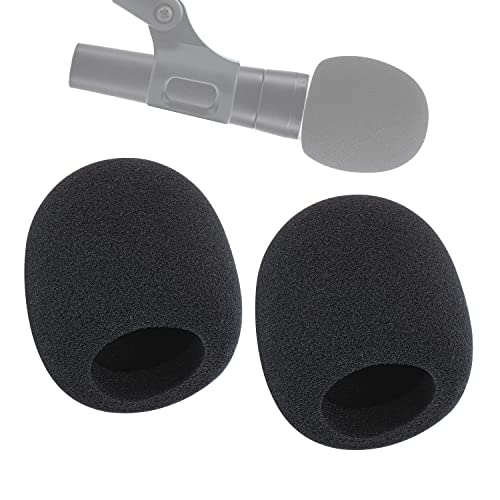
- Designed for Shure SM58 and similar handheld mics
- Thick foam reduces wind noise and plosives
- Washable covers help protect against moisture
Best For: SM58 owners, performers, and shared handheld microphones
Classic Studio Control

- Dual-layer nylon mesh reduces plosive pops
- Flexible 8-inch gooseneck
- Universal mic stand adapter
Best For: Traditional studio vocal setups
Three-Layer Mic Shield
Aokeo B-7 Three-Layer Pop Filter
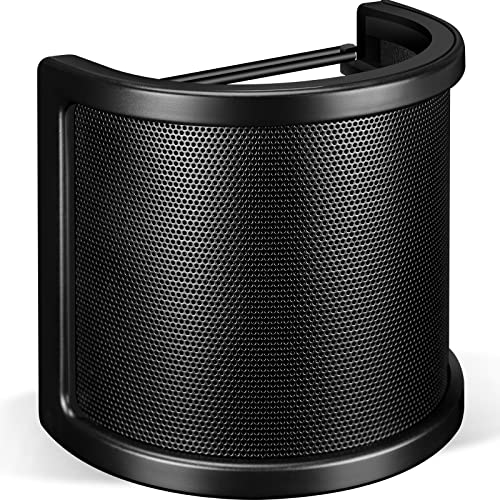
- Foam, metal mesh, and etamine layers
- Fits 45–63 mm microphone diameters
- Elastic-band and rubber-ring installation
Best For: Compatible streaming and vocal microphones
Enclosed Acoustic Coverage
Penypeal Microphone Isolation Ball

- Five-sided foam noise-reduction design
- Double-layer opening filter
- Fits 50–75 mm removable-jacket microphones
Best For: Recording setups needing broader acoustic coverage
Best Three-Layer Shield
PEMOTech Metal Mesh Pop Filter

- Three-layer foam, mesh, and etamine design
- Fits microphones measuring 45–61 mm
- Quick-fit bands and rubber inner ring
Best For: Vocal recording, streaming, and compatible microphones
Best SM58 Space-Saver
YOUSHARES SM58 Foam Pop Filter

- Designed for SM58-style ball microphones
- Reduces breath, wind, pops, and ticks
- Two foam covers included
Best For: SM58 users needing compact microphone protection
Best Replacement Pack

- Three-pack of elastic foam windscreens
- Fits listed SM58-family microphones
- Washable and designed to reduce plosives
Best For: Replacement coverage for vocal, podcast, and streaming mics
Best Adjustable Screen – Aokeo Dual-Layer Pop Filter
For creators comparing microphone pop filters for dynamic microphones, the Aokeo offers a dual-layer screen, flexible positioning, and a clamp designed for common microphone stands and tubular booms. Its two-screen design helps disperse air pressure from vocal plosives before it reaches the microphone.
Best For: Singers, streamers, and actors who want an adjustable screen-style filter for a home recording or performance setup.
Pros:
- Dual-layer screen helps reduce breath blasts and plosives.
- 360-degree steel gooseneck allows the filter’s angle and distance to be adjusted.
- Scratch-proof rotating clamp fits various tubular booms and microphone stands.
- Swivel mount supports straightforward installation, removal, and repositioning.
Cons:
- Requires a stand or boom with a compatible tubular mounting area.
- Its clamp-and-gooseneck design is less compact than a slip-on foam cover.
The Aokeo is a practical choice when positioning flexibility matters. It also helps protect the microphone from saliva, while the included warranty support adds reassurance for regular use.
Best Multipack Foam Covers – Mudder 5-Pack Mic Windscreens
The Mudder five-pack is a simple option for users seeking microphone pop filters for dynamic microphones in handheld applications. These ball-shaped foam covers slip over most standard handheld microphones and help limit moisture and saliva exposure during repeated use.
Best For: KTV, conferences, interviews, stage performances, and other settings where several handheld microphones need basic foam protection.
Pros:
- Includes five foam covers for shared equipment or replacements.
- Soft, elastic foam is designed to fit most standard handheld microphones.
- Helps protect microphones from saliva and moisture.
- Suitable for karaoke, interviews, conferences, and stage use.
Cons:
- Not intended for headset microphones.
- Arrives compressed and needs time to regain its shape.
- Foam covers provide less positioning control than a clamp-mounted screen.
Choose this set when quantity and quick slip-on protection matter more than fine-tuned filter placement. Its five-cover format is particularly useful for shared microphones or frequent replacements.
Best Classic Pop Screen – NEEWER Dual-Layer Microphone Filter
The NEEWER Professional Pop Filter is a conventional screen-style option among microphone pop filters for dynamic microphones. Its dual-layer construction is intended to reduce air blasts and vocal plosives, while the gooseneck and rotating clamp let you place the filter between the performer and microphone.
Best For: Vocalists, streamers, and actors who want a stand-mounted filter with adjustable reach and angle.
Pros:
- Dual-layer screen helps contain plosive air blasts.
- Steel gooseneck supports adjustable angle and microphone distance.
- Rotating clamp is designed for various microphone stands and booms.
- Swivel mount makes installation and repositioning easier.
Cons:
- Microphone is not included.
- Needs a compatible stand or boom for mounting.
- Less portable than a handheld foam windscreen.
The NEEWER suits a fixed or semi-permanent vocal setup where a dual-layer barrier and adjustable placement are more useful than a compact cover. It is a straightforward screen filter for recording and performance work.
Best SM58-Fit Foam Pair – WIBOND 2-Pack Mic Covers
The WIBOND two-pack is a convenient choice for handheld users comparing microphone pop filters for dynamic microphones. Made for the Shure SM58 and compatible with several other standard ball-type handheld models, these thick foam covers help reduce wind noise, soften plosives, and shield the microphone from moisture and debris.
Best For: Shure SM58 owners and performers who need washable, slip-on covers for stage, church, karaoke, speech, or outdoor use.
Pros:
- Designed to fit the Shure SM58 and several compatible handheld microphones.
- Thick foam helps reduce wind noise and harsh plosive sounds.
- Helps keep microphones cleaner by limiting saliva, moisture, dust, and grease exposure.
- Washable and supplied as a two-piece set.
Cons:
- Not suitable for headset microphones.
- Compressed packaging may leave temporary wrinkles or indentations.
- Slip-on foam does not offer the adjustable positioning of a gooseneck filter.
This pair is a sensible fit-specific solution for handheld dynamic microphones, especially the SM58. Its washable construction and two-cover format make it useful for regular performances and shared equipment.
Classic Studio Control – Samson PS04
For shoppers comparing microphone pop filters for dynamic microphones, the Samson PS04 is a straightforward studio option with a dual-layer nylon screen and an adjustable gooseneck. Its universal mic stand adapter makes positioning practical for vocal recording setups.
Best For: Studio users who want a traditional, stand-mounted pop filter with flexible positioning.
Pros:
- Dual-layer, 4.75-inch nylon mesh helps reduce plosive “P-pops.”
- Flexible 8-inch gooseneck allows easy position adjustment.
- Universal mic stand adapter supports use with most microphones in a studio setting.
- Steel construction is designed for durability.
Cons:
- Requires a compatible mic stand for mounting.
- The 4.75-inch screen is smaller than enclosed isolation-style filters.
The PS04 keeps the design simple and focused on plosive control. It is a sensible pick when you prefer a lightweight, adjustable filter rather than a larger acoustic enclosure.
Three-Layer Mic Shield – Aokeo B-7 Three-Layer Pop Filter
The Aokeo B-7 is a compact choice among microphone pop filters for dynamic microphones, using foam, metal mesh, and etamine layers to address plosives, breath sounds, wind interference, and crackles. Its elastic-band and rubber-ring mounting system is designed for microphones measuring 45 to 63 mm in diameter.
Best For: Vocalists, streamers, and content creators using a compatible handheld or studio microphone.
Pros:
- Three-layer construction combines foam, metal mesh, and etamine.
- Helps reduce plosives, breath sounds, wind interference, and crackles.
- Elastic bands and an inner rubber ring provide a quick, firm installation.
- Metal mesh helps keep saliva away from the microphone.
Cons:
- Only fits microphones with a stated diameter range of 45 to 63 mm.
- Does not fit the Blue Yeti according to the supplied product notes.
- Compatibility should be checked before purchase because the filter mounts directly to the microphone.
The B-7 offers more layered coverage than a basic mesh screen while avoiding a separate stand-mounted arm. Its main trade-off is fit: measure your microphone before choosing it.
Enclosed Acoustic Coverage – Penypeal Microphone Isolation Ball
For buyers seeking microphone pop filters for dynamic microphones with broader acoustic coverage, the Penypeal isolation ball surrounds much of the microphone with sound-absorbing foam. Its five-sided seal and double-layer opening are intended to reduce plosives, wind interference, saliva spray, noise, and reflections.
Best For: Recording, streaming, radio, and outdoor performance setups needing lightweight enclosed microphone coverage.
Pros:
- Five-sided foam design helps reduce noise from multiple directions.
- Double-layered opening filter targets plosives and divergent sound.
- Compatible with many XLR and USB microphones measuring 50 to 75 mm in diameter.
- Lightweight 120 g design can mount to desktop stands, tripods, boom arms, and floor stands.
Cons:
- Requires a removable microphone jacket within the stated 50–75 mm diameter range.
- Larger enclosed design may be less convenient than a simple front-mounted mesh filter.
- The supplied notes do not specify a universal fit for every dynamic microphone.
The Penypeal is the most coverage-oriented option in this group. Choose it when reducing surrounding noise and reflections matters as much as controlling vocal plosives, provided your microphone fits the holder.
Best Three-Layer Shield – PEMOTech Metal Mesh Pop Filter
For creators comparing microphone pop filters for dynamic microphones, the PEMOTech is a broad-fit option with a three-layer design. Its foam, metal mesh, and etamine layers are intended to reduce plosives, breath sounds, wind interference, and recording crackles while helping keep saliva away from the microphone.
Best For: Vocal recording, YouTube videos, streaming, and compatible microphones measuring 45–61 mm in diameter.
Pros:
- Three-layer construction combines foam, metal mesh, and etamine.
- Fits a stated 45–61 mm microphone diameter range.
- Elastic bands and an inner rubber ring support quick installation.
- Metal mesh and plastic frame help protect the microphone from saliva.
Cons:
- Not compatible with Blue Yeti microphones.
- Microphone is not included.
The PEMOTech is a practical choice when you want layered pop and wind protection in a compact, microphone-mounted design. Verify your microphone’s diameter before ordering, especially if you use a Blue Yeti.
Best SM58 Space-Saver – YOUSHARES SM58 Foam Pop Filter
If you need microphone pop filters for dynamic microphones and use a Shure SM58-style ball microphone, this YOUSHARES foam cover offers a simple alternative to a larger external filter. The acoustically transparent foam is designed to reduce breath and wind noise while helping limit pops and ticks.
Best For: Shure SM58, SM58S, SM58-LC, Beta58A, SM48, PGA48, and other listed ball-type microphones.
Pros:
- Designed specifically around the Shure SM58 form factor.
- Foam construction reduces breath and wind noise.
- Compact cover saves space compared with a regular pop filter.
- Two covers are included in the package.
Cons:
- Compatibility is focused on listed ball-type microphones.
- The microphone is not included.
- Covers may need time to regain their shape after being compressed in the package.
This two-pack makes sense for performers and streamers who want straightforward foam protection without adding a stand-mounted filter. Confirm that your microphone matches the listed SM58-style designs.
Best Replacement Pack – LEFXMOPHY SM58 Windscreen
For shoppers seeking microphone pop filters for dynamic microphones in a replacement format, the LEFXMOPHY windscreen is shaped for Shure SM58-family microphones and similar listed models. Its elastic foam cover is designed to block plosives, breath, and wind noise while helping protect the mic from dust and moisture.
Best For: SM58, SM48, Beta58A, PG48, PG58, 565, and other compatible vocal microphones used for performances, podcasts, vlogs, streaming, or field recordings.
Pros:
- Three black windscreens are included.
- Matches the original windscreen shape for listed compatible microphones.
- Elastic foam snaps onto the microphone and fits securely.
- Washable material can be reshaped with water after deformation.
Cons:
- Compatibility is limited to the listed microphone shapes and models.
- Microphone is not included.
The LEFXMOPHY is a useful replenishment pack for microphones that need fresh foam covers regularly. Its three-pack format and washable construction are particularly convenient for vocal, podcast, and streaming setups.
How We Picked These Microphone Pop Filters for Dynamic Microphones
We focused on products designed to reduce plosive bursts, breath sounds, wind, and light handling noise around dynamic microphones. The selection includes foam windscreens for handheld microphones, external pop filters for desk or stand-mounted setups, and multi-layer designs that combine metal mesh, foam, and fabric-like filtering materials.
Compatibility was another priority. Several options are shaped for popular microphones such as the Shure SM58, while others use a flexible mount or universal form intended for a wider range of microphones. We also considered pack size, installation simplicity, portability, and whether the design suits live performance, streaming, podcasting, voice-over work, or recording.
Quick Comparison
| Type | Best For | Main Advantage |
|---|---|---|
| Foam windscreen | Handheld and live microphones | Compact, inexpensive, and easy to replace |
| Mesh pop filter | Desk and studio recording | Effective plosive control with stand positioning |
| Layered cover | Speech, vocals, and variable environments | Multiple barriers against air bursts and wind |
| Isolation-style shield | Close-mic recording | Broader acoustic and airflow coverage |
Key Buying Factors
Fit and Microphone Compatibility
A windscreen should fit snugly without stretching excessively over the microphone grille or blocking important controls. SM58-specific covers are usually the safest choice for that microphone family, while universal shields are more flexible but may require careful positioning.
Foam, Mesh, or Layered Construction
Foam covers are convenient for stage use and outdoor speech because they surround the grille and help reduce wind. Mesh filters are better suited to fixed recording setups where you can position the filter a short distance in front of the microphone. Layered designs offer additional filtration, but they may be bulkier and can slightly affect high-frequency detail if they sit too close to the capsule.
Setup and Maintenance
Look for easy installation and washable or replaceable materials. Foam can collect moisture, dust, and makeup during frequent vocal use, so replacement packs are useful for performers and shared studios. External filters should have a stable mount and enough adjustment range to stay aligned with the microphone.
Recording Environment
Pop filters reduce air bursts; they do not replace acoustic treatment, noise isolation, or proper microphone technique. Maintain a consistent distance, aim slightly off-axis for strong plosives, and choose a larger shield when recording in a less controlled room.
Who Should Buy Which Microphone Pop Filters for Dynamic Microphones?
- For Shure SM58 owners: Choose a compatible foam replacement or SM58-shaped windscreen for the simplest fit.
- For singers and presenters: A compact foam cover is portable and practical for rehearsals, live use, and handheld recording.
- For streamers and podcasters: Select an adjustable mesh or layered external filter that can remain positioned on a desk stand or boom arm.
- For studio vocalists: A larger multi-layer or isolation-style filter can provide more consistent plosive protection during close-mic work.
- For frequent users: Consider a multipack or replacement-friendly design so a clean spare is always available.