Choosing the right multi-effects unit can simplify your rig, expand your sound, and save space on the board. The best guitar effects processors combine practical controls, solid amp and cab modeling, and enough presets to cover practice, recording, and stage use.
In this roundup, we focused on value, ease of use, sound quality, and features that matter most to real players—so you can quickly narrow down the right fit for your style and budget.
Best 10 Guitar Effects Processors Picks for 2026
Budget-Friendly Feature Pack
VALETON GP-200 Multi-Effects Guitar/Bass Pedal

- 240+ effects with 140 amp/cab simulations
- USB-C audio interface, FX loop, and MIDI support
- 256 presets and up to 11 simultaneous effect blocks
Best For: Players who want a versatile all-in-one processor with lots of effects and routing
Premium Touchscreen Modeler
HeadRush Flex Prime Multi-Effects Pedal
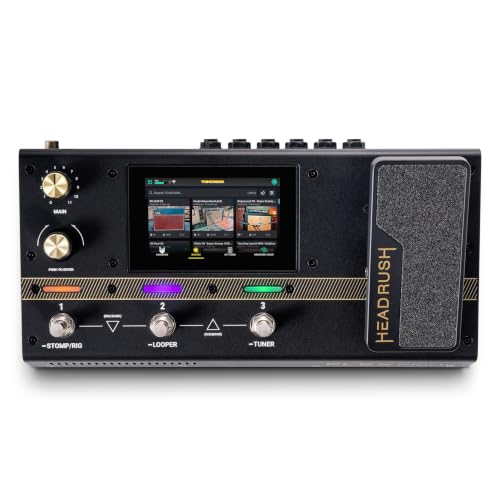
- 4" touchscreen with Wi-Fi remote editing
- 700+ emulations plus NAM support and cloud sharing
- USB audio interface, looper, and drum machine
Best For: Players who want advanced modeling, touchscreen editing, and cloud-based tone sharing
Hands-On All-In-One
BOSS ME-90 Guitar Multi-Effects Processor
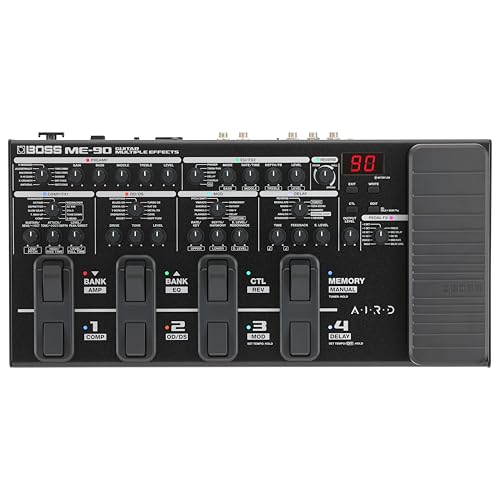
- Knob-based layout for fast, intuitive editing
- 11 AIRD amp models and 60 effects
- Battery power plus eight footswitches and expression pedal
Best For: Players who want an intuitive, performance-ready processor with classic BOSS tone shaping
Budget Practice Multi-Effects

- 80 preset patches and 80 user patches
- 66 effect types in 8 modules
- 180-second looper plus drum machine
Best For: players who want an affordable all-in-one practice and tone-building unit
Portable Starter Processor
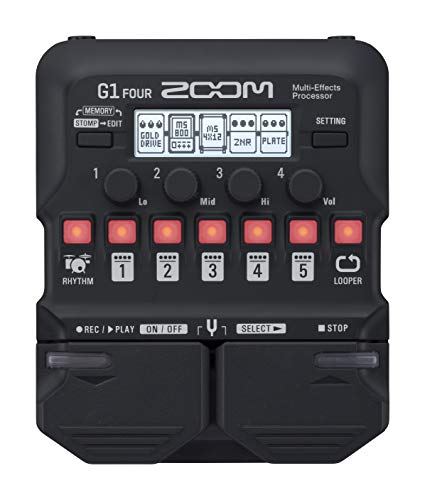
- 65 built-in effects and 13 amp models
- 30-second looper with 68 rhythm patterns
- USB editing with free Guitar Lab software
Best For: guitarists who want a compact battery-powered processor for practice
Smart Editing Multi-Effects
MOOER GE100Pro with AI Assistant

- 3.5-inch color display with Bluetooth and Type-C
- App and desktop editing with MOOER Cloud
- Supports MNRS, NAM A2, and third-party IR files
Best For: players who want modern editing tools and expanded tone libraries
Portable All-in-One Pick
SORAN Dual Stomp Multi Effects Guitar Pedals

- 99 presets with 11 modules
- 125 effects and dual expression pedal
- Rechargeable battery with USB audio
Best For: portable practice, looping, and USB recording
Practice and Songwriting Value
Zoom G1X Four Guitar Multi-Effects Processor

- 71 effects and 13 amp models
- 30-second looper and 68 rhythms
- Built-in expression pedal and software editing
Best For: practice, songwriting, and tone exploration
Advanced Control Pick
MOOER GE150 Pro Guitar Multi Effects Processor

- 200 presets and 170 effects
- Four footswitches with expression control
- USB OTG recording and 80-second looper
Best For: advanced players needing control and recording support
Budget-Friendly Feature Pack – VALETON GP-200 Multi-Effects Guitar/Bass Pedal
Valeton GP-200 Multi-Effects Processor for Guitar & Bass, Expression Pedal, MIDI, USB Interface
Check Price On AmazonIf you want one of the more feature-dense guitar effects processors without jumping to a flagship price tier, the VALETON GP-200 is built for that role. It combines amp modeling, IR cab simulation, stereo output, USB audio, and a flexible signal chain, so it can cover practice, recording, and live use from a single board-friendly unit.
Best For: Players who want a versatile all-in-one processor with lots of effects, presets, and connectivity.
Pros:
- 240+ built-in guitar, bass, and acoustic effects with 140 amp/cab sims
- Supports 20 third-party IRs, 256 presets, and up to 11 simultaneous effect blocks
- Includes FX loop, MIDI IN, EXP2 jack, and USB-C audio interface features
- Color LCD, 8 customizable footswitches, and free editor software for preset management
Cons:
- Its many options may take time to learn if you prefer simple stompbox-style controls
- Fixed 90-day free return window may be less reassuring than longer warranty coverage
The GP-200 stands out if you want breadth and routing flexibility more than a stripped-down interface. For guitarists and bassists who need a deep effects library plus recording and connectivity tools, it offers a lot of processor in one box.
Ultra-Portable Practice Rig – BOSS GX-1 Ultra-Portable Guitar Effects Processor
The BOSS GX-1 is aimed at players who want guitar effects processors that travel easily but still deliver a full effects and amp lineup. Its pocketable size, AIRD amp modeling, Bluetooth support, and straightforward controls make it a practical choice for learning, rehearsing, and building ready-to-play tones quickly.
Best For: Beginner-friendly players who want a compact processor with easy setup and strong BOSS sounds.
Pros:
- Ultra-portable design that fits easily in a guitar case or bag
- 23 amp types and over 140 BOSS effects with AIRD technology
- Color display, effect category buttons, and Gear Suite knob control simplify editing
- Includes 99 preset memories and 99 user memories for storing sounds
Cons:
- Less expansive than larger floor processors with deep routing and editing features
- Battery, USB bus power, or adaptor options are flexible, but not all setups will suit every player
The GX-1 is a strong fit if portability and ease of use matter more than maximum complexity. It gives you a compact way to access classic amp and effect coverage without a steep learning curve.
Premium Touchscreen Modeler – HeadRush Flex Prime Multi-Effects Pedal
For players shopping guitar effects processors with a modern touchscreen workflow and a huge model library, the HeadRush Flex Prime is built to go deep. It pairs a 4″ color touchscreen with 700+ premium emulations, NAM support, cloud access, and recording-friendly features, making it a capable option for studio work and serious tone editing.
Best For: Players who want advanced modeling, touchscreen editing, and cloud-based tone sharing.
Pros:
- 700+ premium emulations for guitar, bass, and acoustic gear
- 4″ touchscreen plus Wi-Fi Remote Web Editor for hands-on editing
- HeadRush Cloud access, preset/clone sharing, and Dropbox integration
- Built-in USB audio interface, looper with MIDI sync, and drum machine
Cons:
- More advanced feature set may be overkill for players who just want basic tones fast
- Relies on a more involved ecosystem of software and cloud tools for full use
The Flex Prime is best viewed as a modern tone workstation rather than a simple multi-effects box. If you want deep modeling, editing flexibility, and online tone expansion, it is one of the most capable options here.
Hands-On All-In-One – BOSS ME-90 Guitar Multi-Effects Processor
BOSS ME-90 Guitar Multi-Effects Guitar Processor | All-In-One Guitar Processor
Check Price On AmazonThe BOSS ME-90 is designed for guitarists who want a straightforward path to high-quality sounds in a compact multi-effects format. As one of the more practical guitar effects processors for live use, it combines knob-based editing, AIRD amp models, and a full set of performance controls without making the interface feel crowded.
Best For: Players who want an intuitive, performance-ready processor with classic BOSS tone shaping.
Pros:
- Hands-on knob-based layout makes sound creation fast and familiar
- 11 AIRD amp models and 60 effects from the GT-1000 platform
- Eight multi-function footswitches and redesigned expression pedal add control
- Battery-powered design plus BOSS Tone Studio support for editing
Cons:
- Patch memory is limited compared with some larger, more expandable processors
- Optional Bluetooth editing requires the separate adaptor
The ME-90 is a strong fit if you prefer quick access and dependable stage control over deep menu diving. It delivers a balanced mix of portability, familiar operation, and modern processing power.
Budget Practice Multi-Effects – MOOER GE100 with 80 Presets
If you’re comparing guitar effects processors for practice and tone-building on a budget, the MOOER GE100 gives you a lot to work with: 80 preset patches, 80 user patches, 66 effect types, and eight effect modules. It also adds a 180-second looper, a drum machine, and an adjustable output mode, so it can cover quiet home use, headphone practice, and direct line-out playing without an amp.
Best For: Players who want an affordable all-in-one effects processor for practice, looping, and building a personal patch library.
Pros:
- 80 preset patches plus 80 user patches for storing sounds
- 66 effect types across 8 modules for broad tone options
- 180-second looper and drum machine for solo practice
- Assignable expression pedal parameters for more control
Cons:
- Uses a more basic knob-and-screen control layout
- Needs a 9V adapter or 4 AA batteries for power
- Feature set is geared more toward practice than advanced studio editing
Overall, the GE100 is a practical choice if you want a straightforward multi-effects unit with plenty of built-in sounds and useful practice tools. Its value comes from packing preset storage, looping, rhythm support, and expression control into one compact unit.
Portable Starter Processor – Zoom G1 Four with Amp Models
The Zoom G1 Four is a compact option in guitar effects processors if you want a simple way to access a wide range of sounds. It includes 65 built-in guitar effects, 13 amp models, a 30-second looper, and 68 rhythm patterns, plus USB connectivity and free Zoom Guitar Lab software for Mac and Windows.
Best For: Guitarists who want a lightweight, battery-powered processor for everyday practice and quick tone editing.
Pros:
- 65 built-in effects and 13 amp models
- 30-second looper and 68 rhythm patterns
- USB support and free editing software for Mac/Windows
- Aux input and headphone/amp output for flexible practice
Cons:
- Looper is shorter than some larger processors
- Editing and navigation rely on a basic knob layout
- Battery-powered design may be less ideal for users who want a more pedalboard-style setup
In practice, the G1 Four is a solid pick when portability matters more than deep stage routing. It focuses on accessible effects, amp modeling, and easy practice features without making the unit complicated to use.
Smart Editing Multi-Effects – MOOER GE100Pro with AI Assistant
If you’re shopping for guitar effects processors with modern editing tools, the MOOER GE100Pro stands out for its 3.5-inch color display, Bluetooth audio input, Type-C connectivity, and app/software integration. It also supports deep tone management through MOOER Cloud, the desktop/mobile editing ecosystem, and compatibility with MNRS, NAM A2, and third-party IR files.
Best For: Players who want a feature-rich processor for stage use, mobile editing, and expanded tone libraries.
Pros:
- 3.5-inch color display with RGB lighting
- Mobile and desktop editing plus preset sharing through MOOER Cloud
- Supports MNRS, NAM A2, and third-party IR files
- 80-second stereo looper, 40 drum rhythms, and expression pedal
Cons:
- Powered by AC adapter rather than batteries in this version
- Feature set is more complex than basic practice units
- Designed around digital connectivity, so it may be more than needed for simple plug-and-play use
For players who want deeper control, the GE100Pro offers a more modern workflow than many basic multi-effects units. Its mix of AI-assisted tone creation, app support, and expandable IR compatibility makes it a strong fit for experimenting with sounds and managing presets efficiently.
Portable All-in-One Pick – SORAN Dual Stomp Multi Effects Guitar Pedals
If you want guitar effects processors that can move from practice to recording without needing a wall outlet, the SORAN Dual Stomp is built for that kind of flexible use. It combines a rechargeable battery, USB audio recording support, a color screen, and a wide effects library in a compact multi-effects format.
Best For: Players who want an all-in-one portable processor for practice, looping, and USB recording.
Pros:
- 99 presets with 11 simultaneous effect modules for layered tone building.
- 125 effects plus a dual-mode expression pedal for wah or volume control.
- 80 amp and cab models, with IR/NFILE import support for added customization.
- 40-second looper, 100 drum patterns, and 6-hour rechargeable battery runtime.
Cons:
- Very feature-dense, so it may take time to learn all the controls.
- Battery-powered operation is great for portability, but may not suit every pedalboard setup.
Overall, the SORAN Dual Stomp stands out as a practical pick for players who value portability and broad feature coverage in one unit. Its combination of recording support, looping, and amp modeling makes it a versatile choice for home use and mobile playing.
Practice and Songwriting Value – Zoom G1X Four Guitar Multi-Effects Processor
The Zoom G1X Four is a straightforward option in guitar effects processors if you want a compact unit focused on practice, tone variety, and easy hands-on control. It offers a useful mix of effects, amp models, rhythm patterns, and a built-in expression pedal for more interactive playing.
Best For: Guitarists looking for an affordable practice and songwriting processor with built-in expression control.
Pros:
- 71 built-in effects and 13 amp models for a broad range of tones.
- 30-second looper for layering riffs and testing ideas.
- 68 rhythm patterns make practice sessions feel more complete.
- Includes an expression pedal and supports patch editing in Zoom Guitar Lab.
Cons:
- Smaller feature set than newer high-end processors.
- Best suited to practice and songwriting rather than deep stage routing.
For players who want an easy way to explore tones without overcomplicating setup, the G1X Four covers the essentials well. Its looper, rhythms, and editing software give it strong value for daily practice and home creativity.
Advanced Control Pick – MOOER GE150 Pro Guitar Multi Effects Processor
The MOOER GE150 Pro is aimed at players who want guitar effects processors with more control options and a deeper preset library. With four multi-purpose footswitches, expression pedal functions, amp and cab modeling, and USB OTG recording support, it is built for both live control and modern home recording workflows.
Best For: Players who want advanced foot control, extensive presets, and recording connectivity.
Pros:
- 200 factory presets with 170 effects for wide tonal coverage.
- 55 amp models, 26 cab simulations, and 20 IR slots for customization.
- Four multi-purpose footswitches improve control during performance.
- 80-second looper, drum rhythms, and USB OTG recording support.
Cons:
- More complex than simpler multi-effects pedals, so setup may take time.
- Corded power on the standard model means less portability than battery units.
The GE150 Pro feels like a strong step up for players who want more hands-on flexibility from their processor. Its blend of presets, routing control, and recording features makes it a solid choice for both practice sessions and performance use.
How We Picked These Guitar Effects Processors
We prioritized sound quality, amp and cab modeling, preset flexibility, connectivity, and usability. For Guitar Effects Processors, the best options balance inspiring tones with fast editing, reliable switching, and features like USB recording, headphone practice, and expression control.
Quick Comparison
If you want a simple starter unit, look at compact models with fewer controls and straightforward preset handling. If you need a more complete rig replacement, choose a processor with deeper editing, IR support, MIDI, FX loops, or larger screens. Players who record at home should also pay attention to USB audio and cabinet simulation.
Key Buying Factors for Guitar Effects Processors
Sound Engine and Modeling
Look for convincing amp models, useful drive textures, and effects that sound good at bedroom volume and stage volume. IR cab simulation can make direct recording and PA use more consistent.
Controls and Workflow
A great tone is only helpful if you can reach it quickly. Simple layouts, dedicated footswitches, a readable display, and expression pedal support can make a big difference in live use.
Preset Capacity and Editing
More presets are helpful, but only if they are easy to organize and edit. Beginners may prefer preset-based operation, while experienced players often want deeper parameter control and scene-style flexibility.
Connections and Expansion
Check for headphone out, USB, stereo outputs, FX loop, MIDI, and external expression or footswitch options. These features help the unit fit practice setups, home studios, and pedalboard rigs.
Who Should Buy Which Guitar Effects Processors?
Beginners should focus on simple operation, good factory sounds, and portable form factors. Home recordists should prioritize USB audio, amp/cab modeling, and direct monitoring. Gigging players may want stronger foot control, stereo routing, MIDI, and broader patch flexibility. If you need a single device to cover multiple roles, the best Guitar Effects Processors are the ones that stay easy to use while still offering room to grow.