Finding the right standalone drum machine comes down to workflow, sound engine, and how much hands-on control you want. Some models focus on classic analog-style grooves, while others are better for sampling, pattern building, or portable beat sketching.
Below, we’ve grouped 10 strong options for different budgets and use cases so you can narrow your choice fast and buy with confidence.
Best 10 Standalone Drum Machine Picks for 2026
Flagship Roland Groove Hub

- ACB models of classic TR drum machines
- Import mono or stereo samples from SD card
- 128 kits, patterns, effects, and assignable outputs
Best For: Live performers and producers who want classic Roland sounds with modern sampling
Portable Digital Sketchpad

- Compact drum machine with built-in speaker
- Six-part DSP synth engine and waveguide resonator
- 16-step sequencer with Active Step and Slice
Best For: Portable beat-making and experimental percussion sounds
Studio Classic Workhorse
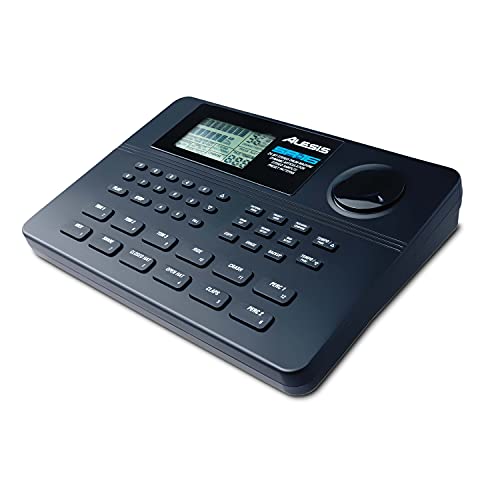
- 233 built-in sounds with 50 user kits
- 12 velocity-sensitive pads with Dynamic Articulation
- MIDI support and 4 stereo-pair outputs
Best For: Songwriters and performers who need a proven, easy-to-use drum machine
Analog Pocket Beat Box

- Real analog sounds with PCM support for clap/crash
- Electribe-style 16-step sequencer
- Built-in speaker, battery power, and sync I/O
Best For: Portable beginners and jammers who want quick analog-style beats
Hybrid Sampling Drum Machine
Behringer LM Hybrid Drum Machine
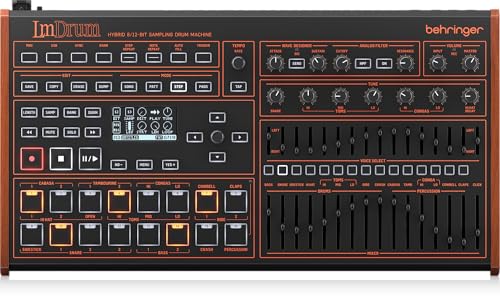
- Hybrid sampling drum machine format
- Compact desktop footprint
- Bass wood body with polished black finish
Best For: Producers who want a hybrid sampling drum machine with a compact hardware footprint
Portable Standalone MPC

- Battery-powered standalone operation
- 16 MPC pads with 2.4-inch color display
- Built-in speaker, microphone, and microSD storage
Best For: Beatmakers and DAWless creators who want a portable standalone MPC workflow
Analog Pattern Builder

- Analog drum machine with hands-on sequencing
- Separate accent per drum
- Song mode for chaining patterns
Best For: Beatmakers who want an analog drum machine with pattern chaining and performance controls
Portable Finger Drum Pad

- 18 velocity-sensitive performance pads plus 8 RGB assignable pads
- 48 preset kits with 50 user preset slots for custom sounds
- Built-in speaker, rechargeable battery, and USB MIDI/audio
Best For: Mobile beatmakers who want an all-in-one finger drum pad
Classic Analog Rhythm Box

- 15 analog drum sounds with a classic rhythm-box feel
- 34 rhythm presets and a 16-step sequencer
- Compact, durable alloy steel design
Best For: Users who want simple analog-style beat programming
Tabletop Drum Kit Machine
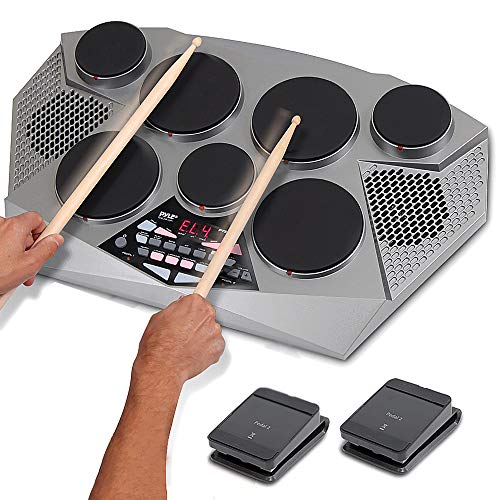
- 7 pads with hi-hat and kick pedal controllers
- 55 preset and 10 custom kits with over 300 sounds
- Drum trainer mode plus USB and AUX connectivity
Best For: Beginners who want a portable tabletop kit with pedals
Flagship Roland Groove Hub – TR-8S Rhythm Performer
If you want a standalone drum machine that can cover classic TR sounds and modern sample-based production, the Roland TR-8S is built for that job. It combines detailed ACB models of iconic Roland drums with sample import, customizable effects, and deep pattern control for performance and studio use.
Best For: Producers and live performers who want classic Roland drum sounds, sample import, and hands-on control in one machine.
Pros:
- ACB models of the TR-808, 909, 707, 727, 606, and CR-78
- Import your own mono or stereo samples via SD card
- 128 kits and patterns for flexible songwriting and performance
- Assignable outputs plus USB audio and MIDI for broader studio integration
Cons:
- More complex than a basic standalone drum machine
- May be more than you need if you only want simple beat programming
The TR-8S stands out when you need a single drum machine that can move from vintage TR character to custom sample kits without changing hardware. Its saved effects and performance-focused workflow make it especially useful for live sets and finished productions.
Portable Digital Sketchpad – Volca Drum
Korg Volca Drum Digital Percussion Synthesizer w/ 16-step Sequencer and Active Step
Check Price On AmazonThe Korg Volca Drum is a compact standalone drum machine for building unusual percussion patterns quickly. Its six-part DSP engine, waveguide resonator, and sequencing tools give you a lot of sound-shaping options in a small, portable format with a built-in speaker.
Best For: Musicians who want a small, affordable standalone drum machine for experimental beats and portable sketching.
Pros:
- Compact design with a built-in speaker for portable use
- 16-step sequencer with Active Step and Slice functions
- Six-part DSP synth engine for a wide range of drum sounds
- Randomize functions and accent control add pattern variation
Cons:
- Auxiliary-only connector limits connectivity compared with larger units
- Sound design leans more experimental than traditional drum machine tones
As a standalone drum machine, the Volca Drum is appealing when portability and sound experimentation matter more than a large feature set. It is a practical pick for quick rhythm ideas, live jams, and compact setups.
Studio Classic Workhorse – SR-16 Drum Machine
The Alesis SR-16 is a straightforward standalone drum machine aimed at writers, performers, and remix work. It offers a large built-in sound library, velocity-sensitive pads, MIDI support, and production features like sound stacking and step editing for dependable beat creation.
Best For: Songwriters and players who want a proven standalone drum machine with broad sound selection and simple studio integration.
Pros:
- 233 professional sounds with 50 preset and 50 user kits
- 12 velocity-sensitive pads with Dynamic Articulation
- Full MIDI support for keyboards, computers, DAWs, and electronic drum kits
- 4 stereo-pair outputs plus footswitch jacks for performance control
Cons:
- Older design compared with newer feature-rich drum machines
- Less focused on deep synthesis or sample import
The SR-16 remains relevant because it keeps the workflow direct while offering a substantial sound library and flexible connectivity. If you want a dependable standalone drum machine for writing and live backing patterns, it still makes practical sense.
Analog Pocket Beat Box – Volca Beats
Korg Volca Beats Analog Rythem Machine w/Electribe-style 16-step Sequencer and Real Analog Sounds
Check Price On AmazonThe Korg Volca Beats is a compact standalone drum machine built around real analog sounds and a simple 16-step workflow. It is designed for quick beat creation, with sync options, pattern memory, and a stutter effect that can add movement to straightforward rhythms.
Best For: Beginners and portable performers who want an easy standalone drum machine with real analog character.
Pros:
- Real analog sounds inspired by classic rhythm machines
- Electribe-style 16-step sequencer for fast programming
- SYNC In/Out and MIDI In support external control and clocking
- Built-in speaker and optional battery power improve portability
Cons:
- Minimal parameters keep sound design fairly simple
- Eight memory patches may feel limited for larger setlists
The Volca Beats is a strong choice when you want a compact standalone drum machine that stays immediate and playable. Its analog sound set and portable design make it useful for sketching ideas, jamming, and simple live setups.
Hybrid Sampling Drum Machine – Behringer LM Hybrid Drum Machine
If you want a standalone drum machine that mixes hands-on beat making with sampling, the Behringer LM Hybrid Drum Machine is built around that hybrid approach. Its bass wood body, polished black finish, and compact desktop size make it a straightforward hardware option for creating and shaping rhythms without adding much bulk to your setup.
Best For: Producers who want a hybrid sampling drum machine with a compact hardware footprint.
Pros:
- Hybrid sampling drum machine design gives you both drum-machine workflow and sample-based possibilities.
- Compact desktop dimensions make it easier to place in a home studio or live rig.
- Solid bass wood construction with a polished black finish.
- Relatively manageable 3240 g weight for a hardware unit of this type.
Cons:
- The supplied notes do not list detailed sound-shaping or connectivity features.
- Not the most feature-transparent choice if you want to compare specs line by line.
Overall, the LM is best viewed as a practical standalone drum machine for users who value hybrid sampling in a simple, hardware-first format. If your priority is a compact machine that can live on the desk and focus on beat creation, it fits that brief well.
Portable Standalone MPC – Akai Professional MPC Sample
The Akai Professional MPC Sample is a strong pick if you want a standalone drum machine-style workflow in a portable sampler. It combines battery power, built-in speaker and microphone, and the familiar MPC pad layout so you can sample, chop, sequence, and build beats without needing a computer or DAW.
Best For: Beatmakers and DAWless creators who want a portable standalone MPC workflow.
Pros:
- Complete standalone operation with rechargeable battery, built-in speaker, internal microphone, and microSD storage.
- 16 responsive MPC pads plus a 2.4-inch full-color display for hands-on beat making.
- Over 100 factory kits and features like Instant Sample Chop Mode, timestretch/repitch, and resampling with FX.
- Useful I/O for studio and live setups, including stereo line in/out, headphone out, MIDI, sync out, and USB-C audio/MIDI.
Cons:
- MIDI DIN connectivity requires a 1/8-inch to MIDI DIN adapter, which is not included.
- More of a portable sampler and sequencer than a traditional drum machine layout.
For creators who want an all-in-one hardware box, this MPC Sample brings a lot of standalone flexibility in a compact format. It is especially appealing if you value quick sampling, portable beat making, and a workflow that stays usable away from the computer.
Analog Pattern Builder – Arturia DrumBrute Impact
The Arturia DrumBrute Impact is a standalone drum machine for players who want an analog, pattern-based approach to rhythm. With separate accent per drum, song mode for chaining patterns, and optional Color sound shaping on most instruments, it is geared toward shaping grooves in a direct hardware workflow.
Best For: Beatmakers who want an analog drum machine with pattern chaining and performance controls.
Pros:
- Analog drum machine design focused on hands-on rhythm programming.
- Separate accent per drum adds expressive control while building patterns.
- Song mode helps chain patterns into longer arrangements.
- Optional Color sound-shaping expands tone control across most instruments.
Cons:
- Color shaping is not available on the Cowbell.
- The supplied notes do not include broader sampling or digital feature sets.
If you want a straightforward standalone drum machine with performance-friendly sequencing tools, the DrumBrute Impact keeps the focus on groove and movement. Its analog approach and pattern chaining make it a strong fit for players who want immediate rhythm programming rather than a sample-based workstation.
Portable Finger Drum Pad – Yamaha FGDP-50
If you’re looking for a standalone drum machine that travels easily, the Yamaha FGDP-50 is built for quick finger drumming, sketching beats, and playing without a computer-heavy setup. It combines velocity-sensitive pads, built-in sounds, a speaker, and battery power so you can create anywhere.
Best For: Finger drummers and mobile beatmakers who want an all-in-one portable pad with onboard sounds.
Pros:
- 18 performance pads plus 8 RGB assignable pads for expressive playing and layering
- 48 preset drum kits and 50 user preset slots for custom kit creation
- Built-in speaker and rechargeable battery make it easy to jam on the go
- USB audio/MIDI support with DAW integration and Rec’n’Share compatibility
Cons:
- More of a finger-drum pad than a traditional tabletop drum machine
- Compact layout may suit beat sketching better than full-kit drumming
- Best experienced with a good grasp of pad-based performance controls
As a portable standalone drum machine, the FGDP-50 stands out for mobility and expressive pad control rather than old-school step sequencing. It is a strong pick if you want to build beats fast, save custom kits, and play anywhere without extra gear.
Classic Analog Rhythm Box – Behringer RD-78
If you want a standalone drum machine with classic analog character, the Behringer RD-78 keeps the focus on hands-on beat building. With 15 drum sounds, 34 rhythm presets, and a 16-step sequencer, it is designed for quick programming and straightforward live use.
Best For: Producers and performers who want an affordable analog-style drum machine with simple sequencing.
Pros:
- 15 authentic drum sounds for classic analog-style rhythms
- 34 rhythm presets to get ideas moving quickly
- 16-step sequencer for programming custom patterns
- Compact alloy steel build for studio or live use
Cons:
- Sound set is limited compared with more expansive modern drum machines
- Designed for simplicity, so it may not suit users wanting deep feature menus
- No mention of battery power or onboard speaker for ultra-portable use
The RD-78 is a practical choice if your priority is classic drum machine workflow over maximum flexibility. It gives you the core tools for beat creation in a compact, durable format that fits both production and performance.
Tabletop Drum Kit Machine – Pyle PTED06.5
The Pyle PTED06.5 is a standalone drum machine alternative for players who want a tabletop electronic kit with pedals and lots of built-in sounds. It includes 7 drum pads, hi-hat and kick pedal controllers, plus preset and custom kits for practice, recording, and casual performance.
Best For: Beginners and home players who want a portable tabletop kit with a full drum-set feel.
Pros:
- 7 pads plus hi-hat and bass pedal controllers for a more complete kit layout
- 55 preset and 10 custom preloaded drum kits with over 300 sounds
- Built-in drum trainer learning mode for practice and skill building
- USB connectivity for MIDI-style computer connection and AUX input for flexibility
Cons:
- Larger tabletop layout may be less convenient than a compact pad-style machine
- Requires either AC power or batteries rather than having a rechargeable battery listed
- Best suited to practice and casual use rather than a dedicated pro sequencing workflow
If you want a standalone drum machine-like setup that feels closer to a full kit, the PTED06.5 offers a lot of sounds and a beginner-friendly learning mode. Its pedals and preset library make it a versatile pick for home drumming and portable practice.
How We Picked These Standalone Drum Machine Options
We focused on beat-making tools that work without needing a computer to get started, plus models with proven sequencing, practical sound selection, and performance-friendly controls. We also considered portability, expandability, and whether the unit suits studio production, live use, or casual jamming.
Quick Comparison: What Each Type Does Best
Some picks are built for classic drum-machine workflow and immediate programming. Others lean into sampling, hybrid synthesis, or pad-based triggering. If you want vintage-style rhythm patterns, analog-inspired machines are a strong fit. If you need broader sound design or sample handling, a sampler-based option may be the better Standalone Drum Machine for your setup.
Key Buying Factors for a Standalone Drum Machine
Sound Engine
Choose between analog, digital, hybrid, or sample-based designs. Analog often delivers punchy, immediate tones; digital can offer more flexibility; hybrid and sample-based models give you more range for modern production.
Sequencing and Workflow
Look for step sequencing, pattern chaining, mute/solo functions, and real-time performance controls. A clear workflow matters more than raw feature count if you plan to build beats quickly.
Connectivity
Check for MIDI, USB, audio outs, and sync options if you want to integrate with synths, pedals, or a DAW later. Even a Standalone Drum Machine should fit easily into a larger rig.
Portability and Power
If you make music on the move, battery power, built-in speakers, or a compact footprint can be decisive. Studio users may prefer larger controls and better I/O instead.
Who Should Buy Which Standalone Drum Machine?
Producers who want deep programming and polished performance control should prioritize advanced machines with strong sequencing and sound-shaping tools. Beginners and budget buyers may prefer simpler units with a limited but usable library and straightforward controls. If you want the most flexible beat tool, consider a hybrid or sampler-based model; if you want classic drum programming and fast results, a dedicated rhythm machine is usually the better fit.
In short, the best Standalone Drum Machine is the one that matches your workflow: fast and tactile for live jams, flexible for production, or compact and portable for sketching ideas anywhere.