Choosing a portable microphone preamp can make a bigger difference than many buyers expect. The right unit adds clean gain, improves clarity, and helps dynamic or ribbon mics perform more consistently.
Below, we focus on practical options for creators, musicians, and mobile recording setups, with an eye on noise, compatibility, power, and overall value.
Best 10 Portable Microphone Preamp Picks for 2026
Compact Recording Interface

- 1 XLR mic preamp and 1 Hi-Z input
- 120dB dynamic range, 24-bit/192kHz
- Air mode adds presence to vocals/guitars
Best For: Solo creators who want a compact USB interface with one good mic preamp
Tube Color Preamp

- 12AX7 tube preamp with XMAX input stage
- Tube drive control adds saturation
- Mic and instrument inputs with phantom power
Best For: Users who want a compact single-channel tube preamp with DI flexibility
Heritage Mic Preamp
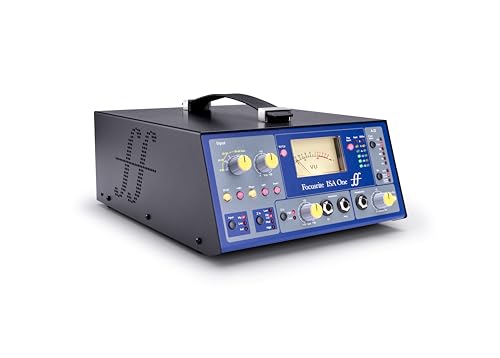
- Lundahl transformer-based mic preamp
- Four switchable input impedances
- Independent DI, headphone out, and VU meter
Best For: Engineers wanting a rugged standalone preamp with classic character
Inline Mic Booster

- Up to +29dB clean gain for low-output mics
- Built for dynamic and ribbon microphones
- Requires 48V phantom power from host gear
Best For: Users with quiet dynamic mics who need a simple inline gain boost
Ultra-Clean Single-Channel Booster
Cloudlifter CL-25 Mini Mic Activator
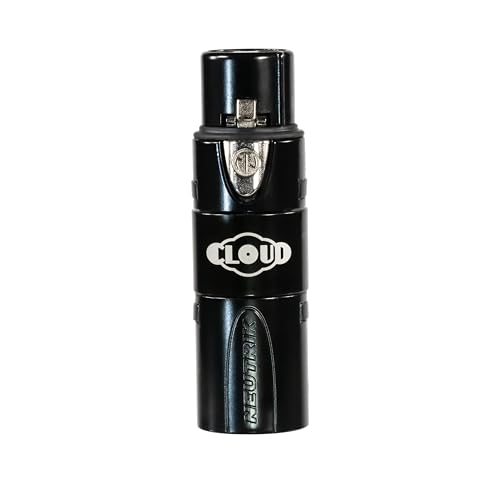
- Up to +25dB boost for passive mics
- Uses phantom power without passing it through
- Compact metal build for portable use
Best For: single-mic podcasting, streaming, and clean home-studio gain
Portable Multi-Input Preamp

- -120dB EIN for low-noise recording
- Type-C powered for mobile use
- Works with mics and instruments
Best For: mobile creators who need flexible inputs and low-noise gain
Dual-Channel Clean Gain Box

- Dual-channel boost for two mics
- +25dB clean gain for dynamic and ribbon mics
- Compact metal housing with XLR I/O
Best For: dual-mic podcasting, home studios, and live sound
Inline Dynamic Booster
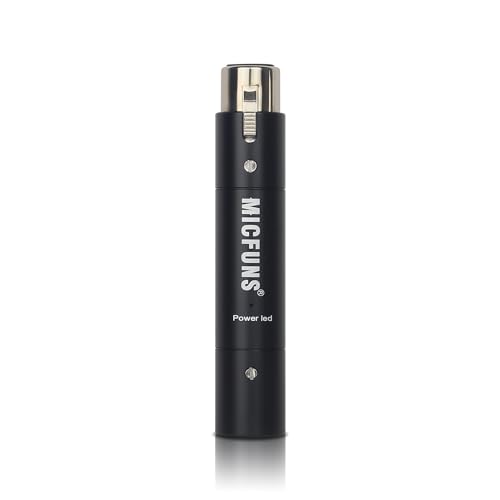
- 28 dB gain for passive mics
- Needs 48V phantom power from another device
- Metal housing helps reduce interference
Best For: Dynamic and passive ribbon microphones needing a compact in-line boost
Studio-Grade Signal Boost

- +25 dB gain for dynamic and ribbon mics
- Balanced XLR input/output with 48V compatibility
- Compact metal chassis helps shield noise
Best For: Home studios, podcasts, live streaming, and mobile recording
Balanced Clean Gain

- 20 dB clean, transparent gain
- Supports dynamic and condenser microphones
- Compact black metal case reduces interference
Best For: Vocal recording, podcasting, and live streaming
Compact Recording Interface – Scarlett Solo 4th Gen
If you want a portable microphone preamp-style solution for simple home recording, the Scarlett Solo 4th Gen is built for quick plug-and-play use with a mic and guitar. It delivers 24-bit/192kHz recording, a 120dB dynamic range, and improved Air mode for added vocal and guitar presence.
Best For: Solo singers, songwriters, and guitarists who want a compact USB interface with a clean mic preamp and easy recording workflow.
Pros:
- 1 XLR mic preamp plus 1 Hi-Z instrument input for straightforward recording setups
- 120dB dynamic range and 24-bit/192kHz support for high-fidelity capture
- Improved Air mode adds presence and harmonic drive to vocals and guitars
- Includes software and plugins for recording, mixing, and mastering
Cons:
- Only one mic input, so it is not suited to multi-mic recording
- More of an interface than a standalone preamp
The Solo 4th Gen is a strong choice if your priority is a portable microphone preamp setup that stays simple without sacrificing sound quality. It fits best when you need a compact all-in-one tool for songwriting and basic studio work.
Tube Color Preamp – PreSonus TubePre v2
The PreSonus TubePre v2 is a portable microphone preamp option for users who want tube flavor in a compact box. Its 12AX7 tube stage, XMAX solid-state input stage, and tube drive saturation control let you add color while keeping the signal chain flexible.
Best For: Musicians and creators who want a single-channel tube preamp/DI with basic front-end controls for mic or instrument recording.
Pros:
- 12AX7 tube-based preamp with XMAX solid-state input stage
- Tube drive saturation control for added color
- Separate mic and instrument inputs with phantom power
- Includes HP filter, -20 dB pad, and polarity reverse
Cons:
- Single-channel design limits multi-source use
- Heavier than a simple inline booster at 3 pounds
If you want a portable microphone preamp with more character than a plain clean boost, the TubePre v2 is appealing. It is best when you need one flexible channel and value tube saturation controls over ultra-minimal size.
Heritage Mic Preamp – Focusrite ISA One
The Focusrite ISA One is a portable microphone preamp built for users who want classic transformer-based sound in a rugged desktop chassis. It includes a Lundahl LL1538 transformer, switchable impedance, an independent DI, and a built-in headphone output for monitoring.
Best For: Engineers and performers who want a flexible, high-quality standalone mic preamp with DI, metering, and monitoring features.
Pros:
- Transformer-based ISA design with Lundahl LL1538 input transformer
- Four selectable input impedances, including the original ISA110 setting
- Independent DI channel with routing options and separate XLR output
- Headphone output, insert point, and VU meter for more complete studio control
Cons:
- More expensive and feature-heavy than a basic inline preamp
- Optional A-D converter card adds complexity if you want digital output
The ISA One is a strong fit when a portable microphone preamp needs to act like a serious front-end device, not just a gain booster. Its extra routing, metering, and impedance options make it especially useful for detailed recording workflows.
Inline Mic Booster – StudioMan DPM1
The StudioMan DPM1 is a portable microphone preamp booster designed specifically for low-output dynamic and ribbon microphones. It adds up to +29dB of clean gain using 48V phantom power from the interface or mixer, helping raise level before noise becomes a problem.
Best For: Podcasters, streamers, and live or studio users with quiet dynamic mics who need more clean gain without replacing their interface.
Pros:
- Provides up to +29dB of clean, transparent gain
- Designed for dynamic microphones and ribbon mics
- Compact metal build helps with durability and interference shielding
- Works in standard XLR chains with 48V phantom power supplied by the host device
Cons:
- Not for condenser microphones
- Requires 48V phantom power to operate
The DPM1 makes sense when you need a portable microphone preamp style inline boost for a quiet dynamic mic and want a simple signal improvement. It is a focused tool rather than a general-purpose preamp, but that specialization is exactly what makes it useful.
Ultra-Clean Single-Channel Booster – Cloudlifter CL-25 Mini Mic Activator
If you need a portable microphone preamp for a weak dynamic or passive ribbon mic, the Cloudlifter CL-25 is built to add clean gain without changing the mic’s natural character. It uses 48V phantom power from your interface or preamp, but does not pass phantom power through to the microphone itself.
Best For: Podcasters, streamers, voiceover users, and home-studio recordists who want a simple, ultra-clean gain boost for a single mic.
Pros:
- Provides up to +25dB of clean boost for passive mics.
- Helps reduce noise while improving clarity and signal strength.
- Compact, metal-bodied design that fits studio or live setups.
- Compatible with tube, battery, or power-supply-driven microphones.
Cons:
- Single-channel design only handles one microphone.
- Requires phantom power from a compatible source to operate.
- Not intended to power condenser mics through the unit.
The CL-25 is a straightforward pick if your main goal is cleaner level from a quiet mic rather than extra features. It keeps the workflow simple and is especially appealing when you want a portable microphone preamp-style boost for podcasting or recording.
Portable Multi-Input Preamp – RO03 Ultral Low Noise Booster
The RO03 is a portable microphone preamp option for users who want flexible input support and a very low-noise boost in a compact, Type-C powered unit. It is designed for dynamic, condenser, and ribbon microphones, plus instruments, and the updated version focuses on practical gain range and cleaner real-world performance.
Best For: Budget-conscious creators and mobile recordists who need one compact booster for vocals, instruments, and interface connections.
Pros:
- Updated noise performance with EIN rated at -120dB.
- Gain range of 19~66dB is designed to be practical in real use.
- Type-C power improves portability for outdoor or mobile recording.
- Supports mic and instrument inputs, with 1MΩ impedance on the instrument input.
Cons:
- The two input ports cannot be used at the same time.
- Best results are recommended via TRS line input rather than XLR input to an interface.
- More complex than a simple single-purpose mic booster.
For buyers who want maximum flexibility in a small footprint, the RO03 stands out with its input options and upgraded low-noise tuning. It is a practical choice if your portable microphone preamp needs also include instrument recording and mobile power convenience.
Dual-Channel Clean Gain Box – StudioMan CL-200 2-CH Preamp
If you want a portable microphone preamp that can handle two dynamic or passive ribbon mics at once, the StudioMan CL-200 delivers a +25dB clean boost in a compact metal housing. It runs on 48V phantom power from compatible gear and is aimed at keeping the signal strong while avoiding the hiss that often comes from pushing interface gain too far.
Best For: Small studios, podcast setups, and live sound users who need a dual-channel gain booster for passive mics.
Pros:
- Dual-channel design supports two microphones simultaneously.
- Provides +25dB ultra-clean gain for dynamic and passive ribbon mics.
- Low THD+N and high EIN are tuned for transparent sound.
- Balanced XLR I/O supports longer cable runs on the output side.
Cons:
- Does not support condenser microphones.
- Requires 48V phantom power from connected gear.
- Short XLR cable is recommended from mic to booster.
The CL-200 is the most convenient pick here if you need to boost two mics at once without adding color to the sound. It makes sense for users who want a portable microphone preamp solution with a stronger channel count and clean, transparent operation.
Inline Dynamic Booster – M1 In-line Mic Preamp
If you need a portable microphone preamp for a dynamic mic or passive ribbon, the M1 is built to add 28 dB of gain while keeping the signal clean. It uses phantom power from your mixer, preamp, or audio interface, and its dedicated output buffer is designed to help with long cable runs and reduce RF interference, buzz, and hum.
Best For: Dynamic and passive ribbon mic users who want a compact in-line gain boost for stage or studio use.
Pros:
- 28 dB gain for low-output dynamic and ribbon microphones
- Dedicated output buffer helps drive long cable runs
- Rugged metal housing helps reject noise and electrical interference
- Works for stage setups and studio recording
Cons:
- Requires 48V phantom power from another device
- Not a standalone preamp solution
The M1 is a straightforward signal booster if your main goal is to get more level from a passive mic without adding obvious coloration. Just make sure your audio chain can provide phantom power before you buy.
Studio-Grade Signal Boost – CL-100 XLR Preamp
The StudioMan CL-100 is a portable microphone preamp designed for dynamic microphones and passive ribbon mics that need a cleaner lift than a basic interface input can provide. It offers +25 dB of gain, balanced XLR input/output, and phantom-power compatibility, making it a practical choice for home studios, podcasts, live streaming, and mobile recording.
Best For: Dynamic and ribbon mic users who want a compact XLR preamp for studio, broadcast, or live sound setups.
Pros:
- +25 dB clean gain for low-level microphones
- Balanced XLR I/O for easy integration with audio gear
- Supports 48V phantom power for compatible setups
- Compact metal chassis with EMI/RFI shielding
Cons:
- Designed specifically for dynamic microphones and passive ribbons
- Requires the rest of your chain to support XLR routing
With its compact metal build and balanced connections, the CL-100 is aimed at users who want a practical, low-noise gain stage without a bulky desktop unit. It fits well when portability and clean signal handling matter more than extra features.
Balanced Clean Gain – Mic Preamp with 48V Power
This portable microphone preamp is a simple option for users who want 20 dB of clean, transparent gain with a fully balanced circuit design. It supports both dynamic and condenser microphones, includes 48V power, and uses a black metal case to help reduce EMC interference for cleaner recordings.
Best For: Vocal recording, podcasting, and live streaming when you want compact, low-noise gain for dynamic or condenser microphones.
Pros:
- 20 dB gain with balanced amplification circuitry
- Works with both dynamic and condenser microphones
- Fully balanced design aims for ultra-low noise
- Compact metal case helps block interference
Cons:
- Less gain than some competing mic boosters
- Feature set is basic compared with larger preamps
If you want an uncomplicated gain stage that stays portable, this model focuses on clean amplification rather than extra controls. It is a sensible pick for users who value transparency and broad microphone compatibility.
How We Picked the Best Portable Microphone Preamp
For this roundup, we prioritized clean gain, low noise performance, portability, and ease of use. We also looked at whether each Portable Microphone Preamp suits common real-world setups such as dynamic microphones, condenser microphones, ribbon microphones, and direct recording needs. Build quality, connection options, and power requirements mattered too, since many buyers need something reliable for both studio and mobile use.
Quick Comparison
At a high level, the list includes simple in-line gain boosters, more feature-rich preamps with phantom power, and interface-style options for users who need recording flexibility. Some products are best for adding transparent gain to a weak dynamic mic signal, while others are better for musicians who want onboard monitoring, DI support, or broader input/output options.
Key Buying Factors for a Portable Microphone Preamplifier
Gain and Noise Floor
Look for enough clean gain to bring low-output microphones up to a usable level without adding hiss. For spoken-word recording and quiet vocals, a low noise floor is especially important.
Microphone Compatibility
Not every Portable Microphone Preamp works the same way. Some are built mainly for dynamic and ribbon microphones, while others also support condenser mics and instruments. Check whether phantom power is included if you plan to use condenser microphones.
Power and Portability
In-line boosters are compact and easy to carry, but they typically depend on phantom power from another device. Interface-style or standalone models may be more versatile, though slightly bulkier.
Connections and Workflow
Match the preamp to your setup. XLR-only units are simple and robust, while models with DI features, headphone monitoring, or XLR/TRS I/O can serve more recording and performance scenarios.
Build Quality
For travel, stage use, or frequent setup changes, sturdy metal housing and reliable connectors are worth paying for. These details reduce failure points and make the device easier to trust on the road.
Who Should Buy Which Portable Microphone Preamp?
If you want the cleanest possible gain boost for a dynamic or ribbon mic, an in-line preamp is usually the most compact choice. If you need a more complete recording hub, a USB interface or a higher-end standalone unit is a better fit. Buyers seeking the most flexibility should focus on models that combine low-noise amplification with phantom power, instrument support, and practical monitoring features.
In short, the best Portable Microphone Preamp is the one that matches your microphone, power source, and recording workflow—not just the one with the highest gain on paper.