Choosing the right optical studio compressor can make a mix feel smoother, more controlled, and more polished without sounding overly compressed.
Below, we’ve rounded up 10 standout options for tracking, mixing, stereo bus work, and hybrid studio setups, with a focus on musical response and practical value.
Best 10 Optical Studio Compressor Picks for 2026
Classic Rack-Style Control

- CHT constant headroom technology
- 10-LED gain-reduction display
- True bypass in a compact enclosure
Best For: Players wanting a simple, transparent pedal compressor
Transparent Optical Shaping
Jackson Audio Blossom Optical Compressor

- Transparent optical limiting circuit
- Blend control for natural attack
- Tilt EQ plus 9V-18V operation
Best For: Players seeking transparent compression with tone-shaping control
Multi-Voice Studio Utility
ART Solo VLA Multi-Voice Compressor

- Mastering-quality signal path
- Optical isolators with variable blend
- Selectable tube or solid-state voices
Best For: Studio users needing a flexible, high-quality compressor
Tube-Enhanced Optical Control
Heritage Audio Tubesessor Optical Tube Compressor

- Optical tube compressor with saturation
- Transformer-balanced I/O
- Multiple sidechain filter settings
Best For: Dedicated studio setups needing compression and tube color
Dual/Stereo Dynamics Workhorse
ART SCL2 Dual/Stereo Compressor/Limiter
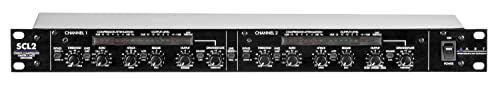
- Dual-channel or linked stereo operation
- Balanced TRS and XLR inputs
- Auto/manual attack and release controls
Best For: engineers needing flexible stereo dynamics control
Premium Analog Opto Valve
Antelope Audio A4-1B Optical Tube Compressor

- Warm analog signal path with custom transformers
- Fully variable compression controls
- DAW plugins support automation and remote control
Best For: producers wanting analog tone with DAW automation
Classic Single-Channel Punch
Warm Audio WA76 Discrete Compressor

- Single-channel classic-style compressor
- Fully discrete signal path
- CineMag USA transformers and all-buttons-in mode
Best For: users wanting classic compressor character in one channel
Hybrid FET/Optical Control
Black Lion Audio B172A FET/Optical Compressor

- Hybrid FET/optical compressor design
- 76 2A circuits with independent switching
- Stereo linking for paired-channel use
Best For: Recording and mixing with flexible stereo control
Stereo Bus Glue
Warm Audio Bus-Comp 2-channel Stereo VCA Bus Compressor

- Two-channel stereo VCA bus compressor
- Five ratios with side chain input filter
- CineMag transformers included
Best For: Mix bus compression for recording and audio mixing
Rackmount Utility
dbx 266xs Professional Audio Compressor/Gate

- Compressor/gate for studio and live use
- XLR and TRS I/O for flexible hookup
- Overeasy and AutoDynamic compression controls
Best For: Portable, tour, and studio dynamic control
Classic Rack-Style Control – MXR Studio Compressor
The MXR Studio Compressor is a compact optical studio compressor-style pedal built for players who want clear gain control without a heavy footprint. Its CHT constant headroom technology is aimed at keeping compression clean and transparent, while the 10-LED gain-reduction display makes settings easy to judge at a glance.
Best For: Guitarists who want a straightforward studio-style compressor with clear visual feedback and true bypass.
Pros:
- CHT constant headroom technology for clean, clear performance
- Ten gain-reduction status LEDs help you dial in compression quickly
- True bypass for cleaner signal handling when the effect is off
- Compact Phase 90-sized enclosure fits easily on a pedalboard
Cons:
- No blend or multi-voice controls for more advanced shaping
- Requires corded electric power, so it is not battery-focused
Overall, this is a practical pick if you want a no-nonsense compressor with a studio flavor and simple controls. It focuses on transparent performance rather than extra features, which makes it easy to integrate into a basic board setup.
Transparent Optical Shaping – Jackson Audio Blossom Optical Compressor
The Jackson Audio Blossom Optical Compressor is built around a transparent optical limiting circuit inspired by vintage studio compressors. It focuses on subtle, natural compression with a flat frequency response, plus blend and tilt EQ controls for dialing in how much compression you hear and how it sits in the mix.
Best For: Players who want an optical studio compressor with flexible tone shaping and a natural feel.
Pros:
- Optical limiting circuit for transparent, natural compression
- Blend control helps keep attack and clean signal intact
- Tilt EQ adds practical bass/treble shaping options
- Operates from 9V to 18V DC for added headroom at 18V
Cons:
- More controls may be unnecessary if you want a very simple compressor
- High compression settings may require careful volume management to avoid clipping
This is a strong choice when you want compression that stays out of the way but still gives you useful control over tone and balance. It should appeal to players looking for a studio-minded optical compressor rather than a color-heavy effect.
Multi-Voice Studio Utility – ART Solo VLA Multi-Voice Compressor
The ART Solo VLA Single Channel Multi-Voice Compressor is aimed at studio users who want a mastering-quality signal path with flexible compression character. Its optical isolator section, variable blend, and selectable tube or solid-state voice make it a practical optical studio compressor for a more configurable setup.
Best For: Studio engineers and recording users who want a multi-voice compressor with optical and blend options.
Pros:
- Mastering-quality audio signal path for studio use
- Selectable multi-voice tube or solid-state control
- OPTO analog optical isolators for compression duties
- Variable blend and +4dBu/-10dBV level modes add flexibility
Cons:
- Not a compact pedal-style unit
- Feature set is more studio-oriented than plug-and-play simple
If you want more than a basic compressor, this model offers useful routing and voicing options for recording work. Its strengths are flexibility and signal-path quality, making it better suited to a studio rack or desktop workflow.
Tube-Enhanced Optical Control – Heritage Audio Tubesessor Optical Tube Compressor
The Heritage Audio Tubesessor Optical Tube Compressor is a 1-channel optical compressor with transformer-balanced I/O and a built-in tube saturation section. It is designed for users who want optical compression plus additional harmonic shaping and sidechain flexibility in a heavier-duty studio unit.
Best For: Engineers who want an optical studio compressor with tube saturation and advanced sidechain options.
Pros:
- 1-channel optical tube compressor design
- Transformer-balanced I/O for studio integration
- Multiple sidechain filter settings expand control
- Tube saturation section adds extra color options
Cons:
- Large, heavy hardware is not suited to portable use
- May be more compressor than a casual user needs
This is the most feature-rich option in the group for users who want compression with added analog character. It makes the most sense in a dedicated studio setup where size and weight are less of a concern than sonic flexibility.
Dual/Stereo Dynamics Workhorse – ART SCL2 Dual/Stereo Compressor/Limiter
The ART SCL2 is a practical optical studio compressor choice if you need flexible stereo or dual-channel control in a rack-friendly format. It combines compression, limiting, expansion, and gating with balanced TRS/XLR connections, making it useful for mix bus, stereo processing, or paired channels where precise level control matters.
Best For: engineers who want a dual-channel compressor/limiter with linked stereo operation and extra dynamics control.
Pros:
- Dual-channel or linked stereo operation for flexible studio routing
- Balanced 1/4-inch TRS and XLR inputs for straightforward integration
- Selectable auto/manual attack and release for more control
- LED level meters help with quick visual monitoring
Cons:
- Does not emphasize a tube or vintage character in the supplied details
- Rack hardware may be more than some small setups need
Overall, the SCL2 is best viewed as a utility compressor for studios that value flexibility over coloration. If you want a single unit that can handle stereo work and dynamics shaping beyond compression alone, it is a solid, practical pick.
Premium Analog Opto Valve – Antelope Audio A4-1B Optical Tube Compressor
The Antelope Audio A4-1B is a high-end optical studio compressor built for controlled, musical compression with a warm analog signal path. Its fully variable attack, release, gain, threshold, and ratio controls, plus DAW integration and automation, make it especially appealing when you want both hands-on hardware feel and modern mix workflow support.
Best For: producers and engineers who want a warm optical tube compressor with DAW control and automation.
Pros:
- Analog signal path with custom UK transformers and warm sound profile
- Fully variable attack, release, gain, threshold, and ratio controls
- DAW integration through VST3/AAX/AU plugins for automation
- Sidechain processing with frequency-selective controls
Cons:
- Premium feature set suggests a more specialized, higher-end purchase
- Multiple workflow options may be more than a simple compressor-only setup needs
This model stands out if you want the convenience of modern control without giving up an analog compression path. For studios that value detailed shaping and remote automation, it offers a very capable optical compressor package.
Classic Single-Channel Punch – Warm Audio WA76 Discrete Compressor
The Warm Audio WA76 is a single-channel studio compressor designed around a classic ’76-style approach, with a fully discrete signal path and custom CineMag USA transformers. If your goal is fast, reliable dynamics control for professional audio applications, this unit is built to deliver that familiar style of compression in a straightforward rack format.
Best For: engineers looking for a classic-style single-channel compressor with discrete components and transformer color.
Pros:
- Fully discrete signal path for classic compressor behavior
- Custom CineMag USA transformers included
- Supports the famous all-buttons-in ratio setting
- Built for professional audio applications
Cons:
- Single-channel design may not suit stereo tasks
- No optical or DAW-control features in the supplied details
For users who want a recognizable classic compressor format, the WA76 is the most traditional option in this roundup. It is a strong fit when you need one channel of assertive, proven compression rather than added workflow features.
Hybrid FET/Optical Control – Black Lion Audio B172A FET/Optical Compressor
The Black Lion Audio B172A is an optical studio compressor with a hybrid FET/optical design, making it a flexible option for recording and mixing tasks where you want compression character plus routing options. Its 76 2A circuits, A/B-B/A-independent switching, and stereo linking give it a more advanced control set than a basic single-mode compressor.
Best For: Engineers who want a hybrid compressor for studio recording, mixing, and stereo-linked processing.
Pros:
- Hybrid FET/optical design for versatile compression use.
- 76 2A circuits with A/B-B/A-independent switching.
- Stereo linking supports paired-channel processing.
- Built for recording and mixing applications.
Cons:
- Heavier unit at 17.9 pounds.
- May be more complex than a straightforward one-knob compressor.
Overall, the B172A stands out if you want an optical studio compressor with extra flexibility and stereo workflow features. It is aimed at users who need more than basic dynamics control in a corded, rack-style studio setup.
Stereo Bus Glue – Warm Audio Bus-Comp 2-channel Stereo VCA Bus Compressor
The Warm Audio Bus-Comp is a two-channel stereo VCA bus compressor built for audio mixing and recording, especially when you want to shape a full mix rather than a single track. With five ratios, a side chain input filter, and CineMag transformers, it is geared toward practical stereo bus compression duties in the studio.
Best For: Mix engineers looking for a stereo bus compressor for mixing and recording.
Pros:
- Two-channel stereo design for bus compression.
- Five ratio options for flexible control.
- Side chain input filter adds mix-shaping utility.
- CineMag transformers are included as a listed feature.
Cons:
- Not an optical compressor; it uses VCA design.
- Heavier, larger hardware may take more rack space and desk planning.
If you are comparing an optical studio compressor against a stereo bus tool, the Bus-Comp is better understood as a mix-bus processor with analog character and routing flexibility. It fits users who need a dedicated stereo compressor for audio mixing and recording.
Rackmount Utility – dbx 266xs Professional Audio Compressor/Gate
The dbx 266xs is a professional compressor/gate designed for portable, tour, and studio use, with XLR and TRS I/O that make it easy to fit into many signal chains. It uses Overeasy compression and AutoDynamic attack and release controls, so it is aimed at smooth, musical dynamics shaping rather than specialty coloration.
Best For: Studio and live users who need a versatile compressor/gate with flexible connectivity.
Pros:
- XLR and 1/4-inch TRS inputs and outputs for broad compatibility.
- Overeasy compression and AutoDynamic controls for smooth operation.
- Side chain insert supports tighter low-end and frequency control.
- LED metering helps with setup and gain reduction monitoring.
Cons:
- It is a compressor/gate, not a dedicated optical studio compressor.
- Single rack-space design may be less expandable for larger setups.
The 266xs is a practical choice when you need dynamic control, gating, and easy integration in one rack unit. For users prioritizing utility and clear visual feedback, it offers a straightforward studio-ready workflow.
How We Picked These Optical Studio Compressors
We focused on units that deliver believable optical-style dynamics control, useful feature sets, and strong real-world studio flexibility. That meant looking at sound character, channel count, stereo linking, DAW or remote integration, build quality, and whether each compressor suits tracking, mixing, or bus processing.
We also considered how easy each unit is to integrate into a modern setup. Some buyers want a simple analog box for vocal leveling, while others need a more advanced Optical Studio Compressor for mastering-style chain work or hybrid recall workflows.
Quick Comparison
In broad terms, single-channel compressors are best for vocals, bass, and lead sources; dual-channel and stereo units are better for buses, overheads, and linked processing; and rack-style VCA or FET designs tend to offer a different flavor than true optical models. If you want smooth gain riding with minimal pumping, optical designs are often the safest bet. If you want more aggressive control or faster grab, non-optical alternatives in this roundup may still be worth considering.
Key Buying Factors for an Optical Studio Compressor
Compression Character
Optical compressors are valued for their program-dependent response and natural leveling. Look for a unit that matches your source: gentle and transparent for vocals, richer and more colored for mix bus duties, or more versatile if you need one compressor for multiple roles.
Channel Count and Stereo Linking
One channel is enough for tracking a single source, but stereo-linked compression matters for drum overheads, keyboards, and mix bus chains. If you work in stereo often, choose a unit that links cleanly and tracks evenly.
Workflow and Recall
Hardware controls, DAW integration, sidechain options, and automation support can make a big difference in hybrid studios. If you revisit sessions often, recall-friendly features may be just as important as sonic character.
Headroom, Noise, and Build
A good compressor should handle hot studio levels without unwanted distortion or hiss. Reliable metering, sturdy knobs, and solid rack construction are especially important for daily use.
Who Should Buy Which Optical Studio Compressor?
If you mainly record vocals or bass, a straightforward single-channel Optical Studio Compressor is usually the best starting point. If you mix in stereo or process buses, prioritize dual-channel units with linking and consistent behavior. Engineers who want color and character may prefer tube-enhanced or hybrid designs, while buyers who need precision and fast control may be better served by VCA or FET alternatives.
For the best balance of smooth compression, usability, and long-term studio value, choose the model that fits your workflow first, then match the sonic flavor to the source material you compress most often.