The right microphone preamp for podcasting can make a quiet dynamic microphone sound cleaner, fuller, and easier to record without pushing your mixer or interface to its limits.
We selected 10 options covering high-gain boosters, inline activators, portable adapters, and multi-input preamps so you can match the upgrade to your microphone, recording device, and budget.
Best 10 Microphone Preamp for Podcasting Picks for 2026
Best Budget Low-Noise Pick

- Up to 66dB of usable gain
- -120dBV EIN specification
- XLR, TRS, TS, and Type-C connectivity
Best For: Budget-conscious podcasters needing substantial clean gain
Best Inline Booster
Cloudlifter CL-1 Mic Activator

- Adds up to 25dB of gain
- Uses phantom power without passing it to passive mics
- Built for quiet dynamic and ribbon microphones
Best For: Podcast setups using low-output passive microphones
Best Mobile Setup
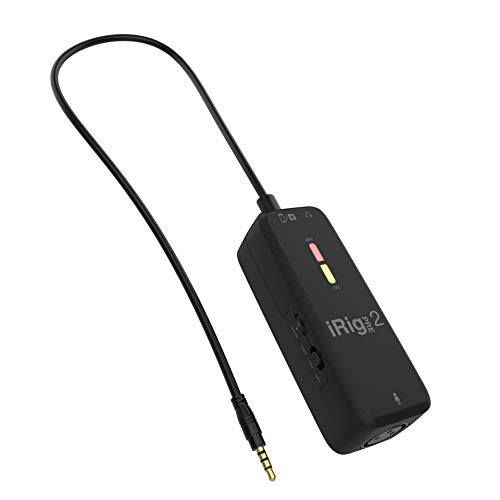
- XLR input with true +48V phantom power
- Direct headphone monitoring
- Works with phones, tablets, cameras, and apps
Best For: Mobile podcasting, streaming, and camera-based recording
Best Simple Inline Gain
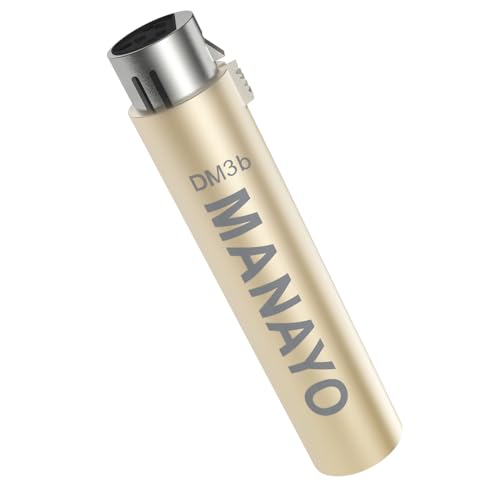
- Adds 28dB of gain
- Designed for dynamic and passive ribbon mics
- Simple single-channel XLR design
Best For: Basic gain boosting with a compatible podcast microphone
High-Gain Versatility

- Up to 75dB clean gain
- 48V phantom power for dynamic and condenser mics
- Balanced XLR plus dual 3.5mm outputs
Best For: Flexible podcast and home-recording setups
Compact Simplicity

- Clean 20dB gain boost
- 48V power for dynamic and condenser mics
- Compact black metal housing
Best For: Portable home studios and simple podcast rigs
Dual-Channel Dynamic Mic Boost

- Two channels with +25dB clean gain
- Designed for dynamic and passive ribbon mics
- Balanced XLR I/O with low-noise performance
Best For: Two-mic podcasts using dynamic microphones
Best All-Rounder
Rechargeable 48V Microphone Preamp

- 20dB balanced gain
- Works with dynamic and condenser mics
- Compact metal design with low-noise circuitry
Best For: Flexible home, podcasting, and streaming setups
Best for Dynamic Mics

- +25dB clean gain
- Balanced XLR input and output
- Compact EMI/RFI-shielded metal housing
Best For: Dynamic-mic podcast and home-studio chains
Best High-Gain Adapter
StudioMan DPM1 Dynamic Mic Preamp

- +29dB clean gain
- Built for dynamic and ribbon microphones
- Compact plug-and-play XLR metal adapter
Best For: Low-output dynamic-mic podcast setups with 48V phantom power
Best Budget Low-Noise Pick – RO03 66dB Mic Preamp
If you need a versatile microphone preamp for podcasting, the RO03 offers up to 66dB of gain, an EIN of -120dBV, and support for dynamic, condenser, and ribbon microphones. Its Type-C power input also suits portable recording setups.
Best For: Podcasters and creators who want high gain, low reported noise, and instrument-input flexibility on a budget.
Pros:
- 19–66dB gain range with a stated -120dBV EIN.
- Works with dynamic, condenser, and ribbon microphones.
- Includes XLR, TRS, and TS connectivity plus Type-C power.
- 1MΩ instrument input is better suited to DI use.
Cons:
- The two input ports cannot be used simultaneously.
- The manufacturer recommends connecting to an interface’s TRS line input for the lowest noise.
- It is a single-channel unit.
The RO03 is a feature-rich choice when you need more gain than a basic interface provides. For the cleanest results, follow the recommended TRS connection guidance and use the appropriate cable.
Best Inline Booster – Cloudlifter CL-1 Mic Activator
The Cloudlifter CL-1 is an inline microphone preamp for podcasting designed to add gain to quiet passive microphones. It uses phantom power to provide up to 25dB of boost while preventing phantom power from reaching the microphone itself.
Best For: Podcasters using quiet dynamic or passive ribbon microphones with an interface or mixer that supplies phantom power.
Pros:
- Adds up to +25dB of microphone gain.
- Designed to reduce unwanted noise and improve clarity.
- Compatible with passive ribbons as well as tube- and battery-powered microphones.
- Suitable for podcasting, streaming, radio, live sound, and studio recording.
Cons:
- Requires standard +48V phantom power.
- It is intended for passive microphones rather than supplying a broad set of preamp features.
- Provides one channel with XLR connections.
The CL-1 is a straightforward signal booster rather than a full-featured interface. It makes the most sense when your existing preamp or mixer needs additional clean gain for a low-output passive microphone.
Best Mobile Setup – iRig Pre 2 Mobile Mic Adapter
For recording away from a desktop, the iRig Pre 2 is a compact microphone preamp for podcasting with an XLR input, adjustable gain, true +48V phantom power, and headphone monitoring. It connects microphones to phones, tablets, Android devices, and DSLR cameras.
Best For: Mobile podcasters, streamers, and video creators who need direct headphone monitoring and broad device compatibility.
Pros:
- Supports dynamic, condenser, and ribbon microphones.
- Provides true +48V phantom power for compatible condenser microphones.
- Offers direct headphone monitoring with no stated latency or echo.
- Works with iPhone, iPad, Android devices, cameras, and common apps.
Cons:
- It is a single-channel adapter rather than a multichannel interface.
- Power requires two included AA batteries.
- Its reported signal-to-noise ratio is 60dB.
The iRig Pre 2 prioritizes portability and simple monitoring over extensive desktop controls. It is a practical option for creators who record podcasts or voice content directly to mobile devices or cameras.
Best Simple Inline Gain – MANAYO DM3 28dB Booster
in-line microphone preamp for Dynamic and Passive Ribbon Microphones (UPGRADE BRASS)
Check Price On AmazonThe MANAYO DM3 is a compact inline microphone preamp for podcasting that adds 28dB of gain to dynamic and passive ribbon microphones. Its XLR connection makes it a simple addition between a compatible microphone and audio interface or mixer.
Best For: Streamers and podcasters who need a basic inline gain boost for a dynamic or passive ribbon microphone.
Pros:
- Provides a stated 28dB gain boost.
- Designed for dynamic and passive ribbon microphones.
- Uses a straightforward XLR connection.
- Compatible with audio interfaces and mixers.
Cons:
- It is limited to one channel.
- It does not list support for condenser microphones or additional controls.
- The supplied specifications report a 28dB signal-to-noise ratio.
The DM3 keeps the job focused: adding gain to compatible low-output microphones. Choose it when simplicity matters and your existing interface or mixer can provide the rest of your recording functionality.
High-Gain Versatility – JCANOL MIC-1
For creators seeking a flexible microphone preamp for podcasting, the JCANOL MIC-1 combines up to 75dB of gain with very low-noise performance. Its phantom power, balanced XLR output, and additional 3.5mm connections make it adaptable to studio and portable recording setups.
Best For: Podcasters and home-recording users who need substantial gain for dynamic microphones plus multiple output options.
Pros:
- Up to +75dB of clean gain and -120dB EIN performance.
- Supports dynamic and condenser microphones with 48V phantom power.
- Offers balanced XLR, 3.5mm mic, and 3.5mm line outputs.
- Includes a 1MΩ high-impedance instrument input and a three-year warranty.
Cons:
- The two input ports cannot be used simultaneously.
- The extensive output and input options may be more than a simple podcast setup requires.
The MIC-1 is the most feature-rich option here, particularly for users recording low-output dynamic microphones or connecting to compact devices. Its flexible routing is useful, but confirm that its single-input operation fits your workflow.
Compact Simplicity – 20dB Mic Preamplifier
This compact microphone preamp for podcasting provides a straightforward 20dB gain boost in a small metal enclosure. It supports dynamic and condenser microphones, adds 48V power, and uses balanced circuitry intended to keep the signal clean and low in noise.
Best For: Home studios, podcasters, and live streamers who want a portable, uncomplicated gain booster.
Pros:
- Provides a clean, transparent 20dB gain increase.
- Supports dynamic and condenser microphones with 48V power.
- Balanced circuit design is intended to minimize noise and coloration.
- Compact, lightweight construction with a rugged black metal case.
Cons:
- Offers less gain than the JCANOL MIC-1.
- The supplied notes do not specify additional output formats beyond XLR.
This preamplifier is a practical choice when you want basic signal reinforcement without a larger control set. Its 20dB boost may suit moderately weak microphone signals, while users needing substantial gain may prefer a higher-gain model.
Dual-Channel Dynamic Mic Boost – StudioMan CL-200
The StudioMan CL-200 is a focused microphone preamp for podcasting with two channels and a 25dB gain boost for dynamic and passive ribbon microphones. It uses balanced XLR connections, low-noise circuitry, and phantom-power operation for an easy addition to compatible recording chains.
Best For: Two-microphone podcast setups using dynamic or passive ribbon microphones.
Pros:
- Two channels allow simultaneous processing of two microphone signals.
- Provides +25dB of clean gain for passive microphones.
- Specified low distortion, low noise, and a 10Hz–20kHz frequency response.
- Uses balanced XLR I/O and can support long output cable runs.
Cons:
- It is not compatible with condenser microphones because it cannot pass phantom power to them.
- Requires 48V phantom power from a mixer, interface, or preamp.
- The recommended mic-to-booster XLR cable length is under 30 feet.
The CL-200 is especially well matched to two-person podcasts built around dynamic microphones. Its limitations are important: condenser users should choose another option, and the unit depends on an existing source of 48V phantom power.
Best All-Rounder – Rechargeable 48V Microphone Preamp
For creators comparing a microphone preamp for podcasting, this compact booster is a flexible option for setups using either dynamic or condenser microphones. It provides 20dB of balanced gain, low-noise operation, and built-in 48V power in a portable metal enclosure.
Best For: Home studios, podcasting, live streaming, and users who need support for both dynamic and condenser microphones.
Pros:
- 20dB of clean, transparent gain.
- Supports dynamic and condenser microphones with 48V power.
- Balanced circuit design is intended to minimize noise and coloration.
- Compact, lightweight, and shielded by a black metal case.
Cons:
- The supplied details do not specify battery runtime.
- Its two-input design may be more than needed for a simple single-microphone chain.
This is a practical choice when flexibility matters more than maximum gain. Its rechargeable, portable design suits creators who want a straightforward preamp for podcasting without a bulky studio unit.
Best for Dynamic Mics – StudioMan CL-100 XLR Preamp
The StudioMan CL-100 is a microphone preamp for podcasting designed around dynamic and passive ribbon microphones. Its +25dB gain stage, balanced XLR input and output, and compact metal housing make it easy to add signal boost between a microphone and an interface or mixer.
Best For: Podcasters and home-studio users with dynamic microphones who want clean additional gain in an XLR recording chain.
Pros:
- Provides +25dB of clean gain for low-level dynamic and passive ribbon microphones.
- Balanced XLR connections support interfaces, mixers, and recording devices.
- Compact metal chassis offers EMI/RFI shielding and durable protection.
- Includes a stated one-year warranty and 24/7 technical support.
Cons:
- It is specifically designed for dynamic and passive ribbon microphones rather than a broad range of mic types.
- Requires a connected setup capable of supplying 48V phantom power.
With more gain than the first option and a focused XLR design, the CL-100 is a sensible upgrade for quieter dynamic microphones. Its desk-friendly size also works well in permanent or mobile podcasting setups.
Best High-Gain Adapter – StudioMan DPM1 Dynamic Mic Preamp
For low-output microphones that need substantial extra level, the StudioMan DPM1 offers +29dB of clean gain in a plug-and-play XLR format. As a microphone preamp for podcasting, it is aimed at dynamic and ribbon microphones and fits between the mic and an interface or mixer.
Best For: Podcasters using low-output dynamic microphones, such as SM7B- or SM58-style models, with an interface or mixer that supplies phantom power.
Pros:
- Offers a strong +29dB signal boost for quiet dynamic and ribbon microphones.
- Designed to improve signal-to-noise performance before the interface or mixer.
- Compact metal construction helps shield against interference and hum.
- Includes a one-year manufacturer warranty and 24/7 technical support.
Cons:
- Not compatible with condenser microphones.
- Requires 48V phantom power from the connected interface or mixer; phantom power is not included.
- Its specialized design is less suitable for users needing a universal microphone booster.
The DPM1 is the focused choice for dynamic-mic users who need the most gain of these three options. Confirm that your interface supplies 48V phantom power before adding it to your podcasting chain.
How We Picked the Best Microphone Preamp for Podcasting
We focused on the specifications that matter most in spoken-word recording: available gain, noise performance, microphone compatibility, phantom-power support, connection type, portability, and ease of installation. The selection includes compact inline preamps for low-output dynamic and passive ribbon microphones, as well as powered models with one or two inputs for more flexible podcast setups.
Because product specifications and included accessories can vary, confirm the listing details before purchase. In particular, check whether a required XLR cable, power supply, battery, or audio interface is included.
Quick Comparison
| Best For | Look For | Why It Matters |
|---|---|---|
| Single dynamic mic | 25–30dB or more of clean gain | Raises low microphone output before it reaches your recorder |
| Very quiet sources | High gain and a low EIN rating | Helps preserve detail without adding distracting hiss |
| Condenser microphones | 48V phantom power | Supplies the operating power many condenser mics require |
| Two-person podcasts | Two inputs or two matched preamps | Allows separate microphones and easier level control |
| Mobile recording | Compact adapter and device compatibility | Makes it easier to record with a phone, tablet, or camera |
Key Buying Factors for a Microphone Preamp for Podcasting
Gain and Noise
Dynamic microphones often need substantial clean gain, especially when the speaker is several inches away or has a quiet voice. A unit with too little gain may leave your recorder working near its maximum input level. High maximum gain is useful, but low self-noise is equally important. Look for a clearly stated EIN figure where available, and avoid adding unnecessary gain stages.
Microphone and Power Compatibility
Inline boosters are commonly designed for passive dynamic or ribbon microphones and may require phantom power from the mixer or interface. Condenser microphones generally need 48V phantom power, so choose a preamp that explicitly supports it. Never assume every inline device is suitable for every ribbon microphone; follow the microphone manufacturer’s guidance.
Connections and Workflow
Most podcast preamps use XLR connections and sit between the microphone and an interface, mixer, recorder, or camera. Confirm that your recording device accepts the output and that you have the correct cables. Portable adapters may be more convenient for phones and cameras, while standalone or two-channel models are better suited to a permanent desk setup.
Build and Controls
A metal housing can better withstand frequent handling, while a simple plug-and-play design reduces setup time. If you record multiple guests, separate inputs and accessible controls are usually more valuable than the smallest possible enclosure.
Who Should Buy Which Microphone Preamp for Podcasting?
Choose an inline booster if you already own a dynamic or passive ribbon microphone and mainly need more clean level. Choose a high-gain, low-noise preamp for quiet speakers, low-output microphones, or gain-hungry broadcast models. Choose a two-input model for co-hosts or guest interviews. Choose a phantom-powered preamp if you use condenser microphones or want broader microphone compatibility. For mobile creators, a dedicated phone, tablet, or camera adapter is the practical choice. Finally, if your audio interface already provides ample clean gain, a separate preamp may offer little benefit; invest in microphone placement, room treatment, or monitoring instead.