Clear speech can make a bigger difference to video quality than an expensive camera. The best lavalier microphones keep voices close, consistent, and easier to understand than a phone’s built-in mic.
This roundup compares wired and wireless options for creators, interviews, social videos, presentations, and mobile recording. Consider connector compatibility, transmission range, noise control, battery life, and the number of transmitters before buying.
Best 10 Lavalier Microphones Picks for 2026
Top Pick
DJI Mic Mini with Charging Case

- 10 g transmitters with up to 400 m range
- Two noise-cancellation levels and automatic limiting
- Up to 48 hours with the charging case
Best For: Interviews, livestreams, and extended content creation
Best Wired Option
Rode Lavalier GO Professional Microphone

- 3.5 mm TRS connector for broad compatibility
- Discreet 4 mm omnidirectional capsule
- Kevlar-reinforced 1.2 m cable
Best For: Wired filmmaking, streaming, and video calls
Best for Mobile Creators

- USB-C receiver for compatible mobile devices
- Two 10 g transmitters for interviews
- Up to 11.5 hours of operating time
Best For: Phone-based interviews, vlogs, and livestreams
Best Add-On Mic

- Rotating design supports flexible positioning
- Cable routing helps prevent unplugging
- Compatible with DJI Mic 2 and DJI Mic
Best For: DJI users needing a discreet wired lavalier
Best Ultra-Light Wireless Pick

- 9g transmitters with up to 1,000ft line-of-sight range
- 24-bit/48kHz audio and adjustable noise cancellation
- Up to 30 hours with the charging case
Best For: Mobile creators needing long range and battery life
Best for Reliable Two-Person Recording
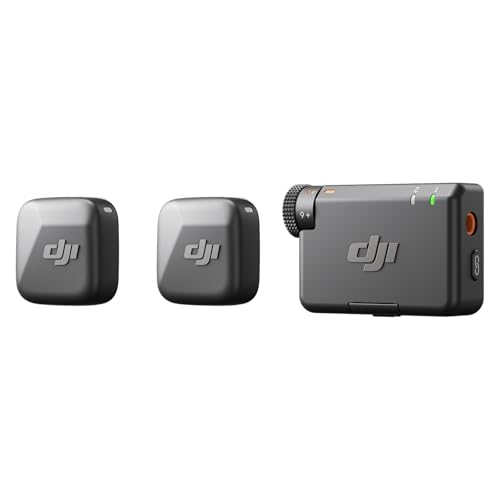
- Two 10g transmitters for interviews and livestreams
- 400m maximum transmission range
- Noise cancellation and automatic limiting
Best For: Two-person recording and DJI Osmo users
Best Budget Phone Kit
Wedaniya WM189 Mini Microphone

- USB-C and Lightning receivers included
- Two transmitters with noise reduction and windshields
- Up to six hours of recording and headphone monitoring
Best For: Beginner mobile creators and casual vloggers
Best Plug-and-Play Pick

- USB-C and Lightning adapters included
- Wind protection and noise reduction
- Up to 6 hours of recording
Best For: Mobile creators wanting simple, cross-device recording
Best for Noise-Controlled Recording

- Selectable denoise and original-sound modes
- 6–12 hours per transmitter
- Includes furry and foam wind covers
Best For: USB-C creators recording in changing environments
Best for Phone-Case Compatibility

- Longer receiver works with many cases
- Lightning and USB-C support
- Automatic app-free connection
Best For: Phone creators who prioritize quick setup
Top Pick – DJI Mic Mini with Charging Case
The DJI Mic Mini is a versatile choice among lavalier microphones for creators who need a compact two-transmitter system. It combines 10 g transmitters, up to 400 m of transmission range, two noise-cancellation levels, and up to 48 hours of use with the charging case.
Best For: Interviews, livestreams, vlogs, and extended content-creation sessions.
Pros:
- Very lightweight 10 g transmitters are discreet and comfortable to wear.
- Two transmitters support recording with two speakers.
- Charging case provides up to 48 hours of battery life.
- Automatic limiting helps prevent clipping from overly loud input.
Cons:
- The full kit is more equipment than a simple wired microphone.
- Strong noise cancellation may be unnecessary in quiet indoor spaces.
With its long battery life, broad compatibility, and included receiver, this is a strong all-around option for creators who want a complete wireless lavalier microphone setup.
Best Wired Option – Rode Lavalier GO Professional Microphone
The Rode Lavalier GO is a straightforward wired pick for shoppers comparing lavalier microphones for cameras, audio interfaces, wireless transmitters, and video calls. Its 3.5 mm TRS connector, discreet 4 mm capsule, and omnidirectional pattern make it flexible for everyday production.
Best For: Filmmaking, broadcast work, streaming, video calls, and users who prefer a wired connection.
Pros:
- Standard 3.5 mm TRS connector works with many cameras and transmitters.
- Compact capsule provides discreet placement.
- Omnidirectional pickup is forgiving when positioning the microphone.
- Kevlar-reinforced 1.2 m cable is built for repeated use.
Cons:
- Wired operation restricts movement compared with wireless systems.
- It is a single microphone rather than a multi-transmitter kit.
The Lavalier GO is a practical, low-complexity choice when dependable wired connectivity matters more than wireless range or charging convenience.
Best for Mobile Creators – DJI Mic Mini Mobile RX
The DJI Mic Mini with Mobile RX is a convenient wireless option among lavalier microphones for phone-first recording. Its USB-C mobile receiver supports compatible iPhone, Android, PC, and tablet setups, while two 10 g transmitters, 300 m range, and noise cancellation suit interviews and on-the-go content.
Best For: Smartphone interviews, mobile livestreaming, vlogging, and plug-and-play recording.
Pros:
- USB-C mobile receiver is designed for compatible phones, computers, and tablets.
- Two lightweight transmitters support two-person recording.
- Up to 11.5 hours of operating time suits longer shoots.
- Automatic limiting helps maintain reliable audio levels.
Cons:
- This package does not list a charging case for extended 48-hour use.
- Its 300 m stated range is shorter than the other DJI Mic Mini kit listed here.
Choose this version when direct mobile connectivity and a simple setup are priorities. It is especially appealing for creators who record primarily on USB-C devices.
Best Add-On Mic – DJI Lavalier Microphone
The DJI Lavalier Microphone is a compact wired accessory for compatible DJI Mic 2 and DJI Mic systems. Its rotating design, cable-routing feature, and concealable form make it useful when you want a dedicated lavalier microphone rather than relying on a transmitter’s built-in microphone.
Best For: DJI Mic 2 or DJI Mic users recording interviews, vlogs, livestreams, and video conferences.
Pros:
- Rotating design allows more flexible microphone positioning.
- Cable routing helps reduce accidental unplugging.
- Compact design is easy to conceal on camera.
- Unidirectional pickup can help focus capture toward the speaker.
Cons:
- Compatibility is specifically listed for DJI Mic 2 and DJI Mic systems.
- It uses a 3.5 mm TRS connection and does not function as a standalone wireless system.
This is best viewed as a focused accessory for an existing DJI setup. Its adjustable angle and secure cable routing make it a useful upgrade for discreet, consistent placement.
Best Ultra-Light Wireless Pick – Hollyland Lark M2
The Hollyland Lark M2 is a strong choice for creators who want compact, wireless lavalier microphones for phones, computers, and compatible cameras. Its 9g transmitters, 1,000-foot line-of-sight range, 24-bit/48kHz recording, and included charging case make it well suited to mobile video work.
Best For: Filmmakers, vloggers, and podcasters who prioritize long battery life, extended range, and adjustable noise cancellation.
Pros:
- Very lightweight 9g transmitter design.
- 24-bit/48kHz audio with a 70dB signal-to-noise ratio.
- Up to 30 hours of total runtime with the charging case.
- One-click noise cancellation and automatic factory pairing.
Cons:
- The listed 1,000-foot range depends on clear line of sight.
- Compatibility varies by receiver version; check whether USB-C or Lightning is needed.
The Lark M2 stands out when you want a discreet lavalier microphone system with strong specifications and substantial battery endurance. Its app-based controls add flexibility, while the direct plug-in receiver keeps setup simple.
Best for Reliable Two-Person Recording – DJI Mic Mini
The DJI Mic Mini is a practical two-transmitter system for interviews, livestreams, and other content that benefits from two lavalier microphones. Its 10g transmitters, 400-meter maximum transmission range, noise-cancellation modes, and automatic limiting are designed for dependable recording in varied environments.
Best For: Interviews, livestreams, and creators already using compatible DJI Osmo devices.
Pros:
- Includes two transmitters and one receiver for multi-person recording.
- Lightweight 10g transmitters are discreet and comfortable to wear.
- Basic and Strong noise-cancellation levels suit different surroundings.
- Automatic limiting helps reduce clipping from overly loud input.
Cons:
- Its maximum transmission range is shorter than the Hollyland system listed here.
- The product details list a maximum operating time of 10 hours for both a transmitter and receiver, so extended shoots may require charging.
Choose the DJI Mic Mini if dependable two-person capture and automatic audio protection matter more than the longest possible range. Its direct DJI ecosystem connection is an added advantage for owners of supported Osmo products.
Best Budget Phone Kit – Wedaniya WM189 Mini Microphone
The Wedaniya WM189 is a convenient starter option for shoppers seeking affordable wireless lavalier microphones for iPhone and Android video. The two-pack includes USB-C and Lightning receivers, instant pairing, windshields, and monitoring through headphones connected to the receiver.
Best For: Casual vloggers, mobile video creators, and beginners who need broad phone compatibility and a simple setup.
Pros:
- Includes USB-C and Lightning connectivity for iOS and Android devices.
- Two transmitters support interviews and dual-speaker recording.
- DSP noise reduction, sponge covers, and deadcat windshields help manage environmental noise.
- Real-time monitoring and Standard, Reverb, and Mute modes add control.
Cons:
- Up to six hours of recording time is shorter than the other listed systems.
- The plastic construction may feel less premium than higher-end alternatives.
- It is designed primarily as a mini phone microphone rather than a long-range professional system.
The WM189 offers useful features for its compact phone-focused design, especially if you need both major mobile connector types in one kit. It is a sensible choice for straightforward recording, though heavier users may prefer a system with longer runtime or more advanced controls.
Best Plug-and-Play Pick – Mini Mic Pro
The Mini Mic Pro is a convenient choice among lavalier microphones for creators who want wireless recording with iPhone, Android, tablet, or laptop devices. Its included USB-C and Lightning adapters, noise-reduction features, and wind protection make it practical for mobile videos, interviews, and voiceovers.
Best For: Mobile creators who need a compact, broadly compatible microphone with simple setup.
Pros:
- Includes both USB-C and Lightning adapters for plug-and-play compatibility.
- Comes with foam and deadcat wind protection for indoor or outdoor recording.
- Offers up to 6 hours of recording per charge and supports simultaneous device charging.
- Lightweight design includes two lavalier microphones and two clips.
Cons:
- The supplied specifications list a 2.4 GHz frequency response rather than a conventional audio frequency range.
- Its 6-hour battery rating may require recharging during longer production days.
Choose this model if fast setup and cross-device compatibility matter most. The included accessories and dual-microphone configuration add flexibility for interviews and two-person recordings.
Best for Noise-Controlled Recording – GoorDik USB-C Wireless Mic
For creators comparing lavalier microphones with active noise control, the GoorDik USB-C wireless model offers selectable noise-reduction and original-sound modes. Its wind covers, rotatable magnetic clips, and USB-C connectivity suit vlogs, podcasts, livestreams, and outdoor recordings.
Best For: USB-C device users who want adjustable noise control and extended wireless recording.
Pros:
- Provides noise-reduction and original-sound modes plus a mute function.
- Includes furry windscreens and foam covers for windy or noisy environments.
- Each transmitter offers approximately 6–12 hours of use per charge.
- Supports a stated 30-meter wireless range and includes USB and Lightning adapters.
Cons:
- Some Android phones may require OTG activation.
- Computers may need the microphone selected as the default input device.
- Its primary receiver connection is USB-C, so older devices may require an adapter.
This is a flexible option when recording conditions vary. The selectable audio modes and generous collection of wind accessories make it especially useful for creators moving between indoor speech and outdoor content.
Best for Phone-Case Compatibility – MAYBESTA Wireless Mini Mic
The MAYBESTA wireless mini mic is one of the more practical lavalier microphones for phone-based content creation, particularly when you prefer not to remove a protective case. It supports Lightning and USB-C devices, connects without an app, and includes two microphones for interviews, vlogs, teaching, and livestreams.
Best For: Smartphone creators who want easy setup and a receiver designed to work with many phone cases.
Pros:
- The longer receiver interface is designed to work with most phone cases.
- Supports iPhone, iPad, Android phones, laptops, and tablets through Lightning or USB-C connections.
- Offers automatic pairing without an adapter or application once the correct connector is selected.
- Includes noise reduction, windscreen protection, and two lavalier microphones.
Cons:
- The listing gives battery-life information qualitatively rather than specifying an operating-hour figure.
- Although compatibility is broad, device and operating-system support may vary by connector.
The MAYBESTA stands out for convenience rather than extensive controls. Its case-friendly receiver and automatic connection make it a sensible pick for frequent phone filming where setup speed matters.
How We Picked the Best Lavalier Microphones
We focused on microphone systems that suit common recording setups, including smartphones, tablets, computers, cameras, interviews, and two-person videos. The selection includes compact wireless kits, phone-specific mini microphones, and a wired professional lavalier for buyers who prioritize simplicity and dependable performance.
Our comparison criteria include voice clarity, connection type, device compatibility, wireless range, noise-reduction features, battery and charging convenience, portability, and overall value. Product claims such as range and noise cancellation can vary with surroundings, device settings, and obstructions, so treat advertised specifications as best-case guidance.
Quick Comparison
| Type | Best For | Main Advantage | Watch For |
|---|---|---|---|
| Wireless dual-transmitter kit | Interviews and two-person videos | Records two speakers | Charging and pairing requirements |
| Wireless single-transmitter kit | Solo creators | Lightweight, streamlined setup | Limited expansion |
| Phone-specific wireless mic | Mobile content | Simple plug-and-play use | Connector compatibility |
| Wired lavalier | Presentations and controlled shoots | No wireless battery or interference | Cable handling and adapter needs |
Key Buying Factors for Lavalier Microphones
Device and Connector Compatibility
Check whether the receiver or microphone supports USB-C, Lightning, a camera input, or a computer. USB-C models are convenient for many newer Android phones, tablets, and computers, while Lightning compatibility matters for older iPhones. Some systems require an adapter or a specific mobile receiver.
Wireless Design and Range
Wireless Lavalier Microphones provide freedom to move, but range is affected by walls, crowds, radio congestion, and line of sight. A short-range system is often sufficient for indoor talking-head videos. Longer advertised range is more useful for outdoor shoots, demonstrations, and presenters who move away from the camera.
Audio Control and Noise Reduction
Noise reduction can help with fans, traffic, and background activity, but aggressive processing may make speech sound unnatural. Look for a system with clear voice reproduction and, when available, adjustable processing or a way to record a backup track.
Battery, Charging, and Controls
Compare stated runtime with your typical shoot length. Charging cases are convenient for travel and help keep transmitters ready. Physical mute buttons, status indicators, gain controls, and onboard recording can also make a system easier to manage during a live shoot.
Who Should Buy Which Lavalier Microphones?
- For interviews or two-person content: Choose a kit with two transmitters and a receiver.
- For solo mobile creators: A compact wireless system with a phone-ready receiver keeps setup fast and portable.
- For the simplest dependable setup: A wired lavalier is a practical choice when the speaker can stay near the recording device.
- For outdoor or active filming: Prioritize secure clips, strong wireless range, wind protection, and useful noise control.
- For occasional social videos: A small plug-and-play phone microphone can offer better speech clarity without the cost or complexity of a full kit.
Before ordering, verify the exact connector, included accessories, transmitter count, and compatibility with your phone or camera. A microphone that matches your device and workflow will usually outperform a more advanced model that is difficult to connect or operate.