Choosing the right dynamic microphone can make a huge difference in clarity, background noise rejection, and overall vocal tone. That matters whether you’re building a home studio, recording podcasts, or tracking vocals and instruments.
Below, we’ve rounded up 10 of the best options for 2026, along with a simple buying guide to help you match the right mic to your setup and recording goals.
Best 10 Dynamic Microphones for Studio Picks for 2026
Broadcast-Ready XLR Choice

- Speech-tuned dynamic capsule
- Built-in pop filtering and shock mount
- All-metal XLR broadcast design
Best For: Podcasting and streaming with an XLR setup
Studio Vocal Standard
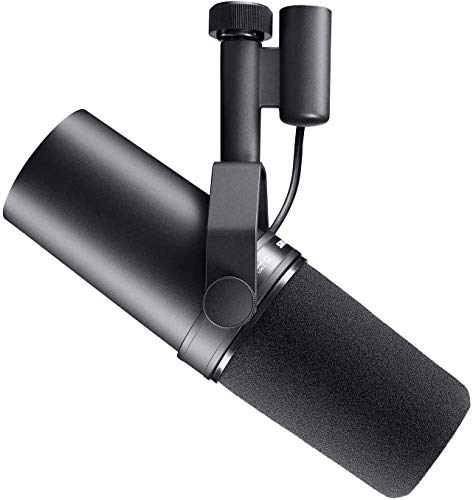
- Warm, balanced vocal tone
- Strong noise rejection and shock isolation
- Built-in pop filter and windscreen
Best For: Pro podcasting, voiceover, and studio vocals
Flexible Dual-Mode Pick

- USB and XLR connection support
- Cardioid pattern with included shock mount
- USB monitoring, mute, and gain control
Best For: Creators who want USB convenience and XLR upgradeability
Stage-Proven Vocal Mic

- Classic vocal clarity with midrange lift
- Cardioid pattern and built-in pop protection
- Rugged handheld metal build
Best For: Vocal recording and podcasting with live-performance durability
Starter Home Studio Mic

- Cardioid XLR mic for podcasting and voice recording
- Built-in pop filter helps reduce plosives
- Includes stand, base, extender, and XLR cable
Best For: Budget-conscious creators building a first home studio
Classic Vocal Standard

- Tailored vocal response with strong midrange presence
- Cardioid pattern helps reduce room noise
- Rugged metal build for reliable everyday use
Best For: Singers and spoken-word users who want a proven handheld mic
Broadcast-Style Voice Mic

- Dynamic cardioid mic with voice isolation
- XLR-only output for interface or mixer setups
- All-metal body with included yoke mount
Best For: Podcast and streaming setups that need focused vocal capture
Iconic Vocal Pick
Shure SM58S Dynamic Vocal Mic with Switch

- Cardioid pattern helps isolate vocals from room noise.
- Tuned for clear, warm, present vocal sound.
- On/off switch adds easy muting for sessions and gigs.
Best For: Vocalists and speakers who want a reliable XLR stage-and-studio mic.
Flexible USB/XLR Choice
FIFINE AmpliTank K688CT Podcast Mic Kit

- USB and XLR support gives you setup flexibility.
- Cardioid pattern helps reduce ambient room noise.
- Includes boom arm, shock mount, and windscreen.
Best For: Podcasters and streamers who want an all-in-one dynamic mic kit.
Studio Instrument Standard
Shure SM57 Dynamic Instrument Mic

- Cardioid pattern helps isolate instruments and reduce bleed.
- Contoured response adds clarity and presence.
- Rugged build suits frequent studio and live use.
Best For: Guitar amps, drums, brass, and other close-miked instruments.
Broadcast-Ready XLR Choice – RØDE PodMic for Studio
If you want dynamic microphones for studio-style voice work that lean toward a broadcast sound, the RØDE PodMic is built for exactly that kind of setup. Its dynamic capsule is tuned for speech, and the cardioid pickup helps reject room noise in untreated spaces.
Best For: Podcasting, streaming, and speech-focused studio recording with an XLR interface or mixer.
Pros:
- Broadcast-quality dynamic capsule tuned for speech.
- Internal pop filter and shock mounting help reduce plosives and desk noise.
- All-metal build for long-term durability.
- XLR connection works with interfaces, mixers, or RØDECaster gear.
Cons:
- Requires an XLR input; it is not a USB microphone.
- Best results depend on having the right interface or mixer gain.
The PodMic is a straightforward pick if you want a rugged, speech-tuned mic that fits a serious recording setup. It keeps the focus on vocal clarity and practical noise control rather than extra onboard features.
Studio Vocal Standard – Shure SM7B for Recording
Among dynamic microphones for studio vocals, the Shure SM7B is a classic choice for warm, balanced sound and close-mic work. Its cardioid pattern, built-in pop filtering, and shock isolation are designed to keep the voice clear while reducing unwanted room noise and handling noise.
Best For: Professional podcasting, voiceover, streaming, and vocal recording where smooth tone matters.
Pros:
- Warm, balanced vocal character with wide-range frequency response.
- Cardioid pickup and air suspension shock isolation help minimize background noise.
- Built-in pop filtering and detachable windscreen reduce plosives and breath noise.
- Rugged all-metal construction with electromagnetic shielding.
Cons:
- Requires XLR gear, and at least 60 dB of gain is recommended.
- Not a plug-and-play USB option.
The SM7B is the strongest option here if your priority is polished vocal tone and a proven studio workflow. It rewards a proper interface or preamp chain with a clean, finished sound.
Flexible Dual-Mode Pick – FIFINE K688 for Studio
If you need dynamic microphones for studio work that can do double duty, the FIFINE AmpliTank K688 stands out for its XLR and USB flexibility. It uses a cardioid pattern to cut background noise, and the included shock mount plus windscreen help keep recordings cleaner in everyday desktop setups.
Best For: Creators who want one mic for both simple USB recording and more advanced XLR studio use.
Pros:
- Supports both XLR and USB connections for different workflows.
- Cardioid pattern and metal build help reduce noise and distortion.
- USB mode adds tap-to-mute, gain control, and headphone monitoring.
- Includes shock mount and windscreen for cleaner close-mic recording.
Cons:
- Arm stand, mic stand, and XLR cable are not included.
- Some controls work only over USB, not XLR.
The K688 is a practical pick if you want studio-friendly sound without locking yourself into one connection type. It is especially useful when you want an easy USB path now and an XLR upgrade path later.
Stage-Proven Vocal Mic – Shure SM58 for Studio
For dynamic microphones for studio use that also handle live work, the Shure SM58 remains a practical, no-nonsense choice. Its cardioid pattern focuses on the voice, while the built-in filter and spherical grille help control plosives and breath noise in close-up vocal recordings.
Best For: Vocal recording, podcasting, and broadcast use when you want a durable, familiar Shure sound.
Pros:
- Legendary vocal clarity with a subtle midrange lift.
- Uniform cardioid pattern helps minimize background noise and feedback.
- Integrated pop protection reduces plosives and wind noise.
- Rugged metal construction built for heavy use.
Cons:
- Handheld design is less specialized for desk-mounted studio setups.
- Not as feature-rich as some modern USB/XLR hybrid mics.
The SM58 is a dependable studio option when you want an industry-standard vocal mic that also works on stage. It is simple, sturdy, and focused on consistent voice capture rather than extra extras.
Starter Home Studio Mic – MAONO PD100 XLR Podcast Mic
If you’re building a setup around dynamic microphones for studio use, the MAONO PD100 is a practical XLR option for podcasting, streaming, vocal recording, and content creation. It focuses on clean voice capture with a cardioid pattern, an inner double-layer pop filter, and a balanced 60Hz–14kHz response that aims for a mellow, centered sound.
Best For: New home-studio users who want an affordable XLR mic for voice-focused recording and streaming.
Pros:
- Cardioid pickup and “talk to the mic top” design help keep your voice front and center.
- Built-in double-layer pop filter is designed to better reduce plosives.
- Metal body, circular base, and rod extender add stability and durability on a desk.
- Includes XLR cable, desktop stand, and base for an all-in-one starter set.
Cons:
- XLR connection means you’ll need an audio interface, mixer, or compatible Maono system.
- Frequency range is focused on voice work rather than broad studio versatility.
The PD100 is a straightforward pick if you want a compact, desk-ready microphone package for spoken-word recording. It gives beginners the essentials without adding extra setup complexity.
Classic Vocal Standard – Shure SM58 Pro Dynamic Mic
When comparing dynamic microphones for studio recording, the Shure SM58 remains a dependable vocal standard. Its tailored frequency response and enhanced midrange are built to bring vocals forward, while the cardioid pattern and internal pop filtering help keep background noise and breath sounds under control.
Best For: Singers, speakers, and recordists who want a proven handheld vocal mic with rugged reliability.
Pros:
- Tailored vocal response with enhanced midrange for clear, present vocals.
- Cardioid pickup helps isolate the main voice and reject unwanted noise.
- Built-in spherical mesh grille and internal pop filter reduce breath and plosive noise.
- Rugged metal construction is made for frequent use and tough handling.
Cons:
- Handheld format may be less convenient for fixed desktop studio setups.
- Designed for vocal use, so it’s less specialized for broad instrument recording.
The SM58 is still a safe choice if you want a familiar, workhorse vocal mic that performs consistently. It’s especially appealing when durability and dependable sound matter as much as tone.
Broadcast-Style Voice Mic – Shure MV7X XLR Dynamic Mic
If you want dynamic microphones for studio work with a more broadcast-style feel, the Shure MV7X is built for podcasting, streaming, and vocal recording. It uses an XLR-only output, a dynamic cardioid capsule, and integrated shock mount technology to help deliver focused voice capture with less room noise and vibration.
Best For: Podcasters and streamers who want a professional XLR mic tuned for spoken word and vocal clarity.
Pros:
- Voice-isolation design helps reduce room noise, background distractions, and vibration.
- Broadcast-inspired form factor suits podcasting, streaming, and recording.
- XLR-only output gives you direct control through an interface or mixer.
- All-metal construction and included yoke mount add durability and setup flexibility.
Cons:
- XLR-only design requires an audio interface or mixer.
- Not a plug-and-play USB mic for creators who want the simplest setup.
The MV7X is a strong fit if you’re building a more serious voice chain and want a mic that leans into broadcast-style recording. It’s especially useful when you want cleaner spoken-word tracks without stepping outside an XLR studio workflow.
Iconic Vocal Pick – Shure SM58S Dynamic Vocal Mic with Switch
If you want a proven option among dynamic microphones for studio use that also shines on stage, the Shure SM58S is built around vocals first. Its cardioid pattern helps keep the focus on the front of the mic, while the tuned response is meant to deliver a clear, warm, present sound for singing, speaking, rehearsal, and recording.
Best For: Vocalists, speakers, and studio users who want a dependable XLR dynamic mic with an on/off switch.
Pros:
- Cardioid pickup helps reject off-axis noise and isolate the voice.
- Warm, present vocal tuning is designed for singing and speech.
- Built-in on/off switch makes quick muting easy during sessions or performances.
- Hardened grille and internal filtering help reduce plosives, breath noise, and handling noise.
Cons:
- Wired XLR design requires a mixer or interface.
- Primarily optimized for vocals rather than instruments.
For buyers who need a familiar vocal workhorse, the SM58S offers a practical mix of isolation, ruggedness, and simple control. It is a strong fit when you want one mic that can handle studio recording, live vocals, and presentation duty without fuss.
Flexible USB/XLR Choice – FIFINE AmpliTank K688CT Podcast Mic Kit
For dynamic microphones for studio workflows that also cover streaming and podcasting, the FIFINE AmpliTank K688CT is built to be adaptable. It combines USB and XLR connectivity, a cardioid pattern for reducing ambient noise, and included accessories like a boom arm, shock mount, and windscreen to help keep recordings controlled.
Best For: Streamers, podcasters, and home-studio users who want one mic kit with both USB and XLR flexibility.
Pros:
- USB and XLR connections make it easy to switch between plug-and-play and interface setups.
- Cardioid pickup reduces ambient noise and keeps focus on your voice.
- Includes boom arm, shock mount, and windscreen for more stable, cleaner recording.
- Onboard USB controls add mute, gain, headphone monitoring, and volume control.
Cons:
- Function buttons are only available in USB mode, not XLR mode.
- Works best when spoken into from close range, around 2 to 6 inches.
- C-clamp is limited to desks under 2 inches thick.
This kit makes sense if you want flexibility without piecing together separate gear. It is especially appealing for creators who need a straightforward recording setup now, but may want to move into an interface-based studio chain later.
Studio Instrument Standard – Shure SM57 Dynamic Instrument Mic
When shopping for dynamic microphones for studio recording, the Shure SM57 remains a practical pick for instruments and close-miked sources. Its cardioid pattern is designed to isolate the main sound source, and the contoured response adds presence and clarity for guitar amps, snare drums, brass, and more.
Best For: Instrument recording, amp miking, and drum capture in home or project studios.
Pros:
- Cardioid pickup helps minimize bleed and background noise.
- Presence boost and contoured response support clear, detailed instrument capture.
- Built for high sound pressure levels and demanding studio use.
- Works across guitars, drums, brass, percussion, and other close-miked sources.
Cons:
- Not the most vocal-focused option if your main goal is speaking or singing.
- Wired XLR design needs compatible recording gear.
The SM57 is a dependable studio utility mic that earns its place through versatility and consistency. If your priority is capturing instruments cleanly and confidently, it is one of the easiest dynamic mics to justify.
How We Picked the Best Dynamic Microphones for Studio
We focused on Dynamic Microphones for Studio use that offer strong real-world value: reliable build quality, proven vocal performance, useful connectivity, and compatibility with common interfaces, mixers, and audio workflows. We also considered whether each mic is better suited to spoken voice, singing, or instrument recording.
Quick Comparison
In this lineup, some models are clear studio staples for vocal recording, while others lean toward podcasting, broadcast-style speech, or instrument capture. XLR-only mics are best for traditional studio chains, while USB/XLR hybrid options can be more flexible for beginners and hybrid setups.
Key Buying Factors for Dynamic Microphones for Studio
Pickup Pattern and Noise Rejection
Most studio dynamic mics use a cardioid pattern, which helps focus on the sound source while reducing room noise. If your recording space is untreated or shared, this can be a major advantage.
Output and Gain Requirements
Some dynamic microphones need a lot of clean gain to sound their best. If you plan to use a low-gain interface, consider whether you’ll need a preamp booster or a microphone known for easier drive.
Connection Type
XLR models are the standard for studio recording and give you the most control over your signal chain. USB/XLR models are convenient if you want direct computer recording now and a more advanced setup later.
Voice Versus Instrument Use
Not every dynamic mic is built for the same job. Some are optimized for close vocal work, while others are also excellent for guitar amps, snare, or general instrument capture. Choose based on your primary source.
Accessories and Included Gear
Bundles that include cables, mounts, or adapters can save money and simplify setup, especially for first-time buyers.
Who Should Buy Which Dynamic Microphones for Studio?
If you want a classic studio vocal microphone, choose a proven XLR model with strong isolation and a familiar broadcast-style sound. If you need flexibility for streaming, podcasting, and home recording, a USB/XLR hybrid may be the smartest starting point. If your priority is instrument recording, look for a dynamic mic that’s widely used for amps and percussion as well as voice.
For most buyers, the best choice comes down to three things: how much room noise you need to reject, whether you want XLR or USB connectivity, and what you’ll record most often. Matching those basics will narrow the field quickly and help you pick one of the best Dynamic Microphones for Studio work with confidence.