Desktop guitar effects processors are a smart way to build a flexible rig without filling your room with pedals and amps. They can handle practice, recording, silent play, and quick tone changes in one compact unit.
This roundup focuses on models that offer useful sounds, easy control, and practical features for players who want strong results at home or in the studio.
Best 10 Desktop Guitar Effects Processors Picks for 2026
Flagship all-in-one desktop rig
VALETON GP-200 Multi-Effects Pedal

- 240+ effects with 140 amp/cab sims
- USB-C audio interface with stereo streaming
- FX loop, MIDI, XLR, and headphone I/O
Best For: Players who want a feature-rich desktop processor with amp modeling and recording support
Studio-friendly desktop processor
BOSS GT-001 Desktop Effects Processor

- GT-100 Version 2.0 amps and effects in desktop form
- XLR mic input for vocals or acoustic instruments
- USB audio/MIDI interface for DAW recording
Best For: Home studio players who want premium BOSS tones in a compact desktop unit
Budget practice and looping pick
MOOER GE100 Multi-Effects Pedal

- 80 preset patches plus 80 user patches
- 66 effect types with 8 effect modules
- 180-second looper and drum machine
Best For: Beginners and budget-minded players who want presets, looping, and practice tools
Compact starter processor
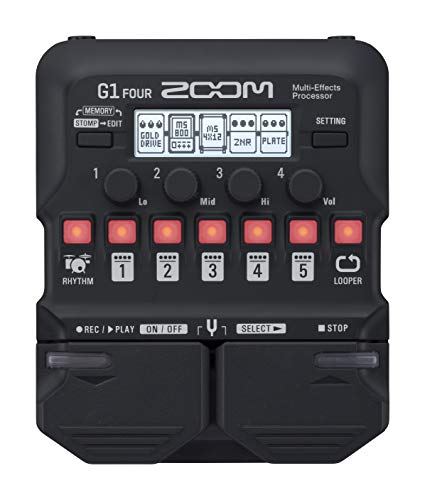
- 65 effects and 13 amp models
- 30-second looper with 68 rhythm patterns
- Free Guitar Lab software for editing
Best For: Players who want an affordable, portable desktop-style processor for practice
Desktop Practice Multi-Effects
LEKATO 36-Preset Compact Processor

- 36 presets with amp, delay, reverb, modulation, and IR cab options
- App editing plus IR loading from PC or phone
- Battery-powered with Bluetooth, USB, XLR, and headphone connections
Best For: Compact practice and casual recording with easy tone editing
Practice-Focused Multi-Effects
Zoom G1X Four with Expression Pedal

- 71 effects and 13 amp models for a wide range of tones
- 30-second looper plus 68 rhythm patterns for practice
- Expression pedal and Guitar Lab software for added control
Best For: Practice players who want looping, rhythms, and hands-on expression control
Portable Practice Hub
MOOER PE100 compact practice multi-effects

- 99 factory and 99 user presets
- 40 drum patterns, 10 metronomes, tap tempo
- Compact unit with tuner and quick recall buttons
Best For: Players who want a compact practice processor with built-in rhythm tools
Performance Control Rig
MOOER GE150 Pro feature-rich effects processor

- 200 presets, 170 effects, 55 amp models
- Four footswitches plus expression pedal
- USB OTG recording and 80-second looper
Best For: Players who want a highly controllable processor for practice and recording
Home Studio All-Rounder
LEKATO ME-05 rechargeable multi-effects processor

- 125 effects with 99 presets and 10-block routing
- Bluetooth app editing with NAM and IR support
- USB audio interface plus rechargeable battery
Best For: Players who want a portable processor for practice, editing, and recording
Flagship all-in-one desktop rig – VALETON GP-200 Multi-Effects Pedal
Valeton GP-200 Multi-Effects Processor for Guitar & Bass, Expression Pedal, MIDI, USB Interface
Check Price On AmazonIf you want one of the more fully featured desktop guitar effects processors for home recording or practice, the VALETON GP-200 brings a lot to the table. It combines amp and cab modeling, a wide effects library, stereo I/O, USB audio, and deep routing options in a compact unit you can keep on a desk or pedalboard.
Best For: Players who want a feature-rich desktop processor with amp modeling, IR support, and USB recording.
Pros:
- 240+ built-in guitar, bass, and acoustic effects plus 140 amp/cab simulations
- Supports 20 third-party IRs and up to 11 simultaneous effect blocks
- USB-C audio interface with stereo streaming plus OTG support for mobile devices
- Flexible connections including line, XLR, headphone out, FX loop, MIDI, and expression input
Cons:
- At this feature level, it may be more processor than a basic practice setup needs
- Preset management and editing are likely best suited to users willing to spend time dialing in sounds
The GP-200 stands out if you want a desktop guitar effects processor that can cover a lot of ground without needing extra gear. Its mix of modeling, looping, drum rhythms, and recording connectivity makes it especially practical for players building a compact studio setup.
Studio-friendly desktop processor – BOSS GT-001 Desktop Effects Processor
The BOSS GT-001 is a compact option for players who want desktop guitar effects processors geared toward home studio work and practice. It packs the GT-100 Version 2.0 amp and effects engine into a small unit, adds USB audio/MIDI, and includes an XLR mic input for recording more than just guitar.
Best For: Home studio players who want premium BOSS tones in a compact desktop unit.
Pros:
- Desktop format with the acclaimed amps and effects from the GT-100 Version 2.0
- XLR mic input for vocals or acoustic instruments
- Built-in USB audio/MIDI interface for DAW use
- Panel knobs and dedicated buttons make it easy to dial in tones quickly
Cons:
- Uses analog signal format rather than digital, which may matter to some buyers
- Smaller feature set than larger all-in-one modelers aimed at complex routing
If your priority is simple desktop access to BOSS processing rather than a floorboard-style multi-effects unit, the GT-001 is a strong fit. It is especially useful when you want a compact, recording-ready processor with straightforward controls and studio connections.
Budget practice and looping pick – MOOER GE100 Multi-Effects Pedal
The MOOER GE100 is a practical entry point if you are comparing desktop guitar effects processors for practice, writing, or simple home use. It offers a solid effects library, preset storage, a looper, and drum machine features in a compact package that is easy to move between rooms or pair with a basic rig.
Best For: Beginners and budget-minded players who want presets, looping, and practice tools in one unit.
Pros:
- 80 preset patches and 80 user patches for building a personal sound library
- 66 effect types across 8 effect modules
- 180-second looper and built-in drum machine for solo practice and songwriting
- Assignable expression pedal plus line-out mode for amp-free playing
Cons:
- Effects list and routing are more limited than higher-end processors
- Analog signal format and simpler interface may not suit players wanting deep studio integration
For players who want a straightforward desktop processor without stepping into a more complex modeling system, the GE100 covers the essentials well. It is a sensible pick when practice tools and easy preset access matter more than advanced connectivity.
Compact starter processor – Zoom G1 Four Multi-Effects
The Zoom G1 Four is a compact choice for anyone looking at desktop guitar effects processors that are easy to set up and use for practice. It keeps things simple with a broad effects selection, amp models, rhythm patterns, and a looper, while adding software support for editing on a computer.
Best For: Players who want an affordable, portable desktop-style processor for practice and quick tone building.
Pros:
- 65 built-in guitar effects and 13 amp models
- 30-second looper and 68 built-in rhythm patterns
- Free Zoom Guitar Lab software for Mac/Windows patch editing
- Aux input and amp/headphone output for easy practice setups
Cons:
- Shorter looper time than some competing processors
- Fewer onboard editing and routing features than more advanced desktop units
The G1 Four is best viewed as a practical, affordable processor for players who mainly need variety and portability. It gives you enough sounds and practice tools to cover everyday use without making the setup feel complicated.
Desktop Practice Multi-Effects – LEKATO 36-Preset Compact Processor
If you want a desktop guitar effects processor for practice, recording, and quick tone changes, the LEKATO Multi Effects Guitar Pedal keeps the setup simple. It packs 36 presets, editable modules, IR cab options, and Bluetooth playback into a compact body that is easy to keep on a desk or take on the go.
Best For: Players who want an affordable, compact desktop processor with app-based editing and battery power for practice or casual recording.
Pros:
- 36 presets with editable modules for amp, modulation, delay, reverb, and IR cab tones
- App support for editing, preset sharing, and IR loading on PC or phone
- Multiple connections including headphone, USB, XLR, phone recording, and Bluetooth playback
- Built-in 3000mAh battery with up to 12 hours of working time
Cons:
- Limited to 36 presets compared with larger multi-effects processors
- No expression pedal or looper listed in the supplied features
- Best suited to compact practice setups rather than deep stage rig control
Overall, this LEKATO unit is a practical desktop option if you value portability, app editing, and flexible home-use connectivity over a huge effect count. It is especially appealing for players who want one box that covers tones, recording, and silent practice.
Pro Desktop Modeling Hub – Valeton GP-180 Advanced Processor
The Valeton GP-180 is built like a serious desktop guitar effects processor for players who want modern modeling, deep routing, and recording features in one unit. With 200+ effects, IR and NAM support, a looper, drum machine, and USB audio interface functions, it covers practice, studio work, and performance control from a single compact processor.
Best For: Guitarists who want a feature-rich desktop processor with advanced modeling, recording tools, and modern connectivity.
Pros:
- 200+ effects with second-generation HD digital modeling at a 48kHz sample rate
- IR support plus SnapTone and NAM file conversion for expanded amp and cab options
- Built-in battery, USB audio interface, Bluetooth, MIDI control, and mobile/desktop app editing
- Performance tools include a 180-second looper, 100+ drum patterns, tuner, and 200 patch slots
Cons:
- More complex than a basic all-in-one practice pedal
- Designed for users who will take advantage of its deeper routing and control options
- Battery life is listed at over 6 hours, which is solid but not class-leading for all-day use
If you want one of the most capable desktop guitar effects processors in this group, the GP-180 stands out for its modeling depth and recording-friendly feature set. It is the best fit for players who want modern amp simulation, flexible control, and an interface that can handle serious home or studio work.
Practice-Focused Multi-Effects – Zoom G1X Four with Expression Pedal
The Zoom G1X Four is a straightforward desktop guitar effects processor for players who want plenty of sounds without a complicated setup. It offers 71 effects, 13 amp models, a 30-second looper, and 68 rhythm patterns, making it a strong choice for daily practice and simple recording ideas.
Best For: Players who want an easy-to-use desktop practice processor with an expression pedal and built-in rhythm support.
Pros:
- 71 built-in effects and 13 amp models for broad tone shaping
- 30-second looper and 68 rhythm patterns make practice more engaging
- Expression pedal adds real-time control for swells and effects shaping
- Zoom Guitar Lab software lets you edit patches on Mac or Windows
Cons:
- Fewer modern connectivity features than newer processor designs
- Effect count is lower than larger desktop modeling units
- Best for practice-oriented use rather than deep studio integration
This Zoom model is a smart pick if you want a dependable desktop guitar effects processor centered on practice, looping, and hands-on control. It is especially appealing for players who prefer a familiar interface and the added flexibility of an expression pedal.
Portable Practice Hub – MOOER PE100 compact practice multi-effects
If you want desktop guitar effects processors that stay simple and portable, the MOOER PE100 is built for practice-first use. It packs amp models, 39 effects, preset storage, a tuner, drum patterns, metronome modes, and tap tempo into a compact unit that can run on a power adapter or battery.
Best For: Guitarists who want a pocket-size practice processor with quick preset recall and built-in rhythm tools.
Pros:
- 99 factory presets plus 99 user presets, with QUICK RECALL buttons for four favorites
- Includes 40 drum patterns, 10 metronomes, and tap tempo control
- Six effect blocks with 39 effect types for broad tone shaping
- Compact desktop-style unit with tuner and easy touch panel control
Cons:
- Designed more for practice and portability than deep live-performance control
- Uses a smaller control layout than larger multi-effects floor processors
The PE100 is a practical pick if you want a small effects processor that covers everyday practice needs without taking up much space. Its strength is convenience: fast access to sounds, rhythm support, and enough effects variety to keep home sessions moving.
Performance Control Rig – MOOER GE150 Pro feature-rich effects processor
Among desktop guitar effects processors, the MOOER GE150 Pro stands out for players who want deeper control and more routing options. It offers 200 presets, 170 effects, 55 amp models, 26 cab simulations, NAM and MNRS support, USB OTG recording, and a four-footswitch layout with an expression pedal.
Best For: Guitarists who need a feature-rich processor for practice, editing, recording, and live-style preset switching.
Pros:
- 200 factory presets with 170 effects and extensive amp/cab modeling
- Four multi-purpose footswitches plus an expression pedal for flexible control
- Built-in 80-second stereo looper, tuner, and drum machine with rhythms and metronome modes
- Type-C USB, OTG recording, and computer connectivity for editing and updates
Cons:
- More complex than a basic practice pedal, so it may take more time to learn
- Standard GE150 Pro is mains-powered rather than battery-powered
The GE150 Pro is the most capable option here if you want one processor to handle tones, looping, editing, and recording. Its mix of footswitch control, modeling options, and modern connectivity makes it a strong center piece for a compact desktop rig.
Home Studio All-Rounder – LEKATO ME-05 rechargeable multi-effects processor
If you are comparing desktop guitar effects processors for home practice and recording, the LEKATO ME-05 is designed to do a lot in a very small package. It combines 125 effects, amp and cab models, NAM and IR support, Bluetooth app editing, a looper, drum rhythms, and USB audio interface features in a rechargeable unit.
Best For: Players who want a lightweight, rechargeable multi-effects processor with app control and recording features.
Pros:
- 125 effects with 99 presets and up to 10 simultaneous effect blocks
- Supports NAM and IR uploads, plus Bluetooth editing through a free app
- USB audio interface and OTG support for PC/Mac and mobile recording
- Rechargeable 1500mAh battery and compact 250g design for portability
Cons:
- Fewer amp and cab options than the larger MOOER GE150 Pro
- Smaller 2-inch display may feel limited for users who want larger on-unit controls
The ME-05 is a smart choice if you want a grab-and-go desktop processor that can also double as a recording interface. Its lightweight build and app-based editing make it especially appealing for home players who value convenience and portability.
How We Picked These Desktop Guitar Effects Processors
We focused on models that make sense for real-world home use: solid amp and cab simulation, useful effects variety, headphone or USB recording support, and simple editing. Since Desktop Guitar Effects Processors are often bought for practice and direct recording, portability and quiet operation also mattered.
We also looked at whether each unit offers enough flexibility for different players, from straightforward preset-based units to more advanced processors with MIDI, IR loading, or NAM support.
Quick Comparison: What Matters Most
The biggest differences usually come down to editing depth, sound quality, and connection options. Entry-level units tend to favor fast setup and easy presets, while more advanced processors add better amp modeling, more effects blocks, expression control, and direct interface features for recording.
If you want a simple practice companion, a compact model may be enough. If you want a long-term home studio tool, look for stronger amp modeling, USB audio, IR support, and enough routing flexibility to handle different genres.
Key Buying Factors for Desktop Guitar Effects Processors
Tone Quality and Amp Modeling
Start with the core sounds. A good processor should deliver convincing clean, edge-of-breakup, and high-gain tones without making the guitar sound harsh or artificial. Cab simulation and IR support can make a major difference when you are listening through headphones or recording direct.
Editing and Preset Workflow
Some players want fast preset browsing, while others prefer deeper editing. Check how many effects can be used at once, whether the signal chain is easy to understand, and how quickly you can save and recall tones.
Practice and Recording Features
For Desktop Guitar Effects Processors, headphone output, USB audio, tuner functions, drum machines, looper tools, and Bluetooth support can all improve daily use. These features are especially helpful if you play at night or record without a full amp setup.
Connectivity and Expandability
Consider expression pedals, FX loops, MIDI, stereo outputs, and mobile or computer integration. These extras are not necessary for everyone, but they can extend the life of the unit as your setup grows.
Who Should Buy Which Desktop Guitar Effects Processors?
Beginners usually benefit most from easy-to-use processors with presets, built-in rhythm tools, and a straightforward interface. Intermediate players may want more amp models, IR loading, and a better balance of editing depth and portability.
Players building a home recording rig should prioritize USB audio, amp/cab simulation, and low-noise headphone use. If you need one device to cover practice, writing, and direct recording, choose a model with more routing options and stronger modeling rather than the smallest or cheapest unit available.