Choosing a channel strip for instruments can simplify your signal chain and give you faster control over gain, dynamics, and tone in one place.
Below, we’ve rounded up 10 standout options for home studios and pro setups, with picks that suit clean tracking, colored analog character, and flexible studio workflows.
Best 10 Channel Strip for Instruments Picks for 2026
Studio Channel Strip Pick
dbx 286s Mic & Instrument Preamp

- XLR mic input plus 1/4-inch TRS line input
- Built-in compressor, de-esser, enhancer, and gate
- 1U rack unit with LEDs and insert jack
Best For: Home studios needing a simple all-in-one preamp and processor
Premium Console Character
Rupert Neve Designs Newton Channel Strip

- Class A mic/line preamp with transformer outputs
- Silk harmonic enhancement for tonal shaping
- Onboard compressor and 8-segment LED meters
Best For: Engineers wanting premium analog character in a mono strip
Digital Recording Choice
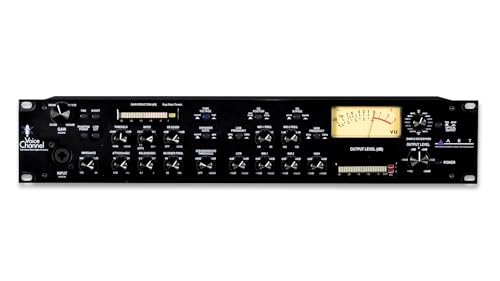
- Tube preamp with compressor, de-esser, gate, and expander
- Digital outs include ADAT, AES/EBU, S/PDIF, TOSLink, and USB
- Compatible with guitar, bass, keyboard, and drums
Best For: Recording setups that need tube tone and digital connectivity
High-End Analog Sculptor
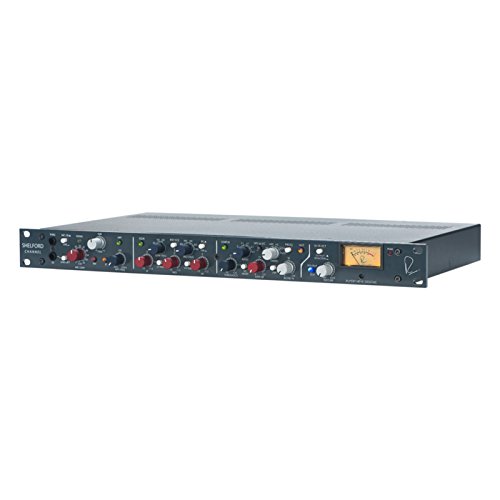
- Transformer-gain mic preamp with inductor EQ
- Diode-bridge compressor with sidechain support
- Premium mono channel strip hardware
Best For: Advanced users wanting classic analog shaping in one channel
Tube-Driven Project Studio Pick

- Class A 12AX7 tube preamp with tube drive
- Instrument, line, and mic inputs in one unit
- VCA compressor plus 3-band EQ for shaping
Best For: Home and project studios needing an all-in-one channel strip
SSL Console-Style Analog Choice

- Jensen transformer mic preamp in a 1U design
- 4-band E-Series EQ with B-Series de-esser
- Discrete Class A VCA dynamics for shaping
Best For: Engineers wanting SSL-style analog control in a compact rack unit
Premium Mono Channel Strip Upgrade

- Discrete preamp with Lundahl I/O transformers
- Transient Designer plus tube saturation
- Compressor adds more front-end control
Best For: High-end mono tracking with transformer tone and transient shaping
Tube Tone Channel Strip
ART Pro Channel III Channel Strip

- Mono tube channel strip
- Switchable mic impedance
- Opto/FET compression voicings
Best For: Players and recordists wanting an analog all-in-one front end
Studio Interface Channel Strip

- Class A preamp/EQ channel strip
- 24-bit/192kHz AD/DA
- USB and ADAT connectivity
Best For: Computer-based musicians wanting a premium hybrid channel strip interface
DAW Control Strip

- Channel strip plug-in controller
- Motorized fader and encoders
- DAW transport integration
Best For: Mac-based producers who want tactile plug-in control
Studio Channel Strip Pick – dbx 286s Mic & Instrument Preamp
If you want a channel strip for instruments that also handles microphones, the dbx 286s is a straightforward rackmount option with classic dbx processing. Its 1/4-inch line input can accept balanced or unbalanced signals, making it practical for live electronic instruments or pre-recorded tracks at mixdown, while the XLR mic input keeps it flexible for studio use.
Best For: Home studios and project setups that need a compact, all-in-one preamp and processor for mics plus instrument or line-level sources.
Pros:
- Compression, de-esser, enhancer, and expander/gate in one unit
- 1/4-inch TRS line input for instruments or line-level sources
- Insert jack for looping out to additional processors
- Status LEDs for quick level and processor monitoring
Cons:
- Single-channel design only
- Rackmount format requires 1U space
The dbx 286s is a practical, no-fuss channel strip for instruments when you want simple routing and familiar processing without extra complexity. It is especially appealing if you value onboard dynamics control and easy signal monitoring in a compact rack unit.
Premium Console Character – Rupert Neve Designs Newton Channel Strip
The Rupert Neve Designs Newton Channel Strip is a mono channel strip built around a Class A mic/line preamp, transformer outputs, Silk harmonic enhancement, and onboard compression. For buyers comparing a channel strip for instruments, this is the kind of premium unit that brings detailed preamp control and tonal shaping in a single hardware path.
Best For: Engineers and musicians who want a high-end mono channel strip with transformer-based character and flexible tonal shaping.
Pros:
- Class A mic/line preamp for detailed front-end capture
- Custom transformer outputs for added hardware character
- Silk harmonic enhancement for tonal shaping
- 8-segment LED meters and compressor onboard
Cons:
- Mono design only
- Large, heavy hardware compared with smaller rack units
This is a serious channel strip for instruments if your priority is premium analog tone and hands-on control rather than compact utility. Its feature set is geared toward users who want a polished, high-end signal path in one channel.
Digital Recording Choice – ART VoiceChannel Tube Strip
The ART VoiceChannel is a tube channel strip with digital outs, which makes it a flexible option for a channel strip for instruments in recording setups that need both analog processing and digital connectivity. It combines a tube preamp with compressor, expander, de-esser, and gate, plus output options including ADAT Lite-pipe, AES/EBU, S/PDIF, TOSLink, and USB direct connection.
Best For: Recordists who want a tube channel strip with broad digital output options for direct computer or interface integration.
Pros:
- Tube preamp design for warmth and definition
- Compressor, expander, de-esser, and gate included
- Multiple digital outputs plus USB direct-connect
- Works with guitar, bass, keyboard, and drum inputs
Cons:
- Single-channel unit only
- Digital routing may be more than some basic setups need
If your recording workflow benefits from direct digital outputs, this channel strip for instruments offers a lot of flexibility in one box. It stands out most when you want tube color and convenient connectivity without building a separate signal chain.
High-End Analog Sculptor – Rupert Neve Shelford Channel
Rupert Neve Designs Shelford Channel Microphone Preamp, Inductor EQ & Diode Bridge Compressor
Check Price On AmazonThe Rupert Neve Designs Shelford Channel is a mono channel strip built around a transformer-gain mic preamp, inductor EQ, and diode bridge compressor. For shoppers comparing a channel strip for instruments, it is a premium analog tool aimed at detailed tone shaping and compression in a single rack-mounted path.
Best For: Users who want a high-end mono channel strip with classic-style EQ and compressor sections for precise analog shaping.
Pros:
- Transformer-gain mic preamp for a robust front end
- Inductor EQ for hands-on tonal shaping
- Diode-bridge compressor with sidechain send/return support
- Double-voltage power supply for its analog design
Cons:
- Mono channel only
- Premium hardware size and weight
This is a refined channel strip for instruments if you want serious analog control and a premium build rather than a budget utility box. Its feature set focuses on classic channel-strip functions with enough routing flexibility for advanced studio use.
Tube-Driven Project Studio Pick – PreSonus StudioChannel
If you want a channel strip for instruments that can also handle mics and line sources, the PreSonus StudioChannel gives you a lot in one rack space. Its Class A 12AX7 tube preamp, VCA compressor, and 3-band EQ make it a flexible front end for tracking guitar, bass, keyboards, synths, and more.
Best For: Home and project studios that need one rack unit to cover instrument tracking, preamping, compression, and basic EQ shaping.
Pros:
- High-voltage Class A 12AX7 tube preamp adds tube drive and front-end flexibility
- Instrument, line, and mic inputs support a wide range of recording sources
- Built-in VCA compressor with auto attack/release and soft/hard knee
- 3-band EQ includes variable-Q mid-band plus shelving/peak high and low bands
Cons:
- Rack-mount 1U format may be more than some small desktop setups need
- Feature set is broad, so users seeking a simple preamp may find it overbuilt
- Tube and dynamics controls add complexity compared with a basic DI or preamp
The StudioChannel is a practical all-in-one option when you want a channel strip for instruments with real tracking flexibility. Its combination of tube coloration, compression, and EQ makes it especially useful when shaping tone on the way in matters.
SSL Console-Style Analog Choice – SSL Revival 4000
The Solid State Logic Revival 4000 is a compact analog channel strip for users who want a console-style front end in a 1U format. With a Jensen transformer mic preamp, 4-band E-Series EQ, B-Series de-esser, and discrete Class A VCA dynamics, it is aimed at shaping source tones with a classic SSL approach.
Best For: Engineers who want a compact analog channel strip with SSL-inspired EQ and dynamics for mic and instrument front-end work.
Pros:
- Signature SSL 4000 Series-inspired analogue channel strip in a compact 1U format
- Jensen transformer mic preamp adds a recognizable front-end character
- 4-band E-Series EQ plus B-Series de-esser offers detailed tone control
- Discrete Class A VCA dynamics section expands tracking and shaping options
Cons:
- Supplied notes emphasize the preamp and console-style processing more than instrument-specific features
- 1U format keeps it compact, but the layout may still be more studio-focused than portable
- Users looking for tube coloration will not find that in the listed feature set
As a channel strip for instruments or sources that need polished analog control, the Revival 4000 stands out for its SSL-inspired processing path. It is a strong fit when you want a familiar console workflow in a streamlined rack unit.
Premium Mono Channel Strip Upgrade – SPL Channel One MK3
The SPL Channel One MK3 is a premium mono channel strip built around a discrete preamp, Lundahl I/O transformers, and a feature set that includes a transient designer, tube saturation, and compressor. For a channel strip for instruments, it offers multiple ways to add impact and character before the signal hits your interface or recorder.
Best For: Players and engineers who want a high-end mono channel strip with transformer-based tone shaping and extra transient control.
Pros:
- Discrete preamp with Lundahl I/O transformers for a premium signal path
- Transient Designer adds attack and envelope control for instrument tracking
- Tube saturation and compressor provide extra tone-shaping and dynamics options
- Mono channel strip design keeps the feature set focused on one source at a time
Cons:
- Mono design means it is not intended for stereo processing
- Premium build and component list suggest a more committed studio purchase
- Large physical footprint may take more rack or desk space than simpler units
If you need a serious channel strip for instruments and want more than basic preamp-and-compressor control, the Channel One MK3 is the most feature-rich option here. Its mix of transformers, transient shaping, and tube saturation makes it well suited to careful tone sculpting.
Tube Tone Channel Strip – ART Pro Channel III Channel Strip
The ART Pro Channel III is a channel strip for instruments and microphone sources if you want one hardware unit that combines preamp, compression, and EQ. Its mono tube design, switchable microphone impedance, selectable Opto/FET compression voicings, and 4-band semi-parametric EQ make it a flexible front end for shaping a recorded signal before it hits your interface.
Best For: Players and recordists who want an all-in-one analog channel strip with tube character, flexible compression, and detailed EQ control.
Pros:
- Mono tube channel strip for a hardware signal chain
- Switchable microphone impedance adds front-end flexibility
- Selectable Opto/FET compression voicings
- 4-band semi-parametric EQ for shaping tone
Cons:
- Single-channel design only
- Large unit at 21.9 x 11.4 x 5.4 inches
- Weighs 10.61 pounds, so it is not especially portable
Overall, this is a practical choice if you want a dedicated analog channel strip for instruments or vocals with more control than a simple preamp. It is built for hands-on tone shaping rather than lightweight portability.
Studio Interface Channel Strip – Neve 1073SPX-D USB
The Neve 1073SPX-D is a channel strip for instruments and recording setups where you want classic preamp and EQ workflow plus built-in conversion. With Class A circuitry, 24-bit/192kHz AD/DA, insert send/return, headphone amp, USB connectivity, and ADAT I/O, it works as a hybrid channel strip and audio interface for a computer-based studio.
Best For: Computer-based musicians who want a premium channel strip with integrated USB interface features and expandability.
Pros:
- Class A preamp/EQ channel strip design
- 24-bit/192kHz AD/DA conversion
- USB audio interface with ADAT I/O
- Insert send/return and headphone amp included
Cons:
- Two-channel unit, so it is not a large multi-input interface
- Heavier at 16.3 pounds
- Geared toward PC and Mac software workflows rather than standalone use
This model makes sense if you want a serious recording front end that can also serve as your computer interface. It combines channel-strip processing with digital connectivity in one unit, which is useful for streamlined studio setups.
DAW Control Strip – Nektar Panorama CS12
The Nektar Panorama CS12 is a channel strip for instruments in the DAW-control sense: it is a plug-in controller built to give you hands-on access to recording software. With DAW integration, transport buttons, a 3.5-inch TFT display, a motorized fader, and rotary encoders, it is aimed at speeding up mix and edit work inside supported software.
Best For: Mac-based producers who want dedicated tactile control over channel-strip plug-ins and DAW functions.
Pros:
- Designed as a channel strip plug-in controller
- DAW integration with transport buttons
- 3.5-inch TFT display for feedback
- Motorized fader and rotary encoders for hands-on control
Cons:
- Controller only, not an audio processing channel strip
- Platform listed for Mac
- Works with specific supported software rather than every DAW
If your workflow is built around software channel strips, this controller is meant to make that setup faster and more physical. It does not add sound on its own, but it can streamline how you manage plug-ins and mixes.
How We Picked the Best Channel Strip for Instruments
We focused on units that make sense as a Channel Strip for Instruments, not just vocal chains. That means usable preamps, dynamics, EQ, and routing features that help guitars, bass, keys, synths, and other line-level sources sit well in a mix. We also weighed sound character, build quality, front-panel usability, and value across different budgets.
Quick Comparison
The list includes utility-focused processors like the dbx DBX286SV, premium tonal tools such as the Rupert Neve Designs Newton Channel and Shelford Channel, and hybrid or digitally connected options like the Neve 1073SPX-D. If you want straightforward processing at a lower cost, ART and PreSonus are strong considerations; if you want classic studio color and higher-end headroom, SSL, SPL, and Rupert Neve Designs stand out.
Key Buying Factors for a Channel Strip for Instruments
Signal Path and Input Compatibility
Check whether you need mic preamp gain, instrument-level input, or line-level processing. Some channel strips are ideal for direct recording, while others are better for reshaping already amplified sources or integrating with interfaces and patch bays.
EQ and Dynamics
For instruments, the most useful channel strips usually offer smooth compression and musically useful EQ rather than extreme surgical control. Bass and guitar players often benefit from fast dynamic control, while synth and keyboard users may care more about tone shaping and output consistency.
Color Vs. Transparency
Some channel strips add noticeable harmonic character, saturation, or transformer flavor. Others aim for a cleaner, more modern sound. Choose based on whether you want the unit to enhance the instrument’s personality or stay as neutral as possible.
Workflow and Connectivity
Look for inserts, loop-outs, digital outputs, USB, or controller integration if you plan to use the strip in a hybrid setup. The right connectivity can make a big difference when tracking multiple instruments or moving between hardware and DAW-based production.
Who Should Buy Which Channel Strip for Instruments?
If you want an affordable all-in-one solution, look at the more accessible analog strips with compression and EQ. If you want premium tone and studio-grade headroom, the Rupert Neve Designs, SSL, SPL, and Neve options are better fits. For players who want hardware control alongside software workflows, the Nektar Panorama CS12 is the most workflow-focused pick in the group.
In short, the best Channel Strip for Instruments is the one that matches your source, your preferred sound, and how you work day to day. Prioritize the features you’ll actually use most, and you’ll get a much better long-term result than buying on brand name alone.