Recording acoustic guitar well takes more than a good microphone. The right front-end gear can add useful tone and control while reducing feedback, room reflections, and unwanted noise.
This roundup brings together dedicated channel strips, audio interfaces, soundhole covers, microphone shields, and acoustic-treatment options so you can build a cleaner recording chain around your guitar and room.
Best 10 Channel Strip for Acoustic Guitar Recording Picks for 2026
Tube-Controlled Tone

- 12AX7 tube preamp with tube drive
- Flexible EQ and VCA compression
- Rackmount design with instrument input
Best For: Project studios seeking analog tone shaping for acoustic guitar
Compact Interface Pick
Focusrite Scarlett Solo 3rd Gen
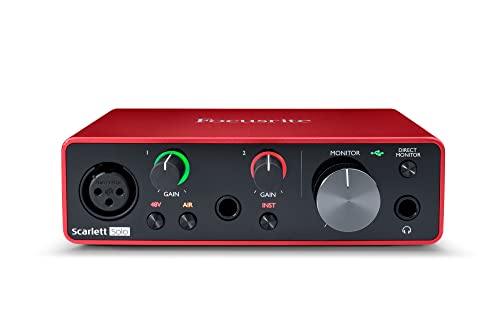
- High-headroom Hi-Z guitar input
- Air mode adds potential acoustic clarity
- 24-bit/192kHz USB recording
Best For: Solo artists recording guitar and vocals at home
Premium Analog Processing

- Discrete mono preamp with Lundahl transformers
- Transient Designer and tube saturation
- Dedicated compressor for dynamic control
Best For: Studios wanting premium analog processing for one guitar channel
Recording Environment Aid

- Five 2-inch foam panels reduce reflections
- Foldable design supports flexible positioning
- Includes a removable adjustable shock mount
Best For: Reducing nearby noise and reflections during microphone recording
Feedback Control Pick

- Flexible tapered fit
- Designed for 4-inch soundholes
- Compatible with most pickup systems
Best For: Amplified acoustic guitars needing feedback control
Noise Control Pick

- Reduces ambient and preamp-floor noise
- Fully analog signal path
- Requires line-level placement after a preamp
Best For: Home studios needing post-preamp noise control
Room Clarity Pick
TroyStudio Diffusion Foam Panels

- 3-inch high-density polyurethane foam
- Absorption plus quadratic-residue diffusion
- 12 panels cover 12 square feet
Best For: Treating reflections in compact recording spaces
Best Heavy-Duty Pick
Alucinico Acoustic Guitar Soundhole Cover
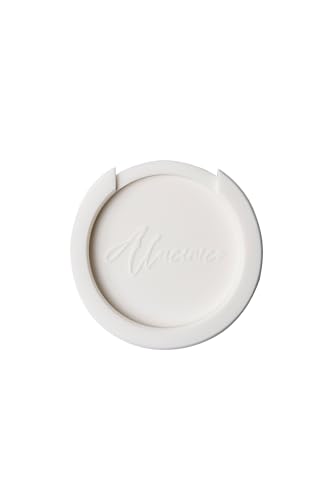
- Flexible tapered contour for quick fitting
- Designed for most 4-inch soundholes
- Works with most pickup systems
Best For: Reducing feedback during amplified acoustic guitar use
Low-Frequency Treatment Pick
Acoustic Foam Corner Bass Traps

- Targets low and mid frequencies in corners
- High-density polyurethane foam
- 12-pack for multi-corner placement
Best For: Supplementing room treatment in compact studios
Tube-Controlled Tone – PreSonus StudioChannel
For players seeking a channel strip for acoustic guitar recording, the PreSonus StudioChannel combines a Class A 12AX7 vacuum-tube preamp, compressor, and three-band EQ in a rackmount unit. Its instrument input, high-pass filter, pad, and flexible tone-shaping controls support detailed acoustic-guitar tracking.
Best For: Home and project studios wanting hands-on tube preamp, compression, and EQ control.
Pros:
- Class A vacuum-tube mic/instrument preamp with adjustable tube drive
- Variable-Q three-band EQ with parametric mids and shelving/peak low and high bands
- VCA compressor includes auto attack/release and soft or hard knee options
- Includes high-pass filter, -20 dB pad, phantom power, and polarity reverse
Cons:
- Its 1U rackmount format is less convenient than a compact USB interface
- Requires separate recording hardware for computer-based capture
The StudioChannel is a strong choice when acoustic-guitar recording benefits from analog gain, compression, and EQ before reaching the recorder. It is especially appealing if you want extensive front-panel control rather than an interface-only workflow.
Compact Interface Pick – Focusrite Scarlett Solo 3rd Gen
The Focusrite Scarlett Solo 3rd Gen is a practical channel strip for acoustic guitar recording when you want a compact USB interface rather than a dedicated analog strip. It offers a Hi-Z instrument input, a mic preamp, switchable Air mode, and recording up to 24-bit/192kHz.
Best For: Solo musicians recording acoustic guitar and vocals directly into a Mac, Windows computer, or compatible iPad.
Pros:
- Dedicated high-headroom instrument input for guitar or bass
- Switchable Air mode can add clarity to acoustic instruments
- 24-bit/192kHz converters and low-noise balanced outputs
- Includes recording software and a USB connection for computer-based production
Cons:
- Does not include the onboard compressor and multi-band EQ found on a traditional channel strip
- Provides one XLR mic preamp and one Hi-Z instrument input, limiting simultaneous sources
Choose the Scarlett Solo if simplicity, portability, and direct computer recording matter more than extensive analog processing. Its Air mode and instrument input make it a straightforward starting point for acoustic-guitar sessions.
Premium Analog Processing – SPL Channel One MK3
The SPL Channel One MK3 is a premium mono channel strip for acoustic guitar recording, built around a discrete preamp and Lundahl input/output transformers. Its Transient Designer, tube saturation, and compressor provide dedicated analog tools for shaping a single recorded source.
Best For: Engineers and studios seeking premium mono analog processing for a featured acoustic-guitar track.
Pros:
- Discrete preamp design with Lundahl I/O transformers
- Includes Transient Designer for shaping attack and sustain
- Tube saturation and compression add further tonal and dynamic control
Cons:
- Mono design is intended for one channel at a time
- Its premium, full-size format may be excessive for simple home recording setups
- The supplied notes do not indicate USB connectivity or included recording software
The Channel One MK3 suits a more hardware-focused studio where the preamp, transformer, transient, saturation, and compressor stages are central to the recording chain. It is best considered a dedicated analog front end rather than an all-in-one computer interface.
Recording Environment Aid – Pyle Microphone Foam Shield
The Pyle Microphone Foam Shield is not a channel strip for acoustic guitar recording, but it can complement one by reducing reflections and external noise around the microphone. Its metal shell, five 2-inch foam panels, foldable design, and removable shock mount create a more controlled close-miking setup.
Best For: Home-recording setups that need additional microphone-area isolation from fans, air conditioning, and room reflections.
Pros:
- Five high-density 2-inch acoustic foam panels help reduce reflections
- Foldable panels allow open or more enclosed positioning
- Removable shock mount supports adjustable microphone depth
- Compatible with stands and tripod speakers using 15mm to 35mm tubes
Cons:
- It is a microphone shield, not a preamp, compressor, EQ, or audio interface
- It cannot replace a channel strip or recording interface in the signal chain
- The supplied notes do not specify acoustic treatment performance for every room
Consider this accessory when room noise and reflections are undermining an otherwise suitable acoustic-guitar recording chain. Pair it with a microphone and channel strip or interface; it addresses the recording environment rather than the guitar signal itself.
Feedback Control Pick – Black Soundhole Suppressor
While it is not a channel strip for acoustic guitar recording, this flexible soundhole cover can be a useful companion for amplified acoustic sessions. Its tapered contour fits most 4-inch soundholes and is designed to help increase volume while suppressing feedback.
Best For: Acoustic guitarists recording or performing with a compatible pickup who need passive feedback control.
Pros:
- Flexible tapered design allows a custom fit without adjustments.
- Designed for most 4-inch acoustic guitar soundholes.
- Compatible with most pickup systems and intended to be safe for finishes and inlays.
Cons:
- It does not provide preamp, EQ, compression, or other channel-strip functions.
- Fit is limited to soundholes around 4 inches in diameter.
This is a simple acoustic-guitar accessory rather than a recording processor. Choose it when feedback reduction is the priority alongside your channel-strip setup.
Noise Control Pick – RO05 Analog Noise Gate
For a channel strip for acoustic guitar recording, the RO05 can serve as an additional line-level noise-control device after your preamp. Its analog expander/gate is designed to reduce ambient and preamp-floor noise without digital conversion, but it should not be connected directly to a microphone.
Best For: Home-studio users who want analog noise reduction after a mic preamp or elsewhere in a line-level signal chain.
Pros:
- Designed to reduce ambient background and preamp-floor noise.
- Fully analog operation avoids signal conversion and is intended for near-zero latency.
- Includes an XLR-to-TRS cable and uses a balanced circuit design.
Cons:
- It is not a complete channel strip with stated EQ, compression, or preamp controls.
- Must be placed after a mic preamp; raw microphone signals are too weak.
- Higher power consumption and a slight power-off circuit echo are noted in the product information.
The RO05 is best viewed as a specialized noise-gate add-on. It may help clean a recording chain, but it will not replace the broader processing found in a full acoustic-guitar channel strip.
Best for Comfort – Brown Soundhole Suppressor
This brown soundhole suppressor is not a channel strip for acoustic guitar recording, but it can complement an amplified acoustic setup by helping control feedback. The flexible rubber-and-silicone design is made to fit most 4-inch soundholes without adjustments.
Best For: Acoustic guitar players using pickup systems who want a discreet, passive way to support higher-volume playing.
Pros:
- Tapered contour supports flexible installation and a custom fit.
- Designed for most 4-inch acoustic guitar soundholes.
- Works with most pickup systems and is intended to be safe for finishes and inlays.
Cons:
- It provides feedback suppression rather than channel-strip processing.
- Its fit may not suit soundholes outside the approximately 4-inch size.
Consider this accessory when acoustic feedback is limiting your recording or performance volume. For tone shaping and dynamics, pair it with a separate preamp or channel-strip solution.
Room Clarity Pick – TroyStudio Diffusion Foam Panels
While not a channel strip for acoustic guitar recording itself, these TroyStudio panels can help create a clearer recording environment by reducing reflections, echo, reverberation, and standing waves. Their 3-inch polyurethane construction combines absorption with diffusion, making them a useful room-treatment option for acoustic guitar setups.
Best For: Home studios, vocal booths, and recording spaces that need broader wall or ceiling treatment.
Pros:
- 3-inch-thick, high-density foam with a stated NRC of 0.9.
- Quadratic-residue pattern helps disperse residual sound after absorption.
- Pack of 12 covers 12 square feet and can be cut for flexible installation.
Cons:
- Foam treatment does not replace an actual channel strip or preamp.
- External adhesive, tape, or screws are needed for installation.
- Only 12 square feet of coverage may be limited for larger rooms.
Choose these panels when the main recording challenge is room reflection rather than signal processing. They are especially practical for improving clarity around a compact acoustic guitar recording area.
Best Heavy-Duty Pick – Alucinico Acoustic Guitar Soundhole Cover
For an acoustic guitar recording setup, feedback control can matter as much as choosing a channel strip for acoustic guitar recording. This flexible, tapered soundhole cover is designed to fit most 4-inch soundholes, allowing higher volume while helping suppress feedback.
Best For: Acoustic guitarists using amplification or pickup systems who need a simple way to reduce feedback.
Pros:
- Tapered, flexible design provides a quick custom fit.
- Designed for most 4-inch acoustic guitar soundholes.
- Compatible with most pickup systems and intended to be safe for finishes and inlays.
Cons:
- It is a feedback suppressor, not a channel strip or recording processor.
- Fit is dependent on having a compatible approximately 4-inch soundhole.
- The supplied notes do not specify its material or detailed frequency response.
This is a focused accessory for managing acoustic-guitar feedback before it reaches your recording chain. It is a sensible companion for amplified recording or louder monitoring situations.
Low-Frequency Treatment Pick – Acoustic Foam Corner Bass Traps
These corner bass traps address a room-acoustics issue that a channel strip for acoustic guitar recording cannot solve on its own. Designed to absorb low and mid frequencies, they can help reduce unwanted reverb and flutter echoes when used alongside broader sound-dampening treatment.
Best For: Small recording studios, vocal booths, control rooms, and home theaters with problematic low-frequency buildup.
Pros:
- Designed for corner placement to target low and mid frequencies.
- High-density polyurethane foam is described as fire-retardant and eco-friendly.
- 12-pack format supports treatment of multiple corners or areas.
Cons:
- Adhesive or double-sided tape is not included.
- The 12-by-3-by-3-inch pieces provide limited physical depth for serious bass control.
- They work best with additional sound-dampening panels rather than as a complete treatment solution.
Consider these traps when room bass and corner reflections are clouding acoustic-guitar recordings. They complement, rather than replace, microphones, preamps, and channel-strip processing.
How We Picked the Best Channel Strip for Acoustic Guitar Recording
We evaluated these products by their role in an acoustic-guitar recording setup, including signal conditioning, connectivity, feedback control, and room treatment. Dedicated channel strips were considered for preamp quality and dynamics processing, while interfaces were judged on practical recording connectivity and ease of use. The remaining picks address common problems that can undermine a good take, such as soundhole feedback, microphone bleed, and reflective rooms.
Because these products do different jobs, the list is not a simple ranking from best to worst. A studio-quality channel strip may be the strongest choice for tone shaping, while a soundhole cover or acoustic panel can deliver a larger improvement when feedback or room reflections are the main issue.
Quick Comparison
| Need | Best product type | What it helps with |
|---|---|---|
| Analog tone and control | Dedicated channel strip | Preamp gain, compression, EQ, and sometimes de-essing or gating |
| Simple computer recording | USB audio interface | Microphone connection, conversion, monitoring, and DAW integration |
| Acoustic-guitar feedback | Soundhole cover | Reduces low-frequency feedback during amplified recording or performance |
| Microphone isolation | Reflection filter | Limits nearby reflections and some unwanted room sound |
| Room reflections and bass buildup | Acoustic foam or bass traps | Improves the monitoring and recording environment |
Key Buying Factors for a Channel Strip for Acoustic Guitar Recording
Preamp Character and Headroom
Choose a preamp that offers enough clean gain for your microphone without excessive hiss. Tube designs can add warmth and harmonic color, while transparent solid-state circuits preserve the microphone and guitar’s natural character. Headroom matters when strong strumming or transients approach the input.
Useful Processing Controls
Compression can even out picking dynamics, EQ can remove muddiness or add presence, and a gate or expander can reduce pauses and background noise. For acoustic guitar, subtle processing is usually preferable; aggressive compression or gating can make the instrument sound unnatural.
Connections and Workflow
Confirm whether the unit is an analog channel strip that requires a separate audio interface or a USB interface that connects directly to your computer. Check microphone inputs, phantom power, balanced outputs, monitoring controls, and compatibility with your recording setup before buying.
Room and Feedback Control
A channel strip cannot fix reflections, HVAC noise, or acoustic feedback on its own. A soundhole cover may help with feedback, while a reflection shield and strategically placed acoustic treatment can improve microphone isolation. Foam is most effective when used as part of a broader room-treatment plan rather than as a complete soundproofing solution.
Who Should Buy Which Channel Strip for Acoustic Guitar Recording?
Choose a dedicated channel strip if you already own an interface and want hands-on preamp, EQ, compression, or tube coloration before the signal reaches your DAW. This is the most flexible route for experienced home recordists and project studios.
Choose a USB interface if you need a straightforward, compact recording setup with minimal additional hardware. It is usually the sensible starting point for beginners recording one microphone or guitar at a time.
Choose a soundhole cover or noise-control accessory if feedback and unwanted ambient sound are preventing usable takes. These inexpensive additions can complement either a channel strip or an interface.
Choose acoustic panels, foam, or bass traps if recordings sound boxy, echoey, or inconsistent from one position to another. Treat the most problematic reflection points first, then refine microphone placement and gain settings.