Choosing the right mic can make a radio voice sound polished, consistent, and easy to listen to. The best broadcast microphone for radio depends on your room, your voice, and whether you need XLR, USB, or handheld convenience.
This roundup focuses on 10 practical picks that cover studio broadcast, podcast-style voice work, and radio communication use cases, so you can match the mic to your workflow with less guesswork.
Best 10 Broadcast Microphone for Radio Picks for 2026
Classic Broadcast Standard
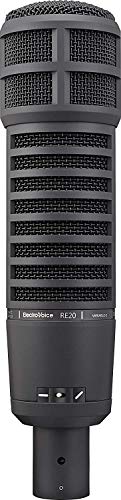
- Variable-D design helps reduce proximity effect.
- Internal pop filter and shock mount help limit plosives and rumble.
- Dynamic cardioid pattern supports focused vocal pickup.
Best For: FM radio, voiceover, and studio spoken-word recording
Flexible USB/XLR Performer
FIFINE K688 Dynamic Microphone

- USB and XLR outputs add setup flexibility.
- Cardioid pattern helps reduce background noise.
- Includes mute, gain, and monitoring controls in USB mode.
Best For: Creators who want easy desktop recording and XLR upgrade options
Simple CB Replacement

- 4-pin connector with a 9-foot cord suits vehicle installs.
- Heavy-duty ABS shell and mesh grille improve durability.
- Left-side push-to-talk keeps operation simple.
Best For: CB radio owners needing a basic replacement microphone
Budget USB Broadcast Mic

- Plug-and-play USB setup for PC and Mac
- Cardioid pickup helps reduce background noise
- Metal build with tripod stand and volume knob
Best For: Beginners needing an easy desktop mic for voiceovers and casual radio-style use
Radio Speaker Mic Pick
BAOFENG Microphone for Ham Radios

- Made for compatible Baofeng and Quansheng handheld radios
- Includes 3.5mm headphone jack and fixed clip
- Lightweight accessory for portable radio communication
Best For: Handheld radio operators and security-style comms users
Pro Broadcast Standard
Shure SM7B Dynamic Studio Microphone
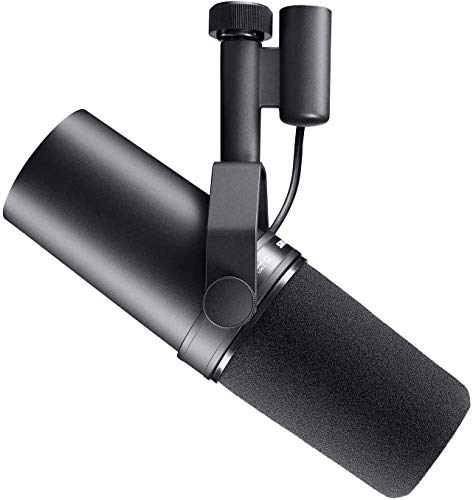
- Dynamic cardioid mic with warm, balanced vocal tone
- Built-in pop filtering and windscreen for cleaner speech
- XLR output works with mixers and audio interfaces
Best For: Professional broadcasters and podcasters building an XLR voice chain
Budget Tactical Speaker Mic

- Volume-adjustable handheld speaker mic
- IP54 waterproof design for outdoor use
- Works with many Baofeng/Kenwood radios
Best For: Outdoor radio users who need a clearer handheld mic
Broadcast-Grade XLR Pick
RØDE PodMic Dynamic Broadcast Mic

- Cardioid dynamic mic rejects room noise
- Built-in pop filter and shock mount
- Requires XLR interface or mixer
Best For: Radio-style podcast and streaming setups with an audio interface
Value XLR Vocal Mic

- Cardioid dynamic pattern cuts background noise
- Handles loud vocals up to 120 dB SPL
- Includes tripod stand; XLR cable not included
Best For: Budget creators building a voice-focused XLR setup
Classic Broadcast Standard – Electro-Voice RE20 Black
If you want a broadcast microphone for radio with a proven, smooth voice sound, the Electro-Voice RE20 is a strong traditional choice. Its Variable-D design helps keep vocal tone consistent when you work close to the mic, while the dynamic cardioid pattern and internal pop filter support clean, controlled spoken-word capture.
Best For: FM radio hosts, voiceover talent, podcasters, and studio speakers who want a dependable broadcast-style mic.
Pros:
- Variable-D technology helps reduce proximity effect for more even vocal tone.
- Internal pop filter and shock mount help cut plosives, vibration, and handling noise.
- Dynamic cardioid pickup focuses on the voice and reduces off-axis coloration.
- Steel body, bass roll-off switch, and XLR connectivity suit pro studio use.
Cons:
- It is a larger, heavier microphone at 2.9 pounds.
- XLR output means it requires the right audio interface or mixer.
The RE20 is built for users who value consistent broadcast performance over trendy extras. If your priority is a classic radio voice with practical noise control, it remains one of the most straightforward picks here.
Rugged Two-Way Option – commountain 2-Pin Speaker Mic
For a broadcast microphone for radio use on handheld two-way radios, this commountain speaker mic is built around clear communication and rugged field durability. It is designed for compatible Baofeng-style radios with a Kenwood-type 2-pin audio jack, and its reinforced cable and heavy-duty clip make it practical for demanding on-the-go work.
Best For: Users who need a durable speaker mic for compatible portable two-way radios.
Pros:
- Compatible with a wide range of Baofeng, Kenwood, Retevis, and similar radios.
- Rugged polycarbonate housing and reinforced TPU/Kevlar cable improve durability.
- High-performance micro speaker and noise-canceling mic support clear sound transmission.
- Swivel clip and compact shoulder-mic design make it easy to carry and wear.
Cons:
- It is not waterproof and is only rated IP54.
- Compatibility must be checked carefully before purchase.
- It is intended for two-way radios, not studio or podcast recording.
This is a practical communication accessory rather than a studio broadcast mic, but it fits the roundup if your radio setup uses a compatible handheld system. The value is in tough construction and clear transmission, not in voice coloration or recording features.
Flexible USB/XLR Performer – FIFINE K688 Dynamic Microphone
If you want a broadcast microphone for radio-style voice work with more connection flexibility, the FIFINE K688 is a practical option. It offers both XLR and USB output, a cardioid pickup pattern for reducing background noise, and built-in controls that make everyday recording easier on a desktop or laptop.
Best For: Streamers, podcasters, and voice-over creators who want USB convenience with XLR upgrade potential.
Pros:
- Dual USB and XLR connectivity supports simple plug-and-play use or a more advanced studio chain.
- Cardioid pattern helps cut background noise like fans and hard drives.
- USB mode adds mute, gain, and headphone monitoring controls for easy operation.
- Includes a shock mount and windscreen to help reduce plosives and desk vibration.
Cons:
- XLR cable, boom arm, and mic stand are not included.
- Several control features work only in USB mode.
The K688 is a good fit if you want one mic that can handle casual desktop recording now and a more serious audio setup later. It is less of a classic broadcast staple than the RE20, but it offers more built-in convenience for mixed-use creators.
Simple CB Replacement – Cobra HG M73 Dynamic Mic
For users looking for a broadcast microphone for radio-style CB communication, the Cobra HG M73 is a straightforward replacement mic with a wired 4-pin connection and a long 9-foot cord. Its handheld form factor and unidirectional pickup are aimed at dependable in-vehicle use rather than studio recording.
Best For: CB radio users who need a basic replacement microphone with a long cord and simple operation.
Pros:
- 4-pin connector and 9-foot cord provide practical reach in vehicle installations.
- Unidirectional pickup supports focused voice capture.
- Heavy-duty ABS shell and wire mesh grille add durability.
- Left-side push-to-talk design keeps operation familiar and simple.
Cons:
- It is designed for CB radio use, not studio broadcasting.
- No advanced voice-shaping or monitoring features are listed.
- Requires compatible 4-pin radio hardware.
This Cobra mic makes sense when you need a no-frills replacement that matches the radio’s connector and cabling needs. It is the most utilitarian option in the group, focused on reliable communication rather than polished broadcast tone.
Budget USB Broadcast Mic – FIFINE K669B USB Microphone
If you want a simple broadcast microphone for radio-style voice work, the FIFINE K669B is a straightforward USB option for PC, Mac, and gaming setups. It plugs in directly with no phantom power required, and the cardioid pattern helps keep your voice clear while reducing background noise for basic streaming, voice-over, and online recording.
Best For: Entry-level creators who want an easy plug-and-play mic for voiceovers, podcasts, and casual broadcast use.
Pros:
- Plug-and-play USB connection with included USB-A/C cable
- Cardioid condenser design focuses on your voice and cuts background noise
- Built-in volume knob gives quick level control and privacy muting
- Metal body and tripod stand add a more durable desktop setup
Cons:
- Not compatible with Xbox or phones
- Requires a desktop or laptop USB port
- Better suited to basic broadcast and voice work than pro studio chains
For the price, this is a practical choice if you need a dependable desktop mic for broadcast-style speaking without extra gear. It is especially appealing when simplicity, clear voice pickup, and easy setup matter more than advanced studio control.
Radio Speaker Mic Pick – BAOFENG Microphone for Ham Radios
For handheld radio use, this BAOFENG speaker mic is a practical accessory rather than a studio-style broadcast microphone for radio. It is made for compatible Baofeng and Quansheng handhelds, giving you a lightweight way to speak and monitor with a 3.5mm headphone jack and a 360° fixed clip.
Best For: Ham radio users, security-style comms, and handheld operators who want a compact speaker mic accessory.
Pros:
- Designed for a wide list of compatible Baofeng handheld radios
- Includes a 3.5mm headphone jack for monitoring
- 360° stainless fixed clip makes attachment easy
- Lightweight build is easy to carry during radio use
Cons:
- Not a studio microphone for broadcasting or podcasting
- Compatibility depends on supported radio models
- Water resistance is not included
This is a sensible add-on if your goal is clearer handheld radio communication and convenient push-to-talk use. It is not aimed at content creation studios, but it does fit the radio-centric use case well.
Pro Broadcast Standard – Shure SM7B Dynamic Studio Microphone
If you are shopping for a broadcast microphone for radio, the Shure SM7B is the most studio-focused option here. Its dynamic cardioid design, built-in pop filtering, and detachable windscreen are built to deliver smooth, warm vocals with reduced plosives and background noise for voice-heavy production.
Best For: Podcasters, broadcasters, and vocal creators who want a professional XLR mic with strong noise control.
Pros:
- Dynamic cardioid pickup helps keep the voice front and center
- Built-in pop filter and detachable windscreen reduce breath and plosive noise
- XLR output gives full control through mixers and audio interfaces
- Rugged metal construction with electromagnetic shielding
Cons:
- Requires an XLR interface or mixer, so setup is less simple than USB
- At least 60dB of gain is recommended for best results
- Audio chain may need extra gear for ideal performance
The SM7B is the clear professional choice if your priority is polished spoken-word sound and a broadcast-ready voice. It asks for more supporting equipment, but it rewards that setup with the most refined audio of the group.
Budget Tactical Speaker Mic – BAOFENG Heavy Speaker Mic
If you need a broadcast microphone for radio-style communication rather than studio voice work, this BAOFENG speaker mic is built for practical two-way use. It focuses on clear transmission, adjustable output, and broad compatibility with common Baofeng and Kenwood-style handhelds, making it a simple add-on for field communication.
Best For: Patrol teams, outdoor users, and walkie-talkie owners who want a clearer handheld mic with volume control.
Pros:
- Adjustable volume with high and low settings on the mic itself.
- Super clear sound with anti-noise microphone design for noisy environments.
- Compatible with many popular Baofeng, Kenwood, and related models.
- Waterproof IP54 construction for outdoor and team use.
Cons:
- Designed for two-way radios, not for computer or studio broadcasting.
- Best suited to compatible pin layouts and radio models only.
This is a straightforward pick if your priority is dependable radio communication in the field. It is less about polished vocal capture and more about convenient, clear, everyday transmit/receive use.
Broadcast-Grade XLR Pick – RØDE PodMic Dynamic Broadcast Mic
The RØDE PodMic is a strong broadcast microphone for radio-style voice work when you already have an audio interface. Its cardioid dynamic design is aimed at rejecting room noise and background sound, while the built-in pop filter and internal shock mount help keep spoken audio clean and consistent.
Best For: Podcasters, streamers, and radio-style vocal setups that already use an XLR interface or mixer.
Pros:
- Cardioid dynamic capsule helps reject room noise and background sound.
- Built-in pop filter and swing mount reduce the need for extra accessories.
- Broadcast-grade construction with internal shock mount.
- XLR output works with RØDECaster devices and other compatible interfaces.
Cons:
- XLR only, so it does not plug directly into a computer via USB.
- Requires an audio interface or mixer to use.
If you want a serious voice mic for broadcast-style recording, this one delivers the right toolset. Just be sure your setup already includes an interface, since it is not a plug-and-play USB model.
Value XLR Vocal Mic – FIFINE K669D Dynamic XLR Mic
If you are shopping for a broadcast microphone for radio, the FIFINE K669D is a practical XLR dynamic option for voice-focused work. It is designed to block background noise, handle louder vocals, and pair with an interface or mixer for cleaner recording in streaming, podcasting, or voice-over setups.
Best For: Budget-minded creators who need an XLR vocal mic for podcasting, streaming, or voice-over.
Pros:
- Dynamic cardioid pattern helps reduce background noise and popping.
- Handles high-energy vocals with SPL up to 120 dB.
- Metal build with included tripod stand and standard 3/8″ and 5/8″ threads.
- Works with mixers and audio interfaces for flexible setup.
Cons:
- XLR only, so it needs an interface or mixer.
- XLR cable is not included.
This mic makes sense if you want a low-noise voice microphone without paying for extras you may not need. It is a solid fit for recording spaces where you want straightforward, upgradable XLR performance.
How We Picked the Best Broadcast Microphone for Radio
We prioritized microphones and mic accessories that fit real-world radio use: clean spoken-word capture, durable construction, and compatibility with common setups. For a Broadcast Microphone for Radio, that means favoring strong voice focus, manageable handling noise, and connection options that suit both home studios and mobile use.
We also looked at whether each model is best for traditional broadcasting, podcast-style announcing, or radio communication accessories, since those needs overlap but are not identical.
Quick Comparison
If you want a classic studio sound, dynamic XLR microphones are usually the safest bet. If you need portability or simple plug-and-play recording, USB models are easier to start with. For handheld radio and CB use, the right speaker mic or replacement microphone matters more than studio tone and more about durability, connector fit, and noise rejection.
Key Buying Factors for Broadcast Microphone for Radio
Mic Type and Pickup Pattern
Dynamic cardioid models are popular for radio because they reject room noise and keep the voice centered. Condenser mics can sound more detailed, but they also pick up more background sound, which may be a downside in untreated spaces.
Connection and Compatibility
Check whether you need XLR, USB, 4-pin CB, or a two-pin radio connector. A great mic is the wrong choice if it does not match your mixer, interface, or transceiver.
Room Noise and Voice Style
If your space is noisy, choose a mic that emphasizes close speech and reduces off-axis sound. If your voice is naturally bright or sharp, a smoother dynamic mic can help soften sibilance and fatigue.
Build Quality and Workflow
Radio gear tends to get used often, moved around, and handled quickly. Metal bodies, sturdy cables, mute controls, and solid mounts can improve reliability and reduce setup friction.
Who Should Buy Which Broadcast Microphone for Radio?
Choose a studio-focused XLR dynamic mic if you want the most traditional broadcast sound and already have an interface or mixer. Pick a USB mic if you want an easier setup for smaller home studios or solo voice work. If you need a handheld or speaker mic for ham, CB, or two-way radio use, prioritize connector compatibility and rugged construction over studio features.
For most buyers, the best Broadcast Microphone for Radio is the one that fits the room, the gear, and the speaking style you already have. Start with compatibility, then compare noise rejection, tonal balance, and durability to narrow the field quickly.