Great compression can make mixes feel tighter, vocals sit better, and live rigs stay controlled without sounding harsh. The right processor depends on where you use it, what you’re compressing, and how much hands-on control you want.
In this roundup, we focus on versatile audio compressors for studio recording, stage use, streaming, and rackmount setups, with picks that balance sound quality, features, and value.
Best 10 Audio Compressors Picks for 2026
Rack Dynamics Control

- 1U compressor/gate with clear LED threshold and gain reduction displays.
- Program-adaptive expander/gate with smoother release behavior.
- Good for leveling, sustain, drum punch, and mix tightening.
Best For: Portable rigs, touring, and straightforward studio dynamics control.
Vintage FET Character
Klark Teknik 76-KT FET Compressor

- 1176LN-inspired FET compressor with classic fast response.
- Discrete signal path plus Class-A output amplifier and MIDAS transformers.
- Selectable ratios and all-button mode for more aggressive tones.
Best For: Producers and engineers wanting vintage FET compression character.
Dual-Channel Utility Pick
Behringer Composer Pro-XL MDX2600

- 2-channel compressor/limiter/gate with built-in de-esser.
- Suited to audio production, mixing, and mastering tasks.
- Compact rack unit with a 2-year warranty listed.
Best For: Budget-minded studios needing versatile dual-channel dynamics.
Stereo Rack Workhorse
ART SCL2 Dual/Stereo Compressor
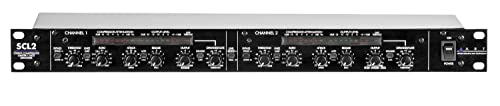
- Dual-channel or linked stereo compression and limiting.
- Balanced TRS and XLR inputs with stereo balance control.
- Auto/manual attack-release options with LED metering.
Best For: Stereo bus work and dual-channel rack setups.
Inline Vocal Leveling
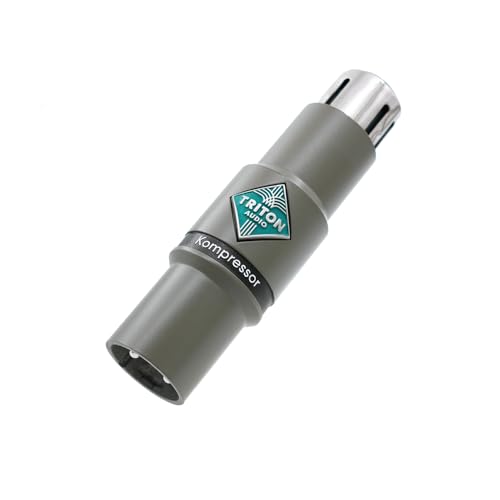
- Inline FET-OPTO compressor with 25 dB gain boost
- Simple one-knob control for easy leveling
- Blocks phantom power from reaching ribbon mics
Best For: Dynamic and ribbon microphones that need clean gain and source compression
Studio-Style Control
ART Solo VLA Single Channel Compressor

- Selectable tube or solid-state voicing
- OPTO compression with variable dry/wet blend
- Switchable +4 dBu and -10 dBV level modes
Best For: Single-channel studio compression with flexible voicing and signal blending
Pedal Sustain Control

- Classic guitar compressor pedal for even dynamics
- Adds sustain with simple sensitivity control
- Runs on 9V battery or AC adapter
Best For: Guitarists who want a straightforward sustain and leveling pedal
Dual-Channel Studio Control
Audio Compressor with Noise Gate

- Dual-channel compression with Overeasy behavior
- XLR/TRS I/O and 1U rackmount format
- Built-in noise gate plus sidechain insert
Best For: Studio, live, or streaming users needing flexible dual-channel control
Classic Stereo Glue
Warm Audio Bus-Comp Stereo VCA Compressor

- Stereo VCA bus compressor for mix-bus work
- Five ratios plus sidechain input filter
- CineMag transformers for added hardware character
Best For: Mix engineers wanting stereo bus compression with transformer color
Rackmount Vocal Tamer
Dual-Channel Audio Compressor/Limiter

- Dual-channel compressor/limiter for vocals and instruments
- Noise gate, sidechain insert, and LED metering
- XLR/TRS connectivity with classic VCA circuitry
Best For: Rackmount vocal and live-sound compression with clear monitoring
Rack Dynamics Control – dbx 266xs Compressor/Gate
The dbx 266xs is a practical choice for audio compressors when you want straightforward level control, gating, and fast setup in a single rack unit. Its LED readouts and program-adaptive behavior make it easy to dial in smoother vocals, tighter drums, or more controlled mixes without a complicated workflow.
Best For: Portable rigs, touring setups, and studio users who want a simple compressor/gate with clear front-panel feedback.
Pros:
- Error-proof operation for smoothing uneven levels and adding sustain or punch.
- Program-adaptive expander/gate with new gate timing algorithms for smoother release.
- Separate LED displays for gain reduction, compression threshold, and gate threshold.
- 1U rack format makes it easy to fit into compact live or studio setups.
Cons:
- Single-rack hardware means it is not a flexible multichannel processor.
- Focused on core dynamics control rather than advanced feature depth.
The 266xs keeps the controls practical and the feedback visible, which is helpful if you need reliable compression and gating without a learning curve. It is a solid utility processor for users who value speed and clarity over elaborate routing.
Vintage FET Character – Klark Teknik 76-KT FET Compressor
This Klark Teknik unit is one of the more characterful audio compressors in the group, built around a classic FET-style design modeled after iconic 1176LN revisions. It is aimed at users who want discrete signal path construction, transformer color, and the familiar fast, aggressive compressor behavior associated with that style.
Best For: Engineers and producers looking for a vintage-inspired FET compressor with a discrete path and transformer-based output stage.
Pros:
- Modeled after iconic 1176LN D and E revisions.
- Completely discrete signal path with Class-A line-level output amplifier.
- Custom-built MIDAS input and output transformers.
- Push-button ratio options plus all-button mode and adjustable attack/release.
Cons:
- More specialized in tone and behavior than a basic utility compressor.
- Rack hardware is best suited to permanent studio or live install use.
The 76-KT is a strong fit when you want compression that contributes character as well as control. Its vintage-inspired architecture and selectable ratios make it easy to shape dynamics with a more musical, classic feel.
Dual-Channel Utility Pick – Behringer Composer Pro-XL MDX2600
The Behringer Composer Pro-XL MDX2600 is a practical option for audio compressors if you need a 2-channel compressor/limiter/gate with de-essing built in. It is aimed at audio production, mixing, and mastering workflows where a single rack processor can handle several basic dynamics tasks.
Best For: Budget-conscious users who want a dual-channel dynamics processor with compressor, limiter, gate, and de-esser functions.
Pros:
- 2-channel compressor/limiter/gate design covers multiple dynamics tasks.
- Includes de-esser support for cleaner vocal or harsh-frequency control.
- Useful for audio production, mixing, and mastering applications.
- Compact, portable rack hardware with a 2-year warranty listed.
Cons:
- Feature set is broad, but not as specialized as higher-end single-purpose units.
- Details provided do not emphasize extensive front-panel feedback or advanced routing.
The MDX2600 is a sensible all-in-one dynamics processor when you need to handle more than just compression. It works best as a functional studio utility for users who value versatility and simple channel count over premium build extras.
Stereo Rack Workhorse – ART SCL2 Dual/Stereo Compressor
The ART SCL2 is a good fit for buyers comparing audio compressors for stereo bus or dual-channel use. Its linked stereo operation, balanced inputs, and selectable attack/release settings make it practical for situations where matched control across two channels matters.
Best For: Stereo processing, dual-channel setups, and users who want balanced I/O with flexible attack and release control.
Pros:
- Dual channel or linked stereo operation for flexible routing.
- Balanced 1/4-inch TRS and XLR inputs support pro audio setups.
- Stereo mode balance control helps manage paired channels.
- Selectable auto/manual attack and release with precise LED level meters.
Cons:
- Rack-format hardware is less convenient for mobile, grab-and-go use.
- Function set is focused on core dynamics control rather than specialty extras.
The SCL2 stands out as a dependable stereo or dual-channel dynamics tool with the controls needed for careful setup. It is especially useful when you want matched compression behavior and clear metering in a traditional rack unit.
Inline Vocal Leveling – Triton Audio Kompressor
If you need audio compressors that sit right at the mic and help tame peaks before they hit your interface, the Triton Audio Kompressor is built for exactly that job. This inline FET-OPTO unit combines compression with up to 25 dB of gain, making it a practical fit for low-output dynamic and ribbon microphones in podcasts and recording setups.
Best For: Dynamic and ribbon mic users who want simple source-level compression and extra clean gain.
Pros:
- Inline FET-OPTO design combines compression and a 25 dB preamp boost in one compact XLR barrel.
- Works with dynamic and ribbon microphones, including low-output models that need extra sensitivity.
- One-knob control makes it easy to move from less to more compression without a complex setup.
- Requires 48V phantom power but blocks it from reaching the microphone, which helps protect ribbon mics.
Cons:
- Only offers a simple one-knob approach, so it is not for users who want detailed compressor controls.
- Depends on phantom power to operate, even though it protects the microphone from that power.
This is a focused, no-fuss solution for cleaning up vocal or instrument sources at the input stage. If your priority is consistent, broadcast-ready audio from a dynamic or ribbon mic, it delivers that in a very compact form.
Studio-Style Control – ART Solo VLA Single Channel Compressor
Among audio compressors, the ART Solo VLA is aimed at users who want more of a studio-style signal path and flexible voicing. It offers selectable multi-voice tube or solid-state control, OPTO compression, and a variable blend of uncompressed and compressed signals, which makes it useful when you want shaping options rather than a single fixed character.
Best For: Engineers and musicians who want a single-channel compressor with flexible voicing and blend control.
Pros:
- Selectable multi-voice tube or solid-state control gives you different compressor characters.
- OPTO analog optical isolators provide the compression stage.
- Variable blend lets you mix compressed and uncompressed signals.
- Switchable +4 dBu/-10 dBV level modes help it fit different signal setups.
Cons:
- Larger and heavier than compact inline or pedal-style options.
- Uses a corded electric power source, so it is not designed for portable battery use.
This is the most feature-rich option in the group, especially if you want to tailor the feel of the compression and match different level standards. It suits a more traditional studio rack-style workflow than a quick grab-and-go setup.
Pedal Sustain Control – MXR Dyna Comp Compressor
If you are shopping audio compressors for guitar, the MXR Dyna Comp is a classic inline pedal choice for evening out signal and adding sustain. Its compression circuit and sensitivity control are aimed at stable dynamics, and the compact analog design keeps the focus on straightforward tone shaping rather than extra features.
Best For: Guitar players who want a simple compressor pedal for sustain and more even dynamics.
Pros:
- Classic in-line compressor design helps even out the signal to your amplifier.
- Useful for increased sustain with stable dynamics.
- Simple knob-based control keeps operation straightforward.
- Can run on a 9V battery or an AC adapter for flexible powering.
Cons:
- Offers a basic control set, so it is not meant for advanced compression tweaking.
- Built as a pedal, so it is not a mic-level or studio rack compressor.
This remains an easy recommendation if you want a proven compressor pedal with a direct, musical purpose. It is best treated as a tone-and-sustain tool for guitar rather than a general-purpose studio dynamics processor.
Dual-Channel Studio Control – Audio Compressor with Noise Gate
If you’re comparing audio compressors for a studio, live, or streaming setup, this dual-channel rack unit focuses on smooth dynamics control without getting fussy. Its Overeasy compression, auto attack/release, and classic VCA circuitry make it a practical choice for vocals, guitars, drums, and other sources that need clean, natural leveling.
Best For: Studio or live users who want flexible dual-channel compression with sidechain control and a built-in noise gate.
Pros:
- Dual-channel design with Overeasy compression and auto attack/release for natural control
- XLR and 1/4″ TRS inputs and outputs for flexible rack integration
- LED indicators for gain reduction, compression, and gate thresholds
- Side chain insert and noise gate add useful control for tighter mixes
Cons:
- Designed as a 1U rackmount unit, so it requires rack space
- May be more compressor than needed for simple one-channel setups
Overall, this model is geared toward users who want straightforward hands-on control and reliable dynamic shaping in a professional format. The sidechain insert and gate help it go beyond basic compression, making it a solid pick for tracking and live work.
Classic Stereo Glue – Warm Audio Bus-Comp Stereo VCA Compressor
Among audio compressors built for mix-bus work, this stereo VCA unit is aimed at adding controlled cohesion to recordings and mixes. With five ratios, a side chain input filter, and CineMag transformers, it is set up for users who want a more traditional bus-compression workflow.
Best For: Mix engineers and recording users looking for a stereo bus compressor with transformer color and sidechain filtering.
Pros:
- Stereo VCA bus compressor designed for mixing and recording
- Five ratios for flexible compression behavior
- Side chain input filter helps shape how the compressor reacts
- CineMag transformers are included for a classic hardware feel
Cons:
- Heavier, larger hardware piece at 9.7 pounds and 24.5-inch length
- Focused on bus compression rather than general all-purpose use
This is the most mix-oriented option in the group, with a feature set that supports subtle glue rather than aggressive control. If your priority is stereo bus compression with transformer character and practical filtering, it fits that role well.
Rackmount Vocal Tamer – Dual-Channel Audio Compressor/Limiter
If you want audio compressors that can handle vocals and other dynamic sources in a rack setup, this dual-channel compressor/limiter keeps the workflow simple. It combines Overeasy compression, adjustable attack and release, XLR/TRS connectivity, LED metering, a noise gate, and a sidechain insert for practical studio and live use.
Best For: Users who need a rackmount compressor/limiter for vocals, streaming, and live sound with useful metering and gating.
Pros:
- Dual-channel design for vocals, guitars, drums, and more
- Classic VCA circuit aims for clear, warm vocal presence
- LED indicators show gain reduction, compression, and gate thresholds
- Noise gate and sidechain insert add tighter control over problem signals
Cons:
- Rackmount format may be unnecessary for small desktop setups
- Analog, corded unit may not suit users wanting a portable solution
In practical terms, this model is built for people who want a versatile hardware compressor without a complicated learning curve. Its combination of gating, sidechain routing, and clear metering makes it especially useful when you need clean results quickly.
How We Picked These Audio Compressors
We prioritized units that offer practical dynamic control, reliable build quality, and features that matter in real-world use. That means looking at compression behavior, available ratios and controls, sidechain options, stereo or dual-channel flexibility, and whether the design fits vocals, buses, instruments, or live signal chains.
We also considered setup convenience. Some buyers need compact in-line tools for a single mic, while others want rackmount Audio Compressors for full studio or FOH workflows. Value mattered too: the best choice is not always the most expensive one, but the one that matches your application cleanly.
Quick Comparison
For transparent bus control, a stereo VCA design is often the best fit. For vocals and live channels, a dual-channel rack unit with gate or de-essing can be more useful. If you want character, FET- or tube-style compression tends to add more coloration and punch. In-line compressors are ideal when space is tight or you need simple control right at the mic input.
Key Buying Factors for Audio Compressors
Channel Count and Routing
Decide whether you need a single channel, dual channel, or true stereo link. Stereo-linked units are better for mix buses and overheads, while dual-channel models are often more flexible for separate vocals, bass, or instruments.
Compression Style
VCA compressors usually favor precision and clean control. FET designs are fast and punchy, while optical and vari-mu style circuits often feel smoother and more musical. Choose based on whether you want transparency or character.
Extra Processing
Some Audio Compressors add a gate, limiter, de-esser, or sidechain insert. These features can save rack space and simplify vocal cleanup, but only pay for them if you will actually use them.
Form Factor and Workflow
Rackmount units suit studios and live rigs. Compact in-line compressors work well for simple microphone chains and mobile setups. Make sure the layout, metering, and controls match how often you will adjust settings on the fly.
Who Should Buy Which Audio Compressors?
Choose a clean, feature-rich rack compressor if you need versatility across vocals, instruments, and live mixing. Pick a bus compressor if you are focused on mix glue and stereo cohesion. Go with a character compressor if you want more tone-shaping and punch. If you only need quick control for one microphone, a compact in-line model is the simplest option.
Ultimately, the best Audio Compressors are the ones that fit your signal path, your space, and the kind of control you want to hear every day.