A good digital speaker processor can do more than split frequencies. It helps you tune your system, control delays and EQ, and protect drivers from unwanted peaks.
Whether you are building a car audio setup, a karaoke rig, or a live sound system, the right processor can make the whole system sound cleaner, louder, and more balanced.
Best 10 Digital Speaker Processor Picks for 2026
Professional PA Control
dbx DriveRack PA2 2x6 PA Loudspeaker Management System

- 2-in/6-out loudspeaker management processor
- AutoEQ and AFS for fast system tuning
- App control from Android, iOS, Mac, or Windows
Best For: DJs and PA users needing rack-mounted loudspeaker management
Car Audio Tuning
PRV AUDIO DSP 2.4X Digital Crossover and Equalizer

- Dual-input DSP with four independent outputs
- 15-band EQ plus 12 built-in presets
- Sequencer trigger connection for system control
Best For: Car audio users wanting flexible DSP and preset tuning
Stage-Ready Processing
Dual-Input Six-Output Digital Speaker Management Processor

- Dual-input, six-output speaker management design
- Dante network integration for low-latency audio
- 24-bit/192kHz processing for high-fidelity systems
Best For: Large stage and PA systems needing networked processing
Expanded Car DSP
PRV AUDIO DSP 2.8X Digital Crossover and Equalizer
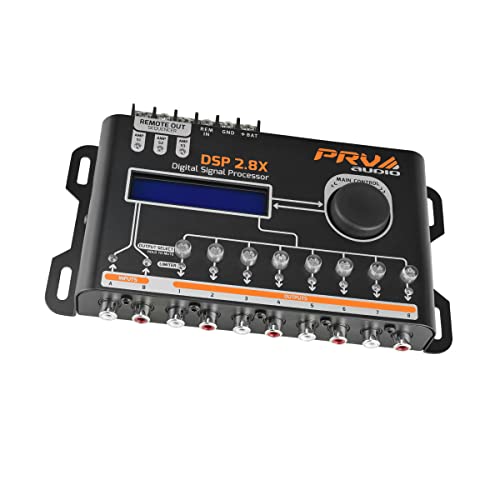
- Eight-channel output DSP for larger car installs
- 15-band EQ with 12 preset sound modes
- Parametric EQ and sequencer trigger features
Best For: Custom car audio systems needing more output channels
Pro 2-In/6-Out DSP
2-In/6-Out Audio Processor for DJ and Studio Use
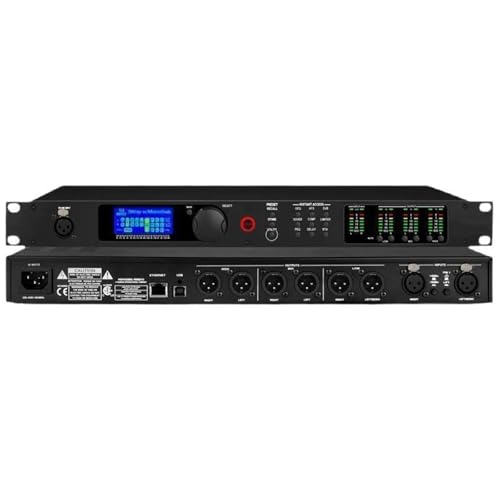
- 2 inputs and 6 outputs for flexible routing
- Graphic and 8-band parametric EQ included
- LCD screen plus computer software control
Best For: DJs, KTV, and conference audio setups
Floating PRO DSP
Stetsom STX2448 Pro Digital Signal Processor

- RCA and high-level input support
- 15-band EQ with crossover and limiter
- Floating PRO mode for expanded DSP options
Best For: Car audio systems needing advanced tuning and input flexibility
Karaoke Anti-Howling DSP
Depusheng X5 Digital Audio Processor
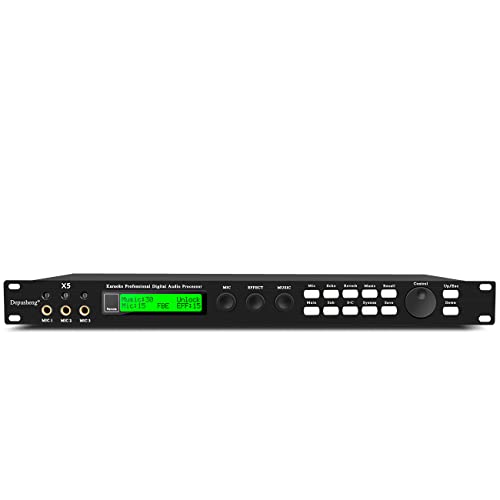
- Anti-howling processing for feedback control
- 3 microphone channels with PC control
- 7-band music EQ and 15-band mic EQ
Best For: Karaoke and vocal systems needing feedback prevention
Car Audio DSP Amplifier
BTS880 4-In/8-Out DSP with Bluetooth
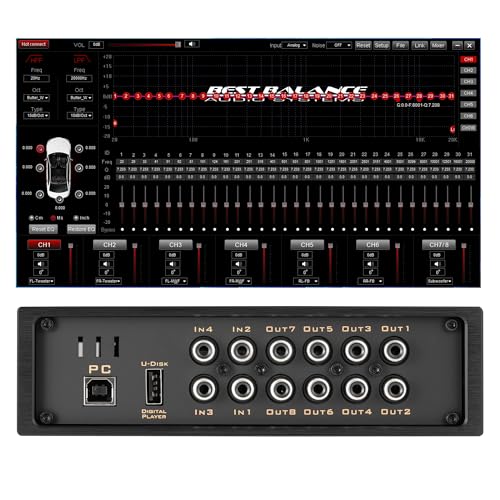
- DSP amplifier with 31-band EQ and crossover control
- Bluetooth 5.0 streaming plus lossless audio support
- Flexible inputs and outputs for factory or upgraded systems
Best For: Drivers upgrading factory car audio with one integrated DSP solution
Rack-Mount DSP Processor
DP-26 2-In/6-Out Loudspeaker Manager

- 2-in/6-out DSP with crossover, EQ, limiter, and delay tools
- Front-panel controls plus USB, RS485, and PC software support
- Built for professional line array and loudspeaker management
Best For: Professional installers managing multi-speaker systems
Karaoke DSP Processor
5.1 Channel Audio Processor with Anti-Howling

- Anti-howling processing helps suppress feedback during vocal use
- 5.1 channel output with dedicated subwoofer output
- Three microphone channels with adjustable EQ settings
Best For: Karaoke and home theater users who need vocal processing
Professional PA Control – dbx DriveRack PA2 2×6 PA Loudspeaker Management System
If you need a digital speaker processor for live sound, the dbx DriveRack PA2 is built to handle full loudspeaker management in one rack-mount unit. It combines 2-in/6-out processing, AutoEQ, AFS feedback suppression, and app-based control, making it a practical choice for dialing in a PA system quickly.
Best For: DJs, PA operators, and anyone managing a rack-based live sound setup.
Pros:
- Complete professional loudspeaker management system with 2-in/6-out processing.
- Ethernet app control works with Android, iOS, Mac, and Windows devices.
- AutoEQ is designed for fast, automated room and speaker equalization.
- AFS feedback suppression aims to reduce feedback without changing the tone.
Cons:
- Designed for rack or tabletop use, so it is not a simple plug-and-play speaker accessory.
- Setup Wizards and tuning features may take some learning for first-time users.
The PA2 stands out as a serious digital speaker processor for users who want control, automation, and manufacturer speaker tunings in one unit. If you need mobile-friendly management for a PA system, this model offers a strong feature set.
Car Audio Tuning – PRV AUDIO DSP 2.4X Digital Crossover and Equalizer
The PRV AUDIO DSP 2.4X is a digital speaker processor aimed at car audio systems that need flexible crossover and equalization control. With an LCD interface, dual inputs, and four independent outputs, it gives you real-time adjustment options for building a custom in-car sound setup.
Best For: Car audio enthusiasts who want detailed DSP control and preset tuning options.
Pros:
- LCD display and intuitive interface support real-time audio adjustments.
- Dual inputs and four independent outputs provide flexible source routing.
- Includes a 15-band graphic EQ plus 12 preset sound modes.
- Sequencer feature can trigger other products through the remote connection.
Cons:
- Built specifically for car audio, so it is not intended for PA or stage systems.
- 4-channel output limits it compared with larger multi-output processors.
For a vehicle system, the DSP 2.4X offers a practical mix of crossover control, presets, and routing flexibility. It is a strong fit if you want an affordable-style digital speaker processor for custom car tuning.
Stage-Ready Processing – Dual-Input Six-Output Digital Speaker Management Processor
This digital speaker processor is positioned for larger stage and performance setups where multi-channel control and reliable routing matter. It offers dual inputs, six outputs, Dante connectivity, and 24-bit/192kHz processing, making it suited to more demanding live audio systems.
Best For: Large-scale stage performances and PA systems that need networked digital processing.
Pros:
- Dual-input, six-output design supports complete speaker management.
- Dante connectivity enables low-latency network audio integration.
- 24-bit/192kHz sampling is aimed at high-fidelity audio performance.
- Rugged housing and heat-resistant components support demanding environments.
Cons:
- The product details are focused on performance specs, with limited information about user controls or presets.
- Best suited to larger systems, so it may be more processor than a small venue needs.
If you are building a more complex live sound rig, this processor emphasizes connectivity and output flexibility. It is a practical option when your digital speaker processor must fit a serious stage workflow.
Expanded Car DSP – PRV AUDIO DSP 2.8X Digital Crossover and Equalizer
The PRV AUDIO DSP 2.8X is a digital speaker processor for car audio builds that need more output flexibility than a basic crossover. It offers dual inputs, eight independent outputs, an LCD interface, and built-in EQ tools to help shape sound across a more complex system.
Best For: Car audio installs that need eight-channel output control and onboard tuning.
Pros:
- Eight independent outputs give you broader system routing options.
- LCD interface supports real-time audio adjustments.
- Includes a 15-band graphic EQ and 12 sound presets.
- Parametric EQ control allows more detailed frequency adjustments.
Cons:
- Made for car audio, so it is not intended for home or PA use.
- Like most DSP units, it works best when you are comfortable tuning audio settings.
Compared with smaller car processors, the 2.8X gives you more channel coverage for larger custom installs. It is a useful digital speaker processor if you want expanded output control and the ability to fine-tune a system from the front panel.
Pro 2-In/6-Out DSP – 2-In/6-Out Audio Processor for DJ and Studio Use
If you need a digital speaker processor for a compact PA, KTV, or studio-style setup, this 2-in/6-out unit focuses on practical control rather than flashy extras. It combines mixing, crossover, EQ, limit and delay tools, and it can also be debugged through computer software for easier tuning.
Best For: DJs, performance venues, home entertainment systems, and conference setups that need flexible speaker management.
Pros:
- 2 inputs and 6 outputs for multi-speaker routing
- Built-in graphic and 8-band parametric equalizer for sound shaping
- Speaker crossover, limiter, delay, and noise gate features included
- LCD screen and dedicated buttons make parameter checks straightforward
Cons:
- May be more processor than needed for very simple systems
- Setup appears geared toward users comfortable with audio tuning
This is a versatile option if you want a digital speaker processor that handles core system correction and feedback control in one box. Its feature set is broad enough for live and installed audio, while the LCD and software support should make adjustments easier to manage.
Floating PRO DSP – Stetsom STX2448 Pro Digital Signal Processor
The Stetsom STX2448 Floating PRO is a digital speaker processor built for users who want more advanced system tuning and input flexibility. It supports both RCA and high-level inputs, adds crossover and 15-band graphic EQ control, and includes limiter, subharmonic bass, and a remote sequencer for broader DSP management.
Best For: Car audio builders and users who want a feature-rich processor with multiple input options.
Pros:
- Supports both RCA and high-level inputs
- 15-band graphic equalizer plus crossover control
- Limiter, subharmonic bass, and remote sequencer included
- Input level adjustment with clip indicators for channels A and B
Cons:
- Designed for more advanced setups, not basic plug-and-play use
- Plastic body may feel less premium than metal alternatives
This processor stands out if you want deeper tuning controls and a wider input range in a compact unit. The Floating PRO mode and signal tools make it a strong fit for users who need detailed DSP configuration rather than a simple crossover box.
Karaoke Anti-Howling DSP – Depusheng X5 Digital Audio Processor
Depusheng X5 Karaoke Professional Digital Audio Processor Can Set via a PC Interface Prevent Howling
Check Price On AmazonThe Depusheng X5 is a digital speaker processor aimed at karaoke and vocal setups where feedback control matters. It offers independent adjustment for its functions, anti-howling processing, microphone channel handling, and PC-based control for easier fine-tuning.
Best For: Karaoke systems, handheld mic setups, and users who need feedback prevention.
Pros:
- Anti-howling system helps reduce interference and feedback
- 3 microphone channel design for more flexible vocal routing
- 7-band music EQ and 15-band microphone EQ via computer control
- Top ventilation openings support heat dissipation during use
Cons:
- Best suited to karaoke and vocal applications rather than general DSP use
- Feature set is practical, but not as broad as some multi-output processors
If your priority is clearer vocals and fewer howling issues, this processor is built around that use case. The combination of microphone EQ, PC control, and dedicated anti-feedback functions makes it a focused choice for singing systems.
Car Audio DSP Amplifier – BTS880 4-In/8-Out DSP with Bluetooth
If you’re shopping for a digital speaker processor to revive factory audio, the BTS880 is built for easy integration and broad tuning control. It combines DSP processing with amplification, Bluetooth 5.0 streaming, 31-band EQ, crossovers, soundstage adjustment, and time alignment, making it a practical all-in-one upgrade for car systems that need cleaner, more controlled sound.
Best For: Drivers who want a single DSP amplifier to improve factory speakers and support future system upgrades.
Pros:
- 4-channel high-level inputs and 4-channel RCA low-level inputs for flexible connection options
- 6-channel high-power outputs and 8-channel RCA low-level outputs for multi-speaker setups
- Bluetooth 5.0 with support for high-resolution lossless audio formats
- PC software and mobile app allow real-time tuning of EQ, phase, and positioning
Cons:
- Tuning options may be more than casual users need
- Designed for car audio, so it is not a general-purpose speaker processor
- Best results depend on proper setup and adjustment
This is a strong choice if you want a digital speaker processor that can both clean up sound and power a system. The built-in protections and aluminum heatsink also make it more reassuring for long-term use.
Rack-Mount DSP Processor – DP-26 2-In/6-Out Loudspeaker Manager
The DP-26 is a practical digital speaker processor for line array and loudspeaker management setups that need flexible control in a compact rack unit. It combines crossover, EQ, limiter, delayer, and filter functions, while offering both front-panel operation and PC software control for more detailed configuration.
Best For: Installers and sound technicians who need a rack-mount DSP for speaker system management.
Pros:
- 2-input/6-output design for multi-channel loudspeaker routing
- 96kHz sampling, 32-bit DSP, and 24-bit A/D and D/A conversion
- Each input includes 31-band GEQ plus 10-band PEQ; outputs include 10-band PEQ
- Supports PC control, USB, RS485, and stored user programs
Cons:
- Requires rack installation and is not a portable unit
- Feature set is more suited to professional users than beginners
- Detailed setup may take time if you’re unfamiliar with DSP routing
For professional audio projects, the DP-26 offers the kind of control that makes system tuning more precise and repeatable. Its delay, phase, and crossover options give it the flexibility needed for demanding speaker setups.
Karaoke DSP Processor – 5.1 Channel Audio Processor with Anti-Howling
This digital speaker processor is aimed at karaoke and home theater users who want easier control over vocal and surround sound performance. It offers digital reverberation, anti-howling feedback suppression, 5.1 channel output, and three microphone channels, making it a focused option for rooms where speech and vocal clarity matter.
Best For: Karaoke setups and home theater systems that need microphone control and feedback suppression.
Pros:
- Built-in feedback suppressor helps reduce howling and improve vocal clarity
- 5.1 channel output with separate subwoofer output for surround setups
- Three microphone channels with 6.35 hybrid wiring
- Includes music EQ and microphone EQ adjustment options
Cons:
- More specialized for karaoke and home theater than general music systems
- Microphone-heavy feature set may be unnecessary for simple speaker setups
- Setup and tuning are more involved than a basic audio switcher
As a niche digital speaker processor, this model stands out most when voice handling is the priority. If you want surround output plus microphone processing in one unit, it offers a useful balance of features.
How We Picked These Digital Speaker Processors
We focused on practical features that matter in real systems: input and output count, crossover flexibility, EQ control, time alignment, protection tools, and how easy each unit is to configure. We also looked for models that suit different use cases, from car audio to PA and karaoke applications.
Because not every Digital Speaker Processor is built for the same job, we prioritized versatility, clear control options, and system-matching flexibility over marketing claims.
Quick Comparison
If you need a simple all-around controller, a 2-in/6-out unit is often enough for compact PA or stereo installs. If you are working with more channels, choose an 8-output model for better routing and crossover options. For mobile or cabin audio, DSP units with strong EQ and remote tuning features are usually the easiest to live with. For live sound and loudspeaker management, look for models with matrix routing, delay, and protection settings.
Key Buying Factors for a Digital Speaker Processor
I/O Count and System Size
Match the processor to your system first. Two inputs and six outputs are common for stereo plus sub or multi-way speaker setups, while 4-in/8-out designs are better for more complex car audio and multi-speaker systems. Buying more channels than you need can be helpful, but only if the software and routing are straightforward.
EQ, Crossover, and Delay Control
The best Digital Speaker Processor should give you enough control to shape the sound without making setup difficult. Look for adjustable crossover slopes, parametric or graphic EQ, and delay/time alignment if you need better imaging or phase correction. These features are especially important in cars and live PA systems.
Connectivity and Tuning Access
Consider how you will make adjustments. PC software, mobile app control, LCD menus, and remote access each suit different users. If the system will be tuned often, easier access can save a lot of time.
Safety and System Protection
Useful protection features include limiter settings, anti-howling tools, and controlled startup or sequencing. These help reduce the risk of clipping, feedback, and speaker damage, which matters in both installed and portable systems.
Who Should Buy Which Digital Speaker Processor?
Choose a compact 2-in/6-out processor if you want a straightforward upgrade for a stereo or small PA rig. Pick an 8-output unit if you need more advanced routing for car audio or multi-way speaker systems. Live sound users should lean toward loudspeaker management processors with delay, limiters, and matrix-style control. Karaoke buyers should focus on anti-howling and vocal-friendly processing. If you want the most balanced all-purpose option, prioritize an intuitive interface and enough outputs for future expansion.