Choosing the right compressor can make vocals sound tighter, more polished, and easier to mix. But with so many rack units, pedals, and channel strips on the market, it helps to know which style fits your workflow.
This roundup of the best studio compressor for vocals options in 2026 focuses on practical value, flexible features, and the kind of control singers, producers, and engineers actually need.
Best 10 Studio Compressor for Vocals Picks for 2026
Channel Strip
dbx 286s Vocal Preamp & Compressor

- Compression, de-essing, enhancer, and gate in one unit.
- Classic dbx compression helps vocals stand out clearly.
- XLR and 1/4-inch inputs with loop-out support.
Best For: Vocal tracking and simple all-in-one front-end processing
FET Compressor
Klark Teknik 76-KT Vintage Style

- 1176LN-inspired FET compressor with classic revisions.
- Discrete signal path, Class-A output, and MIDAS transformers.
- Four ratio settings plus all-button mode support.
Best For: Those wanting a vintage-style rack compressor for vocals
Dynamic Effects Processor
dbx 266xs Compressor/Gate Rack Unit

- Overeasy compression with AutoDynamic attack and release.
- Built-in gate plus sidechain insert for flexibility.
- LEDs display gain reduction and threshold levels clearly.
Best For: Studio and live users needing compressor/gate flexibility
Stereo Compressor
ART SCL2 Dual Channel Rack Unit
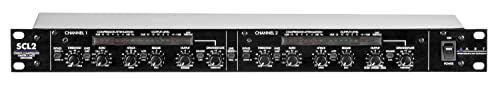
- Dual-channel or linked stereo operation.
- Balanced XLR and TRS inputs for studio setups.
- Auto/manual attack and release with LED metering.
Best For: Stereo or dual-channel compression in rack studios
Inline FET-OPTO Vocal Leveler
Triton Audio Kompressor inline compressor/preamp
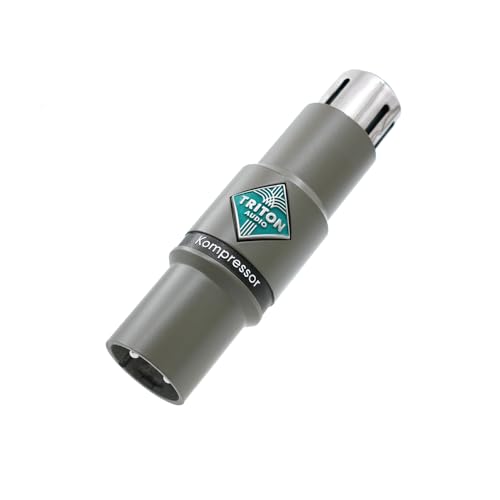
- Adds 25 dB gain for low-output microphones.
- One-knob compression keeps setup simple.
- Blocks phantom power from ribbon mics.
Best For: dynamic and ribbon vocal mics needing clean gain
Tube/Solid-State Dynamics Channel
ART Solo VLA single-channel multi-voice compressor

- Selectable tube or solid-state voicing.
- Optical compression with variable dry/wet blend.
- Switchable +4dBu/-10dBV level modes.
Best For: studio vocal tracking with flexible voicing control
Compact Pedal Dynamics Tool

- Compact Phase 90-sized pedal format.
- Constant Headroom Technology for clean performance.
- Ten LEDs show gain reduction clearly.
Best For: small setups needing a compact pedal compressor
Reference-Class Rack Dynamics
Behringer MDX4600 V2 4-Channel Compressor

- 4-channel rack compressor with expander/gate and limiter
- Dynamic enhancer helps keep compressed audio lively
- Low contour filter reduces pumping from bass-heavy material
Best For: multi-channel studio racks needing vocal compression and noise control
Dual-Channel Vocal Control
Professional Black Dual-Channel Dynamic Processor

- Dual-channel compressor with Overeasy and auto timing
- Classic VCA circuit is aimed at vocal clarity and warmth
- Noise gate, LED metering, and sidechain insert add control
Best For: vocals, streaming, and live setups needing simple rackmount dynamics
Rackmount Vocal Compressor
Professional Dual-Channel Vocal Compressor/Limiter

- Dual-channel rack compressor/limiter with Overeasy dynamics
- Classic VCA design targets vocal clarity, warmth, and presence
- Noise gate, LED metering, and sidechain insert add flexibility
Best For: studio, live, and streaming vocal chains that need rackmount control
Channel Strip – dbx 286s Vocal Preamp & Compressor
If you want a studio compressor for vocals that does more than just control peaks, the dbx 286s is built like a full channel strip. It combines mic preamp duties with compression, de-essing, enhancement, and gating, so you can shape vocal tone and clean up the signal before it hits your mixer or interface.
Best For: Vocal tracking, podcasting, and simple one-box front-end processing.
Pros:
- Includes compression, de-esser, enhancer, and expander/gate in one rack unit.
- Classic dbx compression is designed to bring vocals forward with added clarity and presence.
- Mic preamp with XLR and 1/4-inch inputs plus loop-out for adding more processors.
- Status LEDs help monitor audio levels and processor activity at a glance.
Cons:
- Rack-mount 1U design is less convenient than a desktop unit.
- More of a channel strip than a simple compressor, so it may be more than some users need.
For singers who want practical vocal control and cleanup in a single unit, the dbx 286s is a versatile choice. Its strength is combining useful vocal tools around a proven compressor section rather than offering just one effect.
FET Compressor – Klark Teknik 76-KT Vintage Style
The Klark Teknik 76-KT is a strong option if you want a studio compressor for vocals with a classic fast-acting FET character. It is modeled after the iconic 1176LN revisions and adds a discrete signal path, Class-A output amplifier, and MIDAS transformers for a more traditional rack compressor approach.
Best For: Engineers and vocalists seeking an 1176-style compressor flavor in a rack unit.
Pros:
- 1176LN-inspired FET-style compressor modeled after D and E revisions.
- Completely discrete signal path with Class-A line-level output amplifier.
- Custom-built MIDAS input and output transformers.
- Push-button ratio selection with 4:1, 8:1, 12:1, and 20:1 options.
Cons:
- Focused on compression, so it does not include the extra vocal tools found on channel-strip units.
- Rack-mounted design may be overkill for smaller desktop setups.
This model is best suited to users who want the behavior and workflow of a classic FET compressor rather than a multi-effect vocal processor. It gives you a straightforward way to add vintage-style dynamics control in a studio rack.
Dynamic Effects Processor – dbx 266xs Compressor/Gate Rack Unit
The dbx 266xs is a practical studio compressor for vocals if you want a reliable rack processor with gate and sidechain flexibility. Its Overeasy compression and AutoDynamic attack/release controls are designed for smooth, musical control, while the LED metering makes setup easier in both studio and live situations.
Best For: Studios and performers who need compressor/gate control with flexible routing.
Pros:
- Overeasy compression and AutoDynamic attack/release for smooth operation.
- Sidechain insert helps tighten and clarify crowded mixes.
- Separate LED displays show gain reduction, compression threshold, and gate threshold.
- XLR and 1/4-inch TRS I/O support professional studio and live rigs.
Cons:
- Primarily a rack-mounted dynamics processor rather than a dedicated vocal strip.
- May offer more routing and controls than a basic vocal compressor user needs.
For users who want compression plus gating in one rack unit, the 266xs offers a solid, versatile workflow. It is especially appealing if you want a compressor that can also help manage spill and keep vocals cleaner in a mix.
Stereo Compressor – ART SCL2 Dual Channel Rack Unit
The ART SCL2 is a strong studio compressor for vocals when you need dual-channel or stereo-linked dynamics control in a rack format. With balanced XLR and TRS inputs, selectable auto or manual attack/release, and clear LED metering, it is designed for straightforward control over two channels at once.
Best For: Stereo processing, dual-channel rack setups, and users who want flexible attack/release control.
Pros:
- Dual-channel or linked stereo operation for flexible routing.
- Balanced XLR and 1/4-inch TRS inputs support common studio connections.
- Selectable auto/manual attack and release settings.
- Precise LED level meters make gain staging easier.
Cons:
- Less specialized for vocals than a dedicated vocal channel strip.
- Rack-mount form factor may not suit compact desktop studios.
If you need a compressor that can handle more than a single vocal channel, the SCL2 is built around flexibility. Its stereo and dual-channel options make it a useful tool for broader studio dynamics duties, not just voice processing.
Inline FET-OPTO Vocal Leveler – Triton Audio Kompressor inline compressor/preamp
If you want a studio compressor for vocals that lives right at the mic, the Triton Audio Kompressor is built for simple, source-level control. This compact XLR barrel combines compression and a 25 dB gain boost, making it especially useful for low-output dynamic and ribbon microphones that need extra lift and smoother peaks.
Best For: Vocal recording with dynamic or ribbon mics that need clean gain and easy leveling.
Pros:
- Combines an in-line FET-OPTO compressor with a microphone preamp in one compact unit.
- Provides up to 25 dB of gain for low-output mics like the Shure SM7B.
- Simple one-knob control makes compression quick to dial in.
- Blocks 48V phantom power from reaching ribbon microphones for protection.
Cons:
- Compression is controlled with a single knob, so it offers less fine-tuning than multi-control units.
- Requires 48V phantom power to operate.
For vocal chains that need immediate control and a cleaner signal at the source, this is a practical, compact option. It is less about detailed shaping and more about making recordings more consistent and easier to manage.
Tube/Solid-State Dynamics Channel – ART Solo VLA single-channel multi-voice compressor
The ART Solo VLA is a fuller-featured studio compressor for vocals when you want more control than a simple inline unit can offer. Its single-channel design includes selectable tube or solid-state voicing, optical compression, and a variable blend path that lets you mix compressed and uncompressed signal for more flexible leveling.
Best For: Vocal tracking or processing when you want selectable voicing and parallel-style control.
Pros:
- Selectable MultiVoice tube or solid-state control adds tonal flexibility.
- Optical isolators provide compression in a studio-style signal path.
- Variable blend lets you combine compressed and dry signals.
- Switch-selectable +4dBu/-10dBV modes improve level matching.
Cons:
- Large, rack-style unit with a much bigger footprint than compact compressors.
- Heavier and less portable than inline or pedal-format options.
This is the most feature-rich choice in the group for users who want broader tonal and workflow options. It makes the most sense in a studio rack where flexibility matters more than convenience.
Compact Pedal Dynamics Tool – MXR Studio Compressor pedal
The MXR Studio Compressor is a pedal-format studio compressor for vocals if you need straightforward compression in a small, easy-to-place unit. Built around Constant Headroom Technology and a classic studio compressor design, it focuses on clean performance and visible gain reduction, which makes it easy to monitor how hard you are compressing.
Best For: Vocalists or home studios that want a compact compressor with simple control and clear feedback.
Pros:
- Compact pedal format fits easily into small setups.
- Constant Headroom Technology is designed for clear, clean performance.
- Ten gain-reduction LEDs make compression easy to see.
- true bypass helps preserve the signal when the pedal is off.
Cons:
- Uses 1/4-inch audio hardware, so it is not a direct XLR vocal insert.
- Pedal-style format may be less convenient in traditional studio vocal chains.
For users who want a compact compressor with a familiar stompbox layout, this model keeps things practical. It is best suited to workflows where pedal integration makes more sense than rack or inline processing.
Reference-Class Rack Dynamics – Behringer MDX4600 V2 4-Channel Compressor
If you want a studio compressor for vocals with flexible control over multiple sources, this 4-channel rack unit gives you a lot of processing in one box. Its program-adaptive IKA circuitry, switchable dynamic enhancer, and low contour filter are designed to keep compression useful without making the vocal sound dull or overly pumped.
Best For: Multi-channel studio setups that need vocal compression plus gate/limiting control in a single rack unit.
Pros:
- Switchable dynamic enhancer helps keep audio lively even with heavy compression.
- Low contour filter helps prevent pumping from low-frequency-dominated compression.
- IKA compression combines hard-knee and soft-knee behavior for adaptive response.
- IRC expander/gate circuitry is built for quieter noise suppression.
Cons:
- It is a 4-channel rack processor, so it may be more than a simple single-vocal chain needs.
- Best results will depend on careful setup of the compressor, gate, and filter sections.
Overall, this is the most feature-dense option here if you need a rackmount dynamics tool that can handle vocals and other sources with more advanced shaping. It leans toward flexible studio routing rather than a stripped-down, one-knob vocal solution.
Dual-Channel Vocal Control – Professional Black Dual-Channel Dynamic Processor
This studio compressor for vocals is built for smooth, natural level control across recording, streaming, and live use. With Overeasy compression, auto attack/release, a classic VCA circuit, and a noise gate, it is aimed at keeping vocals clear and controlled without overcomplicating the signal path.
Best For: Vocal tracking, streaming, and live setups that need easy dual-channel compression with gate control.
Pros:
- Dual-channel design gives you independent control over two sources.
- Overeasy compression and auto timing are suited to smooth, natural dynamics.
- Classic VCA circuitry is described as adding vocal warmth and detail.
- LED indicators and noise gate help with setup and background noise reduction.
Cons:
- Its rackmount format may be unnecessary if you only need a simple desktop vocal processor.
- Sidechain features are included, but the unit still calls for hands-on adjustment to dial in results.
As a practical dual-channel processor, this model focuses on clean connectivity and straightforward vocal control. It makes sense when you want a rack unit that can serve vocals first while still covering guitars, drums, and other sources.
Rackmount Vocal Compressor – Professional Dual-Channel Vocal Compressor/Limiter
If you are comparing a studio compressor for vocals, this dual-channel rackmount unit is built around smooth level management and vocal presence. It uses Overeasy compression, adjustable attack and release, a VCA-based design, and a noise gate to help keep vocals controlled and clear in studio, live, or streaming setups.
Best For: Vocalists and creators who want a rackmount compressor/limiter with gate and sidechain tools.
Pros:
- Dual-channel layout supports two sources or a stereo-style setup.
- Classic VCA circuit is intended to improve vocal clarity, warmth, and presence.
- LED metering gives clear gain reduction and gate-threshold feedback.
- Sidechain insert adds frequency-based ducking flexibility.
Cons:
- Like most rack processors, it is better suited to integrated studio or live rigs than minimal portable setups.
- Fine-tuning attack, release, gate, and sidechain behavior may take time.
This model is a strong fit when vocal control is the priority but you still want the extra routing and shaping options of a full rack processor. The combination of gate, metering, and sidechain support makes it adaptable across recording and performance workflows.
How We Picked the Best Studio Compressor for Vocals
We focused on units that make vocal control easier in real studio use: reliable compression behavior, sensible controls, useful dynamics extras like gates or de-essing, and formats that fit different setups. We also favored products that can serve more than one role, especially for home recording, hybrid rigs, and live vocal chains.
Quick Comparison
For a fast shortlist, think in terms of workflow. Channel strips and compact in-line units work well for simple vocal recording chains. Rackmount processors are better when you want repeatable control, stereo flexibility, or integration with outboard gear. Pedal-style compressors can be useful for portable or performance-based setups, while multichannel units suit larger studios and live racks.
Key Buying Factors for a Studio Compressor for Vocals
Compression Character
Different compressors shape vocals differently. FET-style designs tend to feel fast and energetic, while opto and vari-mu-style units usually sound smoother. If you want natural leveling, look for gentler behavior; if you want more presence and density, choose a faster, more assertive design.
Controls and Extra Processing
A strong Studio Compressor for Vocals should give you enough control without making setup frustrating. Attack, release, threshold, and ratio matter most, but extras like de-essing, expansion, gating, sidechain inserts, and output gain can be extremely useful for cleaning up vocal tracks.
Format and Workflow
Consider where the unit will live. A rackmount compressor fits a permanent studio setup, while an in-line preamp/compressor can simplify a compact chain. If you record on the move or want easy portability, smaller formats may be a better match than full rack gear.
Noise, Headroom, and Connectivity
Vocals expose noise quickly, so choose a unit with clean gain staging and enough headroom for peaks. Balanced XLR and TRS connections are valuable in studio environments, and sidechain options can help the compressor respond more musically to plosives or low-end buildup.
Who Should Buy Which Studio Compressor for Vocals?
Home studio users often benefit most from all-in-one channel strips or compact vocal processors because they simplify recording and reduce setup time. Mix engineers and producers who already have a solid preamp may prefer dedicated rack compressors for more control and consistency. Live performers should prioritize speed, durability, and easy recall, while engineers working across multiple sources may want dual-channel or multi-channel units that can handle vocals plus other instruments.
If your main goal is smoother, more mix-ready vocals, focus on a compressor that matches your recording style rather than chasing the most features. The best choice is usually the one you can set quickly, trust on every take, and integrate cleanly into your signal chain.