The best microphone preamps for audiophiles can add clean gain, shape a recording’s character, or solve compatibility problems between microphones and audio interfaces. The right choice depends on your microphone type, desired sound, and studio workflow.
This roundup compares 10 options spanning inline activators, compact tube units, channel strips, and studio-style preamps. Use the guide below to narrow the field by noise performance, connectivity, tone, and practical features.
Best 10 Microphone Preamps for Audiophiles Picks for 2026
Versatile Channel Strip

- Single-channel mic and instrument preamp
- Compression, de-essing, enhancement, and gate
- XLR, TRS, loop-out, and rack-mount design
Best For: Vocal recording and integrated signal processing
Clean Gain Booster

- Adds up to +25 dB of gain
- Uses phantom power without passing it to passive mics
- XLR inline design for ribbons and quiet sources
Best For: Boosting passive microphones before a standard preamp
Warm Class A Preamp

- Single-channel mic, line, and instrument preamp
- Class A amplifier design
- Three-band EQ with warm, punchy profile
Best For: Tone shaping during focused vocal or instrument tracking
Compact Tube Preamplifier

- Single-channel tube microphone preamp
- Also accepts instrument sources
- Stainless-steel construction with two-year warranty
Best For: Simple home recording and instrument front ends
Compact Gain Booster
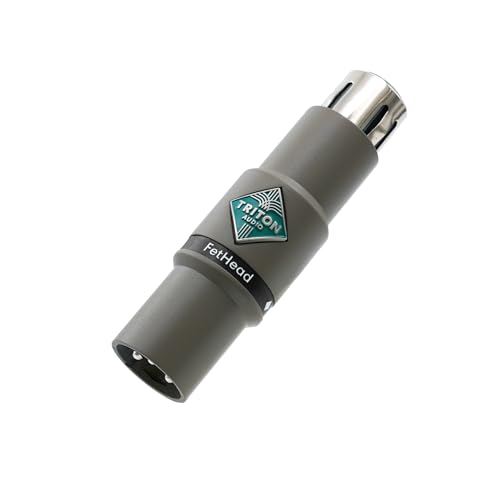
- Low-noise Class-A JFET amplifier
- Shielded, compact in-line design
- Two channels; requires 24V power
Best For: Low-noise in-line microphone gain in compact setups
Tube Tone Control

- Tube-based warm sound profile
- Variable input impedance and valve voicing
- Metering and instrument/mic switching
Best For: Warm, adjustable preamp tone for microphones and instruments
Classic Warmth
Warm Audio WA73 Microphone Preamp

- Warm, full-bodied sound profile
- Mic, line, and instrument support
- Balanced output with metal enclosure
Best For: Single-channel warm preamplification across multiple sources
Classic Tone

- 80dB mic gain with LED output metering
- Warm, rich, full-bodied sound profile
- Switchable impedance, phantom power, and DI
Best For: Warm-toned vocal, instrument, and DI recording
Character Control

- Variable character for flexible tonal shaping
- Discrete op-amp section with Cinemag transformers
- Selectable capacitors and highpass filter
Best For: Studios seeking adjustable microphone and instrument tone
Low-Noise Utility

- 19–66dB gain with stated -120dBV EIN
- Supports dynamic, condenser, ribbon, and instrument sources
- XLR/TRS/TS outputs with Type-C power
Best For: Portable, budget-conscious low-noise recording
Versatile Channel Strip – dbx 286s
The dbx 286s is a practical choice for audiophiles who want microphone preamps for audiophiles with built-in signal shaping. Its single-channel design combines microphone and instrument preamplification with compression, de-essing, enhancement, and expander/gate controls.
Best For: Vocal recording, spoken-word work, home studios, and setups needing integrated dynamics and tone processing.
Pros:
- Combines preamp, compressor, de-esser, enhancer, and expander/gate functions.
- Accepts XLR microphone and balanced or unbalanced 1/4-inch line/instrument inputs.
- Includes loop-out connectivity, status LEDs, and a rack-mountable 1U chassis.
Cons:
- Its extensive processing may be more than needed for a simple, transparent preamp setup.
- Single-channel operation limits simultaneous microphone processing.
The dbx 286s stands out when flexibility matters more than minimalist signal routing. It is especially useful for shaping vocals and other sources before they reach the rest of the recording chain.
Clean Gain Booster – Cloudlifter CL-1
The Cloudlifter CL-1 is a focused option for microphone preamps for audiophiles who need more clean signal from a quiet passive microphone. It uses phantom power to provide up to +25 dB of gain without passing phantom power to the microphone itself.
Best For: Passive ribbon microphones, quiet vocals, podcasts, streaming, voiceover, and recording setups with standard phantom-powered microphone inputs.
Pros:
- Provides up to +25 dB of stated ultra-clean microphone gain.
- Designed to preserve the microphone’s natural sound while strengthening the signal.
- Compatible with passive ribbons and tube, battery, or power-supply-driven microphones.
Cons:
- It is a gain activator rather than a complete microphone preamp with tone controls.
- Requires standard +48V phantom power from the connected microphone input.
The CL-1 is best viewed as a front-end gain solution for microphones that need additional level. Pair it with an existing preamp when you want stronger signal without adding onboard compression or equalization.
Warm Class A Preamp – Warm Audio WA73-EQ
The Warm Audio WA73-EQ is a single-channel choice for microphone preamps for audiophiles seeking a warm, punchy sound profile with tone-shaping flexibility. It supports microphone, line, and instrument sources and includes a three-band EQ.
Best For: Engineers and musicians who want one Class A channel for recording microphones, instruments, or line-level sources with onboard equalization.
Pros:
- Provides microphone, line, and instrument preamplification in one channel.
- Uses a Class A amplifier design.
- Includes a three-band EQ for source shaping during recording.
Cons:
- Only one output channel is provided.
- The listed warm and punchy profile may not suit listeners seeking a strictly neutral presentation.
The WA73-EQ is a strong fit when preamplification and equalization need to happen in the same hardware unit. Its single-channel format makes it more appropriate for focused tracking or a compact front-end chain.
Compact Tube Preamplifier – ART Tube MP
The ART Tube MP is a straightforward single-channel tube microphone and instrument preamplifier for audiophiles who want a compact front-end unit. Its simple design focuses on preamplification rather than a larger collection of built-in processing features.
Best For: Home recording setups needing a dedicated single-channel tube preamp for microphones or instruments.
Pros:
- Supports both microphone and instrument sources.
- Uses a tube-based preamplifier design.
- Compact, durable stainless-steel construction and a listed two-year warranty.
Cons:
- Supplied notes do not specify onboard EQ, compression, or other additional processing.
- Single-channel operation limits multi-source recording.
The Tube MP makes sense for buyers who prefer a simple tube preamp instead of an all-in-one channel strip. It can serve as a dedicated first-stage unit for a microphone or instrument recording chain.
Compact Gain Booster – Triton Audio FetHead
For audiophiles seeking microphone preamps for audiophiles setups with limited available gain, the Triton Audio FetHead is a compact in-line option. Its low-noise Class-A JFET amplifier, double single-ended topology, and shielded enclosure are designed for a focused, low-noise signal path.
Best For: Audiophiles who want a small in-line microphone preamp with low-noise Class-A amplification.
Pros:
- Low-noise Class-A JFET amplifier design
- Double single-ended amplifier topology
- Shielded enclosure helps support a clean signal path
- Compact 2.72-ounce form factor
Cons:
- Provides two channels rather than a single-channel desktop preamp format
- Requires 24-volt power
The FetHead is best viewed as a space-saving gain solution rather than a full-featured studio preamp. Its compact construction and low-noise JFET architecture make it a practical choice when simplicity and portability matter.
Tube Tone Control – ART TPS II Tube Preamplifier
The ART TPS II is a versatile choice among microphone preamps for audiophiles who want tube-based warmth and hands-on control. It offers variable input impedance, Variable Valve Voicing, metering, and automatic switching between instrument and microphone preamp modes.
Best For: Audiophiles and musicians who want a warm tube preamp with flexible input control and instrument compatibility.
Pros:
- Tube amplifier design with a warm sound profile
- Variable input impedance and Variable Valve Voicing
- LED input and analog output metering
- Wide 5 Hz–50 kHz frequency response
Cons:
- Single output channel
- Large 19-inch-wide chassis
- Corded-electric power source limits placement flexibility
With its tube architecture, impedance options, and instrument/microphone flexibility, the TPS II is suited to listeners who want to shape character rather than pursue a strictly minimal signal path. Its rack-style size should be considered before purchase.
Classic Warmth – Warm Audio WA73 Microphone Preamp
The Warm Audio WA73 is a single-channel option for microphone preamps for audiophiles who prefer a warm, full-bodied presentation. It supports mic, line, and instrument sources, with balanced line-level output and XLR, 1/4-inch, and IEC connections.
Best For: Audiophiles and recording setups that need one warm-sounding preamp channel for microphones, instruments, or line-level sources.
Pros:
- Warm, full-bodied sound profile
- Supports microphone, line, and instrument signals
- Balanced line-level output
- Metal enclosure and two-year limited warranty
Cons:
- Limited to one output channel
- Requires corded-electric power
The WA73 makes sense for buyers prioritizing tonal character and source flexibility in a single channel. Its straightforward feature set keeps the focus on warm sound and broad connectivity rather than multi-channel expansion.
Classic Tone – Pre-73 MKIII Mic Line Preamp
For audiophiles seeking microphone preamps for audiophiles with a warm, vintage-inspired character, the Pre-73 MKIII combines up to 80dB of mic gain with practical studio connectivity. Its single-channel design includes mic and line operation, switchable impedance, phantom power, and a DI input.
Best For: Vocal, instrument, and DI recording where a warm, rich, full-bodied sound profile is desirable.
Pros:
- Up to 80dB of microphone gain
- Warm, rich, full-bodied sound profile
- Switchable impedance, phantom power, and DI connectivity
- LED output-level meter for monitoring
Cons:
- Single-channel design limits simultaneous microphone inputs
- Corded-electric power reduces portability
The Pre-73 MKIII is a focused choice for listeners and recordists who value tonal fullness and classic preamp features over multichannel flexibility. Its solid-state construction and included metering make it well suited to a dedicated recording setup.
Character Control – Warm Audio TB12 Tone Beast
The Warm Audio TB12 Tone Beast is a strong option among microphone preamps for audiophiles who want hands-on control over recording color. Its discrete op-amp section, Cinemag transformers, selectable capacitors, variable character, and highpass filter support flexible tone shaping for microphones and instruments.
Best For: Home and project studios that want adjustable preamp character for mic or instrument sources.
Pros:
- Variable character controls for tonal flexibility
- Discrete op-amp section and Cinemag transformers
- Selectable capacitors for additional sound shaping
- Highpass filter for practical source control
Cons:
- Single preamp unit rather than a multichannel solution
- Requires corded-electric power
Choose the TB12 when adjustable coloration is more important than a fixed sonic signature. The combination of transformer-based circuitry and selectable tone controls gives it a versatile role in a compact recording rig.
Low-Noise Utility – RO03 Mic Preamp
For microphone preamps for audiophiles prioritizing a clean, practical signal path, the upgraded RO03 offers 19–66dB of usable gain and a stated -120dBV EIN. It accepts dynamic, condenser, ribbon, and instrument sources, while Type-C power and multiple output formats make it adaptable to recording and mobile setups.
Best For: Budget-conscious vocal and instrument recording where low noise, portability, and broad connection options matter.
Pros:
- 19–66dB variable gain range designed for practical use
- Stated -120dBV EIN and 120dB signal-to-noise ratio
- 1MΩ instrument input impedance for DI use
- XLR, TRS, and TS outputs with Type-C power input
Cons:
- Mic and instrument inputs cannot operate simultaneously
- Lowest-noise operation depends on connecting to an interface’s TRS line input as recommended
- Single-channel design
The RO03 emphasizes measurable noise performance and connection flexibility rather than vintage coloration. It is particularly appealing for users who need a compact preamp for both microphones and instruments, provided they follow the recommended TRS line-input setup.
How We Picked the Best Microphone Preamps for Audiophiles
We focused on preamps that cover the main needs of serious home-recording and project-studio users: strong gain, low noise, useful impedance and connection options, dependable construction, and meaningful tonal control. The selection includes clean inline boosters for low-output dynamic and ribbon microphones, transformer-based models for color, tube designs for harmonic warmth, and channel strips that combine preamp gain with dynamics or EQ.
We also considered versatility. A preamp may sound excellent but be less useful if it cannot provide phantom power safely, accommodate your microphone’s output level, or integrate cleanly with an interface. Product specifications and intended use matter as much as price.
Quick Comparison
- Inline gain boosters: Cloudlifter CL-1 and Triton Audio FetHead are compact solutions for microphones that need more clean gain.
- Budget tube options: ART Tube MP and ART TPS II provide tube-based coloration and flexible studio features at accessible prices.
- Vintage-inspired preamps: Warm Audio WA73, WA73-EQ, and Pre-73 MKIII emphasize transformer-based tone associated with classic console circuits.
- Flexible tone shaping: Warm Audio TB12 offers selectable voicing and impedance choices for more control over character.
- Channel-strip processing: The dbx DBX286SV combines microphone preamplification with compression, de-essing, enhancement, and gating.
- Value-focused modern gain: The RO03 emphasizes high gain and low claimed noise for dynamic, condenser, ribbon, and instrument sources.
Key Buying Factors for Microphone Preamps for Audiophiles
Gain and Noise Performance
Check how much gain your microphone actually needs. Low-output passive ribbons and some dynamic microphones may benefit from 60 dB or more, while condenser microphones often need considerably less. High gain is only useful when the preamp remains quiet; pay attention to equivalent input noise and real-world user reports.
Color Versus Transparency
Transformer and tube circuits can add saturation, thickness, or harmonic detail, while cleaner designs aim to preserve the source. Choose a colored preamp if you want tone during tracking; choose a transparent unit when you prefer shaping later in the mix.
Phantom Power and Microphone Compatibility
Condenser microphones require 48V phantom power, but passive ribbon microphones need careful handling. Inline boosters typically draw phantom power from the interface and pass it to compatible microphones, so verify the manufacturer’s wiring and safety guidance before connecting a ribbon.
Features and Connections
Consider whether you need instrument input, EQ, compression, de-essing, a high-pass filter, variable impedance, or multiple channels. A simple preamp may offer the cleanest workflow, while a channel strip can reduce the need for additional plug-ins or hardware.
Who Should Buy Which Microphone Preamps for Audiophiles?
Choose an inline booster if your interface lacks enough clean gain for a dynamic or passive ribbon microphone. Choose a tube preamp if you want affordable warmth and harmonic character. Choose a 73-style preamp for classic transformer color on vocals, guitars, and microphones that benefit from added body. Choose a tone-shaping unit if you record varied sources and want impedance or voicing options. Choose the DBX286SV if you want recording-focused processing in one channel strip. For the quietest, most adaptable setup, prioritize measured noise performance, sufficient gain, and reliable interface compatibility over feature count alone.