Finding the right multi-effects unit can save you money, simplify your setup, and open up a wider range of tones than a board full of single pedals.
This roundup focuses on guitar effects processors under 500 that balance sound quality, features, and ease of use for practice, recording, and performance.
Best 10 Guitar Effects Processors Under 500 Picks for 2026
Portable All-Rounder
VALETON GP-200 Multi-Effects Pedal

- 240+ effects plus 140 amp/cab sims
- USB-C audio interface with stereo streaming
- 11 effect blocks, looper, and 256 presets
Best For: Players who want a feature-packed multi-effects unit with amp modeling and wide connectivity
Smart Practice Choice
MOOER GE100Pro Multi-Effects Pedal

- AI tone assistant and app-based editing
- 3.5-inch color display with Bluetooth and USB-C
- 80-second looper plus drum rhythms
Best For: Players who want a modern, app-connected multi-effects pedal with practice and tone-shaping tools
Hands-On Favorite
BOSS ME-90 Multi-Effects Processor
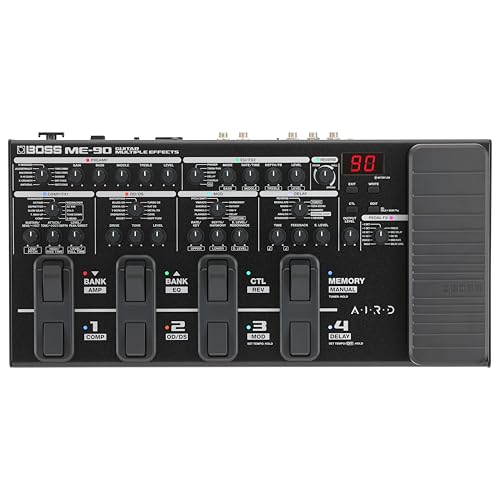
- Knob-based interface with 8 footswitches
- 11 AIRD amp models and 60 effects
- Battery-powered with Tone Studio editing
Best For: Guitarists who want an intuitive, hands-on multi-effects processor with strong BOSS tones
Pocket-Friendly Modeler

- 100+ effects, 20 amp models, and 100 presets
- Supports third-party IRs and NAM A2 files
- Rechargeable battery plus USB audio interface
Best For: Travel-friendly players who want a compact all-in-one modeler
Hands-On Practice Pedal
MOOER GE100 Multi-Effects Guitar Pedal

- 80 preset patches and 80 user patches
- 66 effect types with assignable expression control
- 180-second looper and drum machine built in
Best For: Beginners and practice players who want an easy multi-effects setup
Modern Amp-Modeling Hub
Valeton GP-50 Multi-Effects Processor
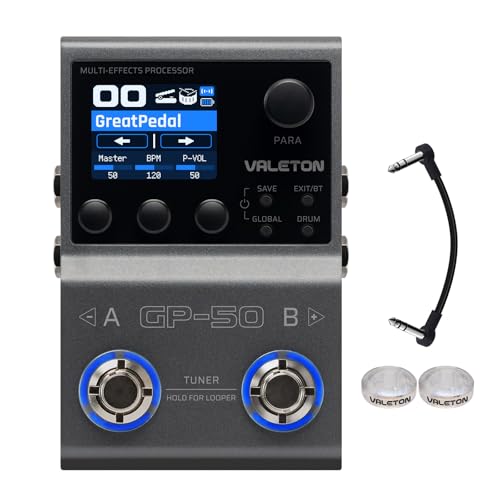
- Over 100 HD effects with 9 simultaneous modules
- NAM and IR loading with app-based editing
- USB audio, USB MIDI, and rechargeable battery
Best For: Players who want modern modeling features in a compact unit
Starter Looper Pick
Zoom G1X Four multi-effects processor with expression pedal

- 71 effects and 13 amp models
- 30-second looper and 68 rhythms
- Battery-powered with USB editing
Best For: Practice players and beginners who want looping plus versatile tones
Pocket Studio Choice
LEKATO multi-effects pedal with app control

- 125 effects with amp and cab sims
- USB audio interface and OTG recording
- Rechargeable with Bluetooth editing
Best For: Portable players who want app control and recording features
Performance Flex Pick
MOOER GE150 Pro feature-rich multi effects processor

- 200 presets and 170 effects
- Four footswitches plus expression pedal
- 80-second looper and USB OTG recording
Best For: Players who want strong live control and deep preset variety
Portable All-Rounder – VALETON GP-200 Multi-Effects Pedal
Valeton GP-200 Multi-Effects Processor for Guitar & Bass, Expression Pedal, MIDI, USB Interface
Check Price On AmazonIf you want guitar effects processors under 500 that cover a lot of ground, the VALETON GP-200 is built for exactly that kind of job. It combines a large effects library, amp and cab modeling, IR support, and a flexible signal chain, so it can handle practice, recording, and live setups without feeling limited.
Best For: Players who want a feature-packed multi-effects unit with amp modeling, IR loading, and broad connectivity.
Pros:
- 240+ built-in guitar, bass, and acoustic effects with 140 amp and cab simulations
- Adjustable signal chain with up to 11 simultaneous effect blocks
- USB-C audio interface support with stereo streaming, plus MIDI and FX loop connectivity
- Built-in looper, drum rhythms, and 256 presets for practice and performance
Cons:
- Large feature set may be more than a simple plug-and-play player needs
- Relies on hardware/software editing for deeper preset management
For players who want maximum versatility in one floor unit, the GP-200 stands out as a practical all-in-one option. Its mix of modeling, routing, and recording features makes it a strong choice when you want one processor to cover many roles.
Ultra-Portable Pick – BOSS GX-1 Ultra-Portable Processor
Among guitar effects processors under 500, the BOSS GX-1 is a strong pick if portability matters as much as tone. It packs BOSS amp and effects content into a compact body, while keeping the interface straightforward enough for beginners who want quick access to usable sounds.
Best For: Beginner and casual players who want a compact BOSS processor with easy operation and strong core tones.
Pros:
- Ultra-portable design that fits easily in a guitar case or bag
- 23 amp types and over 140 BOSS effects
- AIRD engine with 24-bit AD, 32-bit DA, and 32-bit floating-point processing
- Color display, category buttons, 99 preset memories, and 99 user memories
Cons:
- Fewer control and routing features than larger floor processors
- Designed for simplicity, so deep editing is less front-and-center
If you want something small without giving up the BOSS sound, the GX-1 hits a useful middle ground. It is especially appealing for players who value fast setup, portable power options, and a clean learning curve.
Smart Practice Choice – MOOER GE100Pro Multi-Effects Pedal
The MOOER GE100Pro is a smart option if you are shopping for guitar effects processors under 500 and want modern practice tools alongside modeling. With its AI tone assistant, mobile and desktop editing, and support for expanded tone files, it is aimed at players who like to tweak, learn, and record from a connected setup.
Best For: Players who want a modern, app-connected multi-effects pedal with practice and tone-shaping tools.
Pros:
- Built-in AI tone assistant for easier sound creation
- 3.5-inch color display, RGB lighting, Bluetooth audio input, and Type-C connectivity
- Supports mobile and desktop editing through MOOER Cloud
- 80-second stereo looper, 40 drum rhythms, and expression pedal for practice use
Cons:
- Feature-rich design may feel busy if you want a very simple pedal
- Best fit depends on using the app and software ecosystem
The GE100Pro focuses on modern convenience as much as effects coverage. If you want a pedal that supports editing, tone sharing, and practice tools in one unit, this one brings a lot to the table.
Hands-On Favorite – BOSS ME-90 Multi-Effects Processor
BOSS ME-90 Guitar Multi-Effects Guitar Processor | All-In-One Guitar Processor
Check Price On AmazonThe BOSS ME-90 is a practical choice for guitar players who want guitar effects processors under 500 with familiar stompbox-style control and trusted BOSS tone. It combines AIRD amp models, an effects loop, and a broad effects library in a format that is easy to dial in quickly on stage or at home.
Best For: Guitarists who want an intuitive, hands-on multi-effects processor with strong BOSS tones and easy editing.
Pros:
- Knob-based interface makes sound creation fast and intuitive
- Eleven AIRD amp models and 60 effects from the GT-1000 family
- Eight multi-function footswitches and a redesigned expression pedal
- Battery-powered design with patch memory and Tone Studio software support
Cons:
- Less compact than ultra-portable processors
- Optional Bluetooth control requires an extra adaptor
If you prefer a processor that feels immediate instead of menu-heavy, the ME-90 is a standout. It delivers a balanced mix of usability, amp modeling, and performance control for players who want dependable results fast.
Pocket-Friendly Modeler – SONICAKE QME-10 Pocket Master
If you want guitar effects processors under 500 that stay genuinely portable, the SONICAKE QME-10 Pocket Master is built around mobility and broad feature coverage. It packs 100+ effects, amp modeling, third-party IR support, NAM A2 file support, and a rechargeable battery into a pocket-sized unit that can also serve as a USB audio interface for quick recording or practice.
Best For: Guitarists who want a compact all-in-one processor for practice, editing, and travel-friendly recording.
Pros:
- 100+ built-in guitar, bass, and acoustic effects with 20 amp models
- Supports third-party IRs and NAM A2 files for deeper tone shaping
- Built-in looper, 99 drum rhythms, and 100 presets for practice and songwriting
- USB audio interface with OTG support and app-based editing
Cons:
- Only 90 days of warranty coverage
- Small pocket format may not suit players who want large hands-on controls
Overall, the QME-10 is a strong budget-minded option if you value portability, digital flexibility, and modern features like IR and NAM support. It looks especially useful for players who want one compact box to cover tones, practice tools, and simple recording tasks.
Hands-On Practice Pedal – MOOER GE100 Multi-Effects Guitar Pedal
Among guitar effects processors under 500, the MOOER GE100 stands out for players who want a straightforward multi-effects unit with built-in practice tools. It offers 80 preset patches, 80 user patches, 66 effect types, an assignable expression pedal, a 180-second looper, and a drum machine, making it practical for learning, writing, and dialing in tones without a computer.
Best For: Beginners and practice-focused players who want easy tone saving, expression control, and built-in rhythm tools.
Pros:
- 80 preset patches plus 80 user patches for easy sound storage
- 66 effect types across 8 effect modules
- Assignable expression pedal adds flexible real-time control
- 180-second looper and drum machine support practice and songwriting
Cons:
- Uses analog signal format, which may not appeal to players seeking newer digital modelers
- Fewer advanced connectivity features than some modern processors
The GE100 is a sensible choice if you want a practical, learning-friendly processor with enough effects to cover everyday playing. Its combination of patch memory, expression control, and built-in rhythms makes it especially useful for home practice and simple live setups.
Modern Amp-Modeling Hub – Valeton GP-50 Multi-Effects Processor
If you’re shopping for guitar effects processors under 500 and want a more modern feature set, the Valeton GP-50 is built around NAM and IR loading, app control, and flexible routing. It includes over 100 HD effects, supports up to 9 simultaneous modules, and stores both third-party cabinet IRs and NAM files, making it a strong fit for players who like to build detailed tone chains.
Best For: Players who want app-based editing, NAM/IR support, and a compact processor for guitar or bass.
Pros:
- Over 100 HD effects with up to 9 modules active at once
- Supports 20 third-party cabinet IRs and up to 80 NAM files
- BT 5.0 app control plus USB audio and USB MIDI connectivity
- Built-in rechargeable battery and compact metal casing for portability
Cons:
- Only 100 patch slots, which may be limiting for very large tone libraries
- Some features depend on app or external controller use for the fullest experience
The GP-50 is the most feature-forward option here, especially if you care about NAM loading, wireless editing, and recording-friendly connections. It should appeal to players who want a compact processor that can cover modern tone-shaping workflows without taking up much pedalboard space.
Starter Looper Pick – Zoom G1X Four multi-effects processor with expression pedal
If you want guitar effects processors under 500 that are easy to use for practice, writing, and everyday tone shaping, the Zoom G1X Four is a practical pick. It gives you 71 built-in effects, 13 amp models, a 30-second looper, and 68 rhythm patterns, so you can cover clean sounds, high-gain tones, and backing-track-style practice from one compact unit.
Best For: Players who want an affordable all-in-one processor for practice, looping, and tone exploration.
Pros:
- 71 effects and 13 amp models for broad tone variety
- 30-second looper supports songwriting and solo practice
- 68 rhythm patterns make practice sessions more engaging
- Aux input, headphone use, and USB editing add flexibility
Cons:
- Built around practical features rather than deep pro-level control
- Looper is limited to 30 seconds
- Best tone tweaking depends on Zoom Guitar Lab software
This is a strong entry-level choice if you want a simple multi-effects floor unit with enough sounds to keep practice fresh. The expression pedal and battery-powered design add convenience, while the software editor gives you room to build patches as your needs grow.
Pocket Studio Choice – LEKATO multi-effects pedal with app control
Among guitar effects processors under 500, the LEKATO multi-effects pedal stands out if you want a compact, rechargeable unit with modern editing and recording tools. It packs 125 effects, amp and cab modeling, a 40-second looper, 100 drum rhythms, and USB audio interface support, making it useful for home practice, studio work, and grab-and-go gigs.
Best For: Players who want a compact processor with app editing, USB recording, and lots of tone options.
Pros:
- 125 effects, 99 presets, and 8 effect modules for wide tone coverage
- USB audio interface with ASIO low-latency recording support
- 40-second looper and 100 drum rhythms for practice and writing
- Rechargeable 1500mAh battery and Bluetooth app control add convenience
Cons:
- Compact format may feel limited if you want a large floorboard layout
- Only 4 hours of battery life is specified
- Preset and parameter management leans on the app for the full experience
For players who value portability and connectivity, this is an especially capable small-format processor. The combination of NAM and IR support, OTG recording, and dual-mode Bluetooth makes it a flexible practice and recording companion.
Performance Flex Pick – MOOER GE150 Pro feature-rich multi effects processor
If you’re comparing guitar effects processors under 500 and want a more performance-focused floor unit, the MOOER GE150 Pro brings a lot to the table. It offers 200 factory presets, 170 effects, 55 amp models, 26 cab sims, four multi-purpose footswitches, an expression pedal, and an 80-second stereo looper, giving you broad sound design and live control in one compact processor.
Best For: Guitarists who want flexible foot control, preset browsing, and a feature-rich live rig.
Pros:
- 200 presets and 170 effects provide a deep sound library
- Four footswitches improve control during performance
- 80-second stereo looper and built-in drum rhythms support practice
- USB OTG recording and tone editing add modern workflow options
Cons:
- More advanced control layout may be overkill for simple practice use
- Standard version is mains-powered, so battery use depends on the Li model
- Larger footprint than more minimal compact processors
This is the best fit if you want a processor that feels ready for both rehearsal and live use. The combination of footswitch control, expression mapping, and sample support makes it especially appealing for players who want more hands-on flexibility.
How We Picked the Best Guitar Effects Processors Under 500
We looked for processors that deliver strong core sounds, practical editing tools, and enough connectivity to fit modern guitar setups. Priority went to units with usable amp and cab modeling, solid preset management, USB audio support, expression or foot control where available, and features that help players move from bedroom practice to live use without replacing the unit.
We also favored products that offer good value across different player types. Some buyers need a compact travel-friendly processor, while others want deeper routing, IR loading, or more advanced tone shaping. The best picks in this category should make it easy to build tones quickly without forcing you into a steep learning curve.
Quick Comparison
In this price range, the main tradeoff is usually between simplicity and depth. Smaller units tend to be easier to use and carry, while larger processors often give you more effects, better editing, and extra routing options like USB recording, stereo output, MIDI, or an FX loop. If you want a fast setup for home practice, a simpler model may be enough. If you plan to gig or record, look harder at amp modeling quality, cab simulation, and patch organization.
Key Buying Factors for Guitar Effects Processors Under 500
Sound Engine and Modeling
Look for a processor with convincing amp models, usable drive tones, and effects that sound natural at both low and high volume. If you rely on direct recording or headphones, cab simulation and IR support matter a lot.
Ease of Editing
A clear screen, intuitive menus, and fast preset switching can make a huge difference. If you do not want to spend hours programming, prioritize models with straightforward controls and helpful app support.
Connectivity
USB audio, stereo outs, MIDI, headphone jacks, expression pedal support, and FX loop options expand how you can use the unit. For many players comparing Guitar Effects Processors Under 500, connectivity is the deciding factor between a practice tool and a true all-in-one rig.
Preset Memory and Routing
More memory is useful if you play multiple styles or need separate tones for songs. Also check how many blocks can run at once, since that determines how complex your patches can be.
Portability and Foot Control
If you travel or rehearse often, size and weight matter. A compact unit is easier to carry, while a larger processor may offer better live control and easier stage navigation.
Who Should Buy Which Guitar Effects Processors Under 500?
Beginner players often do best with a simpler processor that offers strong core tones and easy preset handling. Home users and recording players may prefer models with USB audio and amp/cab modeling. Gigging guitarists should lean toward units with better foot control, expression support, and flexible routing. If you want the most versatility for the money, choose the model that best matches your workflow, not just the longest feature list.